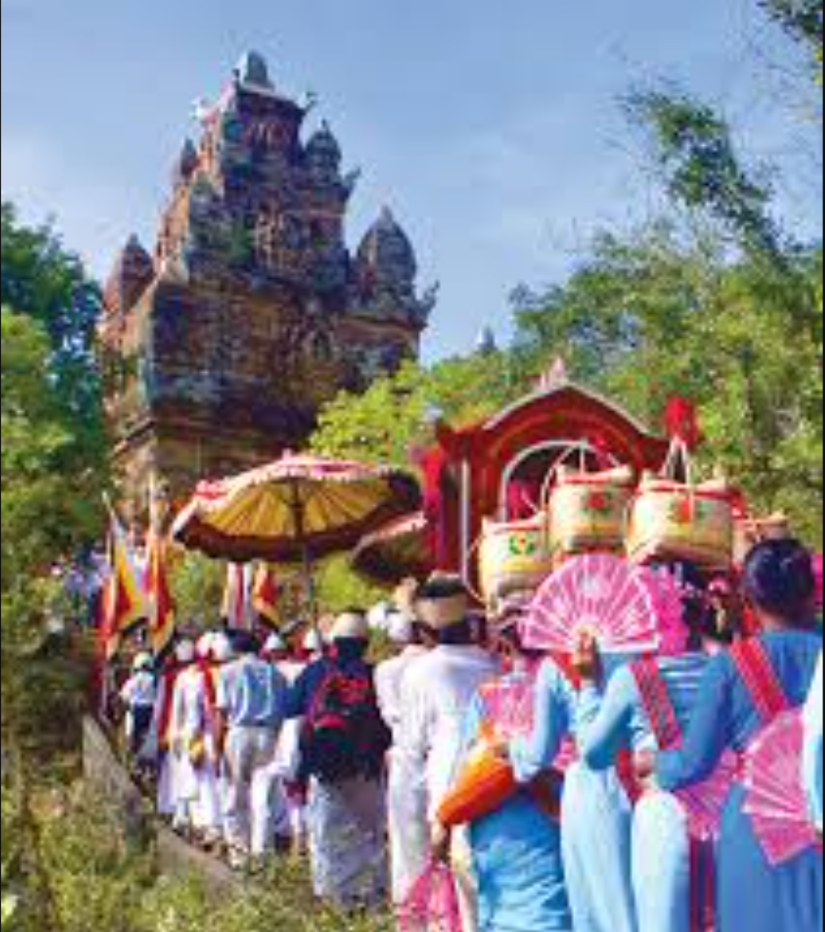
Vietnam’s Vedic Champa Civilization – Builders of cities named Indrapura, Simhapura, Amaravati, Vijaya and Panduranga. These people and their culture continue to flourish to this day. Thus when we speak of the Champa people, it is not a mere trek through history; rather we are speaking of a living culture with roots going back thousands of years.
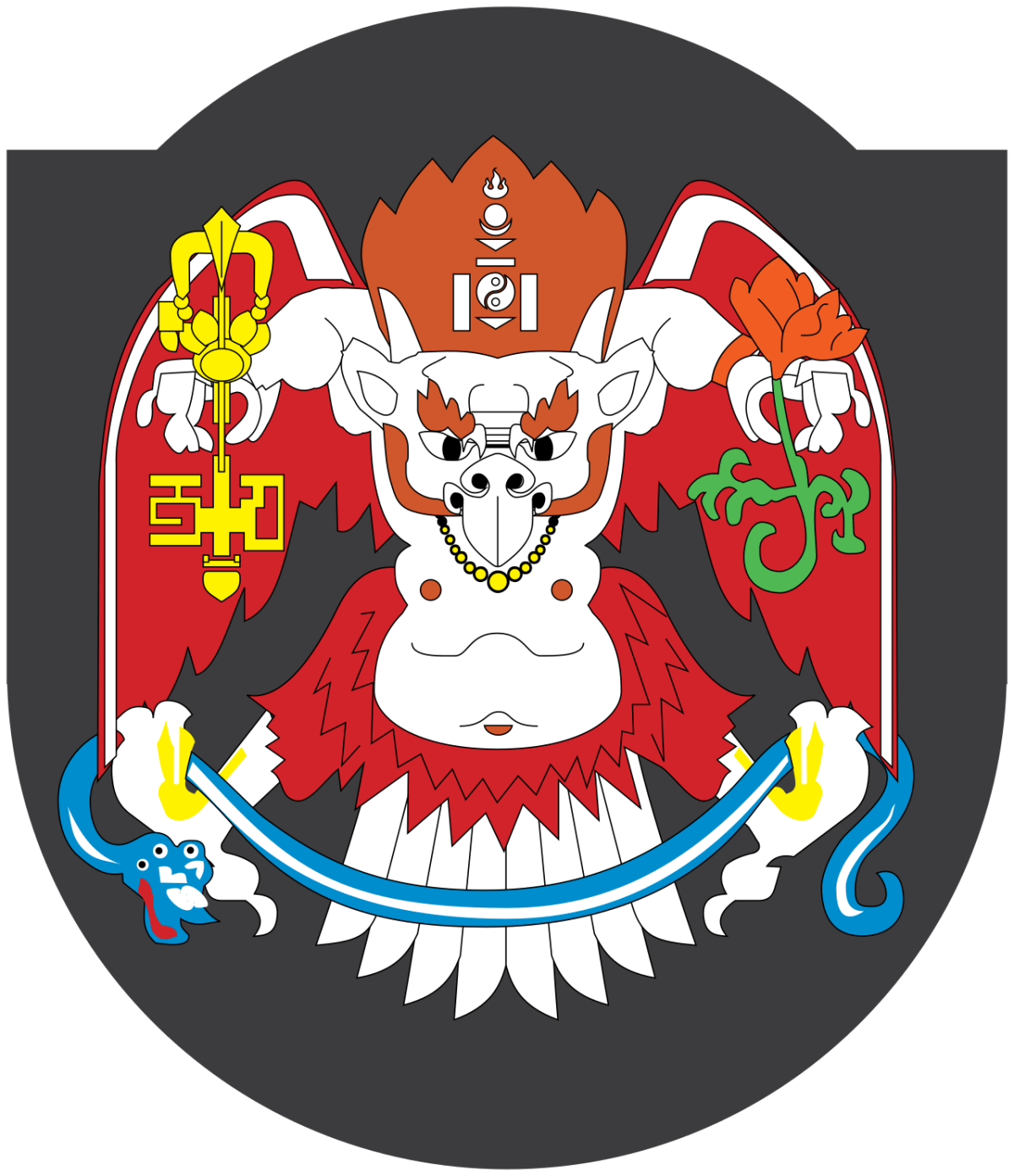
Garuda adorns the Official Flag of the Mongolian Capital City Ulan Bator
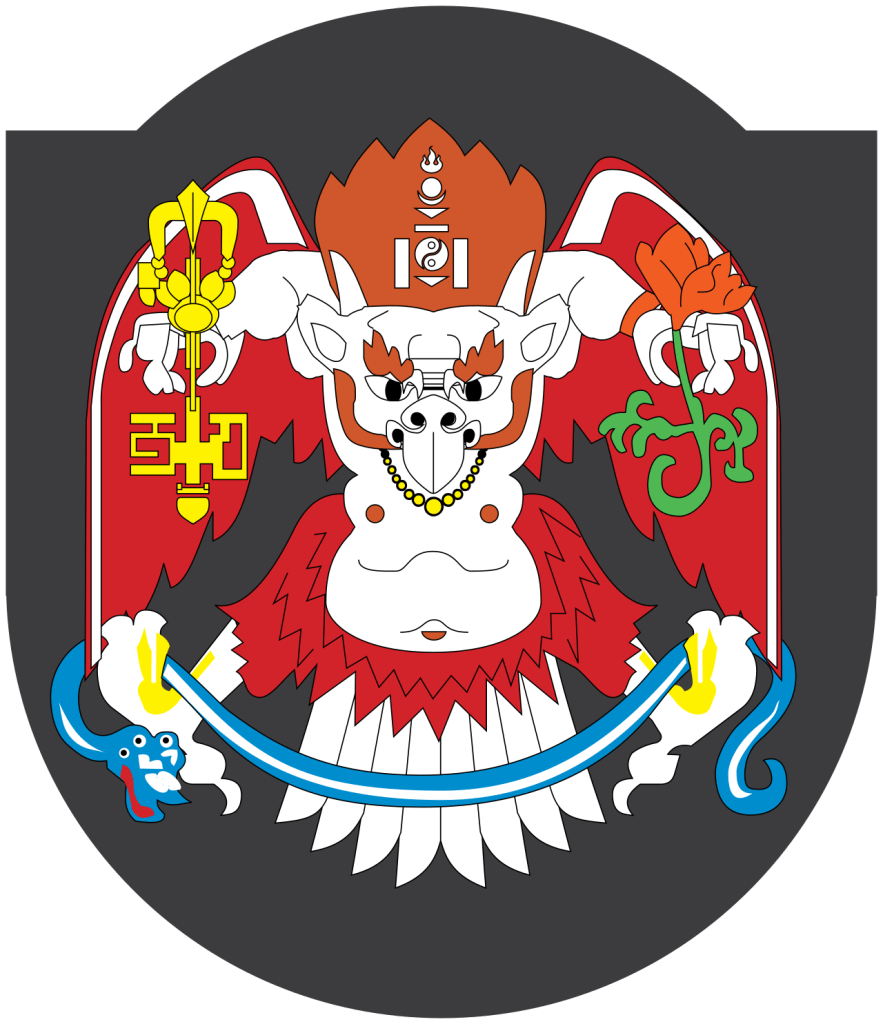
Mongolian Garid, also known as Khangarid or Khan Garuda, is the Vedic Garuda, the Divine Eagle of Vishnu. Mongolian traditions associate Garuda with prowess, vitality, good fortune, victory and the triumph of goodness.
Genghis Khan’s pet Eagle/Falcon, Garid, often rode up on his arm. For him it “…was better and surer than any arrow, because it could fly up into the skies and see everything that a human being could not.”
Garuda adorns the Official Emblem of the Mongolian Capital City Ulan Bator
Mongolian Soccer Team Garuda Logo
Khangarid is a Mongolian professional football club from Erdenet, competing in the Mongolian National Premier League.
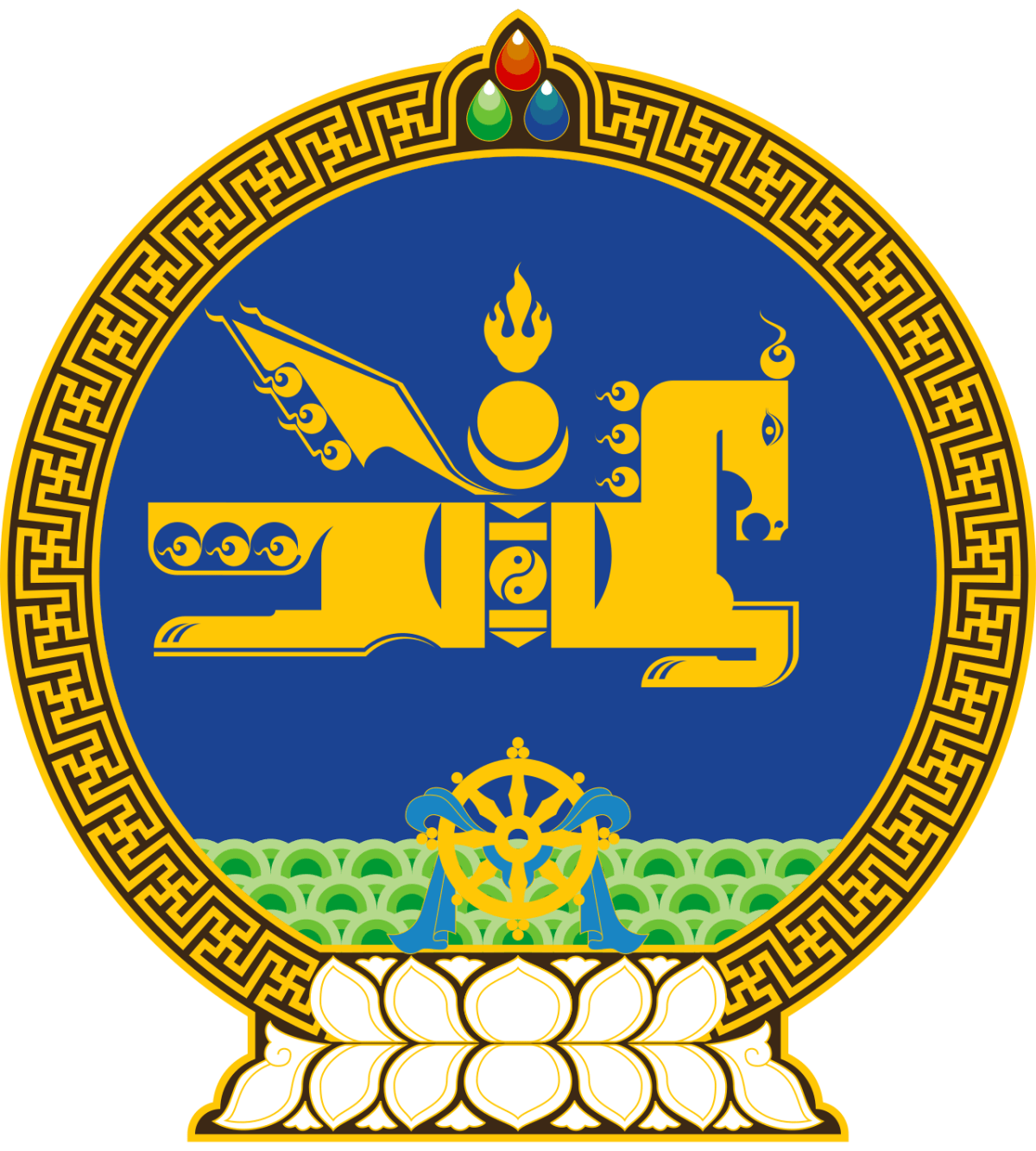
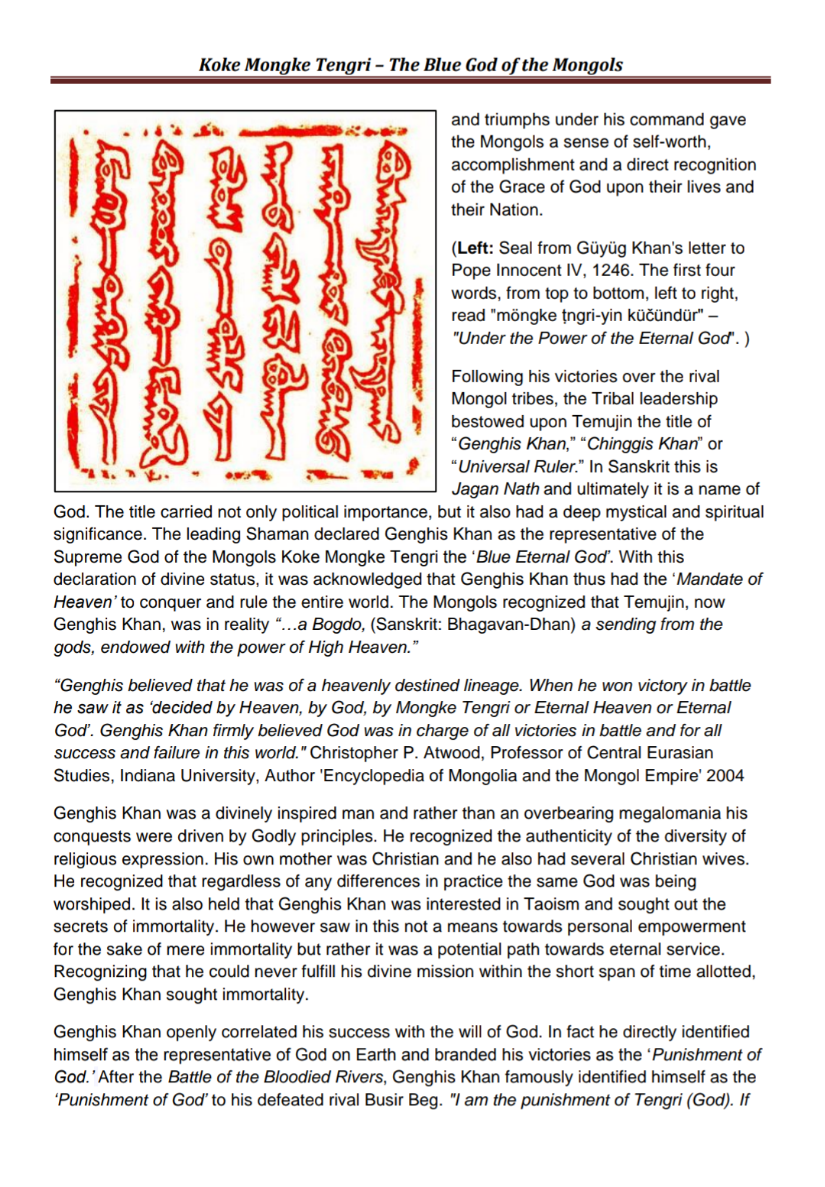
The state emblem of Mongolia was adopted on March 25, 1992,after the fall of the Communist government. It features a Blue Disk (Neela Chakra) encircled by interconnected Swastikas. Known as Tumen Nasan, the Swastikas represent Eternity or Ananta ‘the Un-ending’. This is Ananta Shesha who supports and encircles Vishnu and it is the very same Sacred Cobra encircling the Disc of the ancient Egyptians. The State emblem also includes 3 Chintamani (Wish-fulfilling) Stones and a Buddha Dharma Wheel resting upon a Lotus Flower.
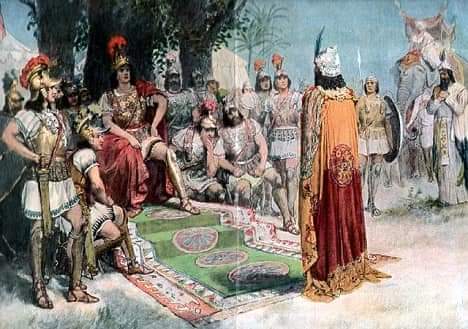
“See the whole world as your homeland, with laws common to all, where the best will govern regardless of their race.” Alexander the Great, Opis, (Iraq) 324 BC
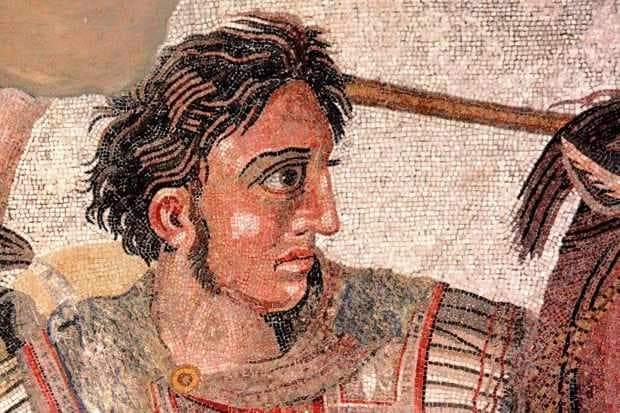
Many assume Alexander’s “Greatness” to be based solely upon his courage in battle and his undefeated status in war. Yet his vision, philosophical outlook, fair and just judgments, commitment to prayer before and after each engagement and his devotion to God and his Gurus are the eternal values to which he can rightly be praised. The “Oath of Opis” reveals the authentic nature of his nobility and his worthiness of the title of “The Great”.
We all know of his many battles, which he never lost, yet few know he organized 100s of Religious Festivals all through Asia as he marched towards India.
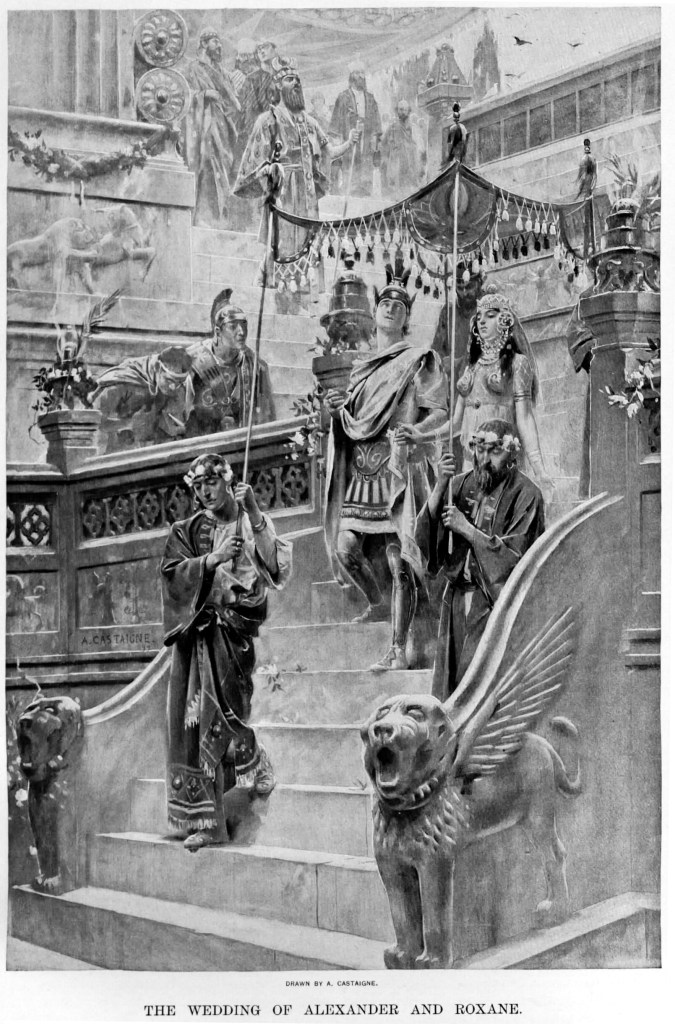
He married and truly loved a Princess named Roxanne (Rukshana) from the modern region of North Afghanistan and Uzbekistan. She saved his life by bonding with King Puru as his sister through the Raksha Bandhan rite.
When Alexander fell off his horse Bucephalus, in the battle, King Puru lifted his arm for the kill. Yet upon seeing the Raksha Bandan locket upon his wrist, he didn’t have the heart to widow his Dharmic sister, thus allowing Alexander to remount and rejoin the battle.
Upon victory Alexander then asked King Puru,”How would you like to be treated?” King Puru replied, “Like a King.” Alexander agreed, befriended him and refused to claim any of King Puru’s lands.
The title The Great was actually given by the later Romans. In his own time he was called Invincible after the Oracle of Delphi declared, ‘You are invincible, my son.’
Upon entering Jerusalem, the entire city welcomed him as a liberator. “When Alexander sees Jaddus dressed in the robes of the High Priest and in a turban adorned with a gold plate engraved with the Hebrew name of God (the four Hebrew consonants “YHWH” commonly rendered in English as “Jehovah”) , “he approached by himself, and adored that name, and first saluted the high-priest.”
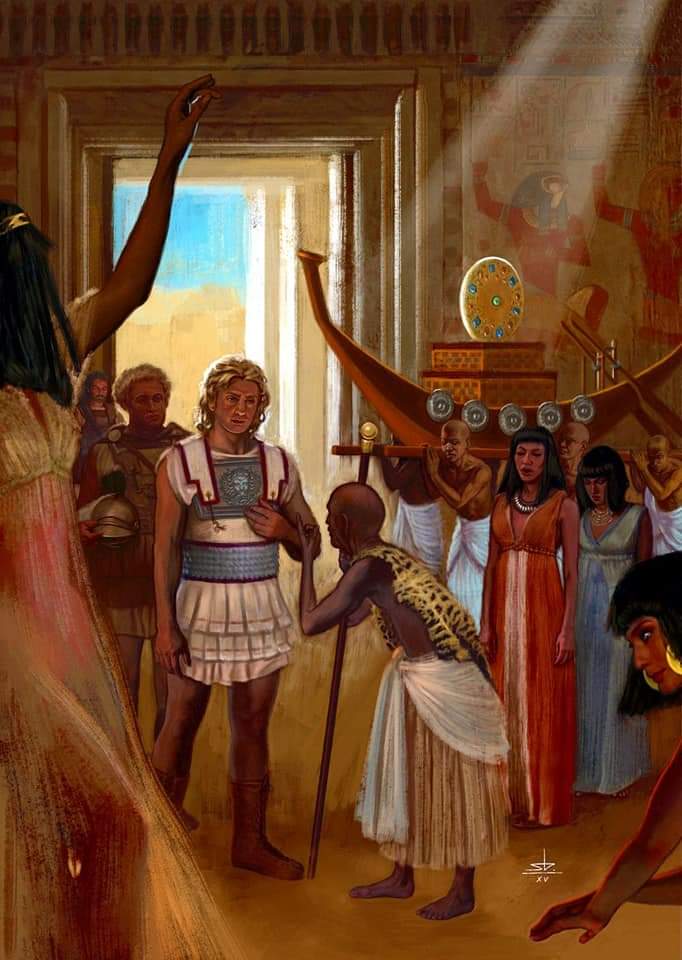
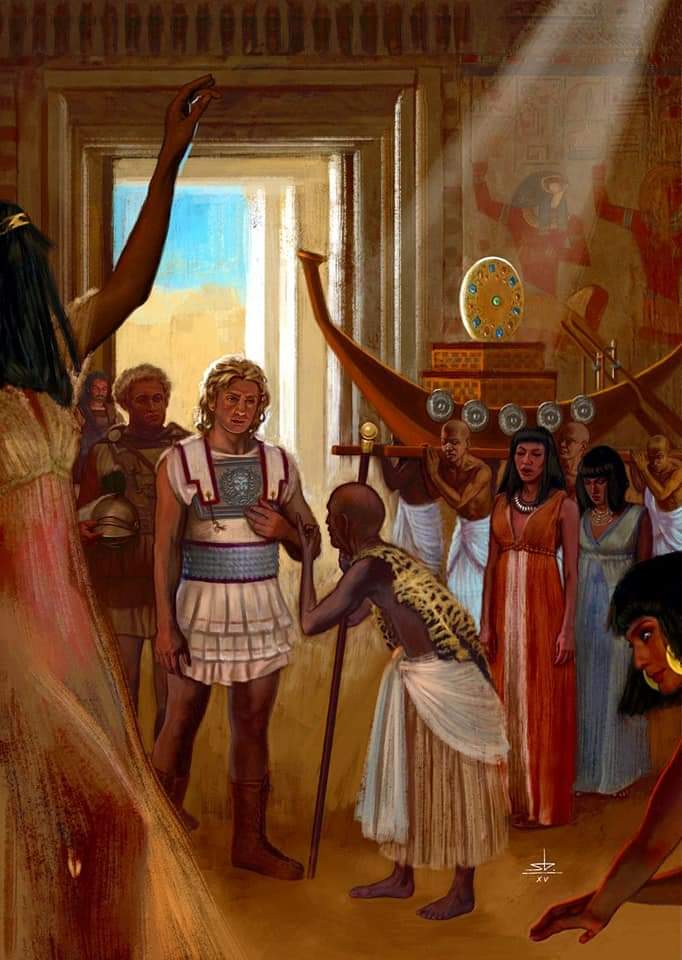
Alexander was again welcomed as a liberator in Egypt where he embarked on his famous pilgrimage to Siwa. Later Egyptian carvings depict Alexander being given the Staff of Kingship as the Pharaoh of Egypt by a Blue colored Amun Ra/Vishnu. (As seen in images added to this post.)
Alexander the Great at the Oracle of Amun, Siwa.Liebig collectors card, 1950 Alamy Stock photo
After he decreed all citizens as equal, be they Persian, Greek, Macedonian or Indian, many of his elite Macedonians felt slighted. After much wrangling his Macedonians apologized and were forgiven. He then arranged a banquet in which he made the famous “Oath of Opis”. In this oath one recognizes the true Greatness of Alexander.
“The occasion culminated with Alexander’s speech also known as Alexander’s “Oath”. Even today the leaders of states and international organizations consider it as their guiding light.”
The “Oath” of Alexander the Great (OPIS, 324 BC)
“Now that the wars are coming to an end, I wish you all to prosper in peace.
From now on, may all mortals live as one people, in fellowship, for the good of all.
See the whole world as your homeland, with laws common to all, where the best will govern regardless of their race.
Unlike the narrow-minded, I make no distinction between Greeks and Barbarians.
I am not interested in the origin of the citizens, or the race into which they were born.
I have only one criterion by which to distinguish them: their virtue.
For me, any good foreigner is a Greek and any bad Greek is worse than a Barbarian.
If disputes ever arise among you, do not resort to weapons, but solve them peacefully.
If needed, I will arbitrate between you.
See God, not as an autocratic despot, but as the common father of all so that your conduct will be like the life of siblings of the same family.
I, on my part, see you all as equal, whether you are white or dark-skinned.
And I wish you all to be not only subjects of the Commonwealth, but members of it, partners of it.
To the best of my ability, I will strive to do what I have promised.
Let us hold onto the oath we have taken tonight with our libations as a Contract of Love”.
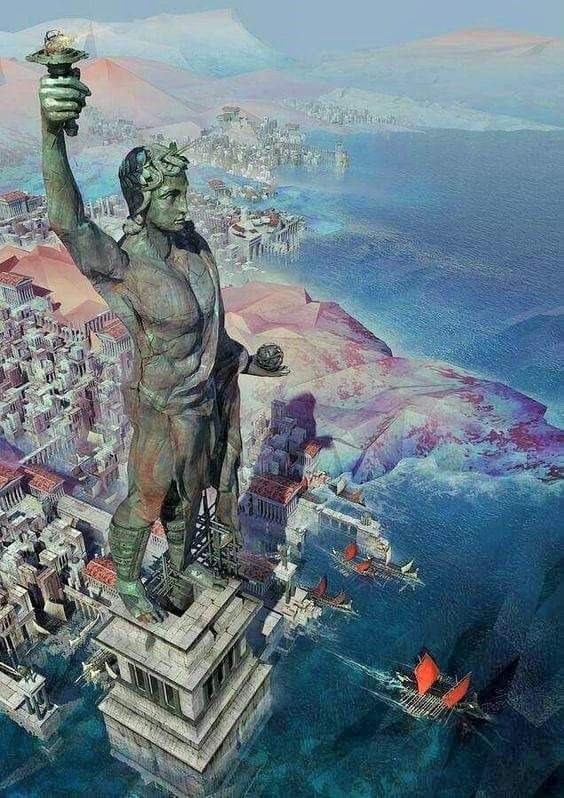
With a favorable wind, Apollonius and his disciple Damis arrived in Rhodes. As they approached, the Colossus of Rhodes stood gigantic and majestic in their view.
In awe, Damis asked his teacher, “Do you think anything could be greater than that?” Apollonius replied, “Yes, a man who loves wisdom in a sound and innocent spirit.” From The Life of Apollonius of Tyana written by Philostratus circa 208 AD
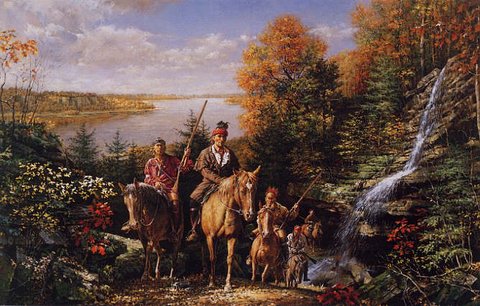
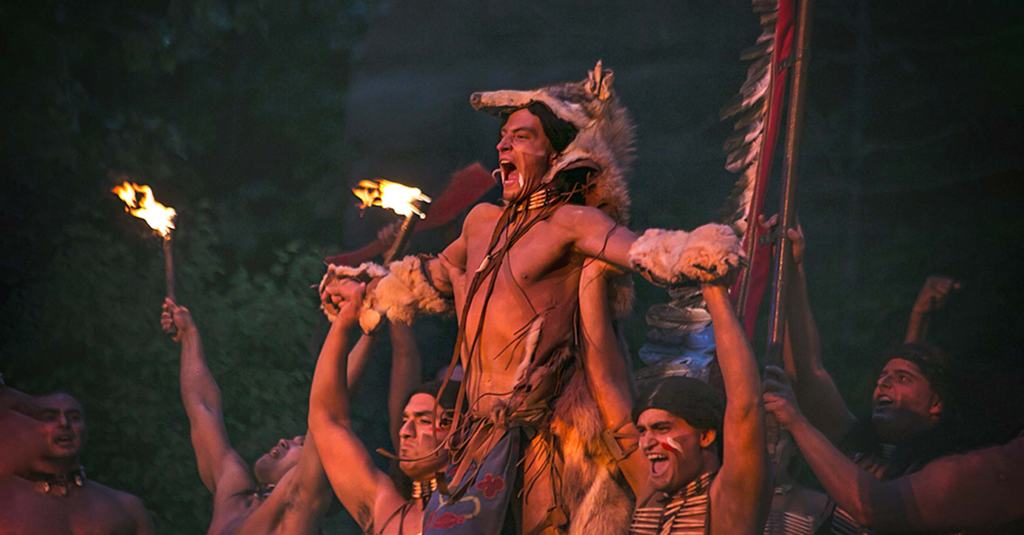
“When Weshemoneto is ready the earth will tremble and shake so tremendously that great forests will fall, streams will run uphill and rivers will escape their channels. The sign from Weshemoneto (God) will be so violent that all could not help but feel it. And they will never be able to forget it.” Tecumseh. It is also widely believed that Tecumseh not only predicted these massive series of earthquakes but actually caused them.
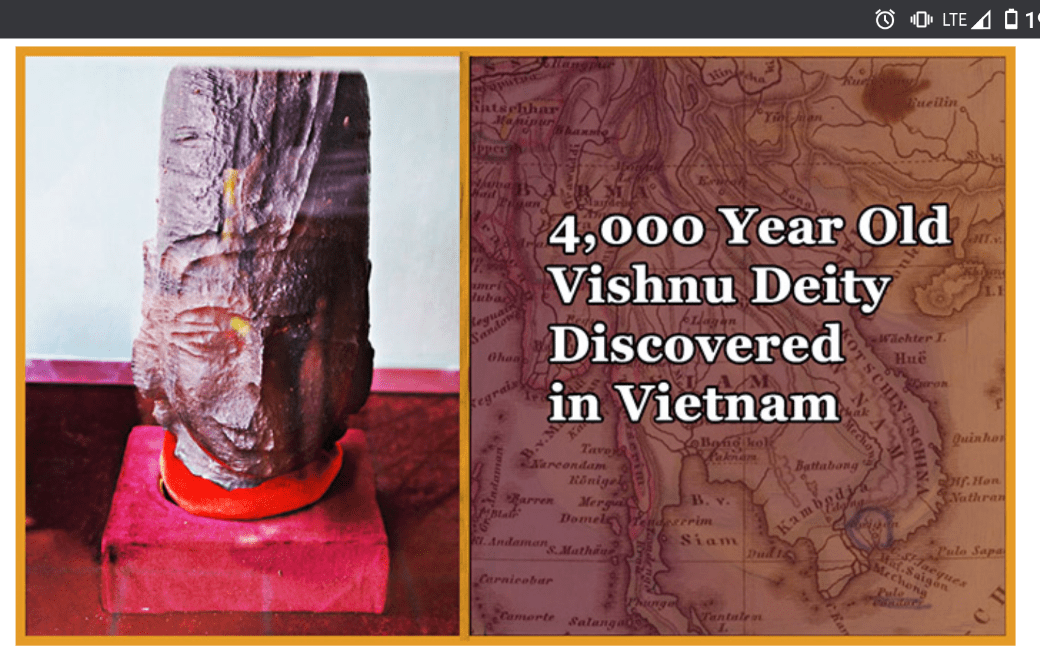
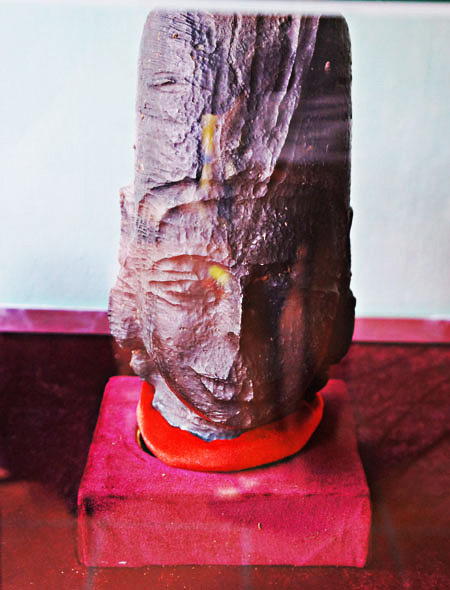
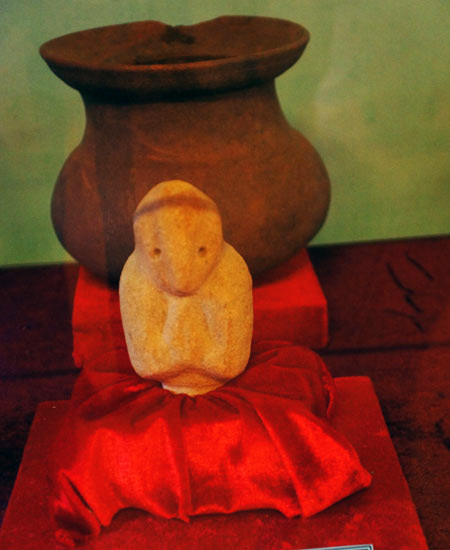
Vishnu stone sculpture, Oc Eo culture, 2,000-1,500 BC. Officially presented during the 5th Quang Nam Heritage Festival Hoi Han City, Vietnam. The Communist Party of Vietnam’s Central Committee (CPVCC) official press release states, “Vishnu stone head from Oc Eo culture, dated back 4,000-3,500 years.”
A recent news report from Vietnam features an exquisite and very ancient sculpture of Lord Vishnu. According to a press release from the Communist Party of Vietnam’s Central Committee (CPVCC) the Vishnu sculpture is described as “Vishnu stone head from Oc Eo culture, dated back 4,000-3,500 years.”
Recently the Government of Vietnam, despite its official Communist doctrine, has developed many programs and projects highlighting Vietnam’s ancient religious heritage. Its scholarly and archeological research and investigations are legitimate and its conclusions are authoritative. This discovery of a 4,000 to 3,500 year old Vishnu sculpture is truly historic and it sheds new light upon our understanding of the history of not only Hinduism but of the entire world.
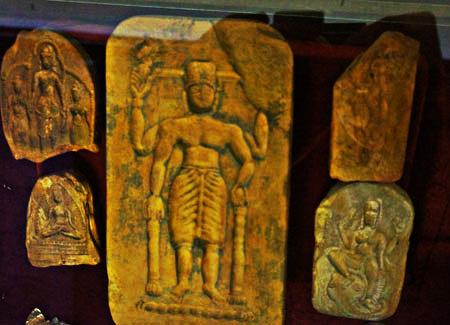
Copper form of Vishnu from Oc Eo culture
The fact is there are no other ‘officially’ recognized Vedic artifacts that have been dated back to such an early date. This would make Vietnam home to the world’s most ancient Vedic artifact. While there are indeed many other ancient artifacts that represent the same Deity, they are not presented in the ‘Indic’ tradition and cannot be directly recognized as the Vishnu of the Indic Vaishnava tradition.
The 4000-3500 year old Vietnamese Vishnu sculpture is part of an exhibit featuring some of Vietnam’s most ancient artifacts. It was discovered in the region of Southern Vietnam’s Mekong Delta. The Mekong (Ma Ganga) River is named after the Ganges River of India. The entire region was once the home to several ancient and prosperous Vedic Kingdoms and many intriguing and unique Vedic artifacts have been discovered.
Vishnu stone head from Oc Eo culture, dated back 4,000-3,500 years.
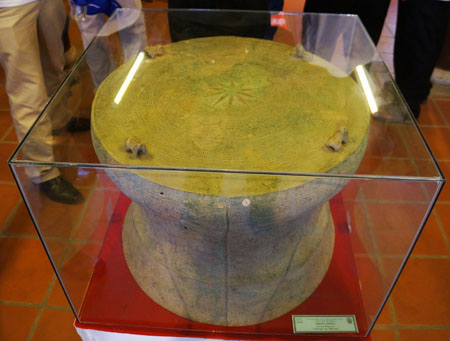
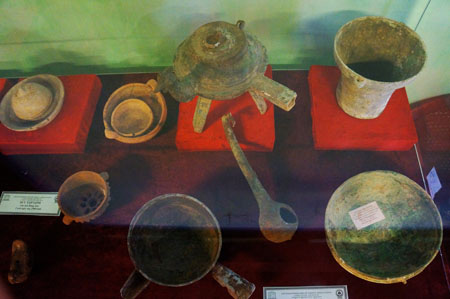
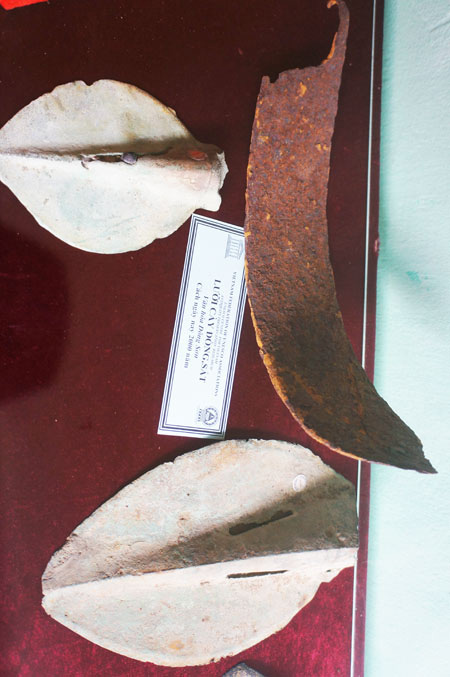
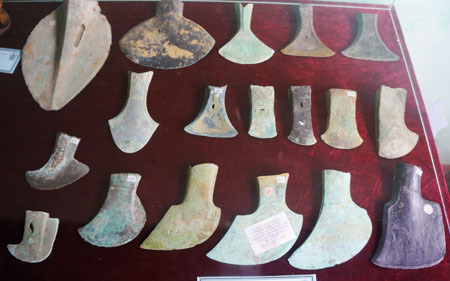
The Vishnu sculpture was officially presented during the 5th Quang Nam Heritage Festival which opened on June 21, 2013 in Hoi An City. The exhibition highlights many ancient objects dated from the Dong Son – Sa Huynh – Oc Eo eras of Vietnam’s ancient history.
“Entitled “Dong Son – Sa Huynh – Oc Eo cultures”, the exhibition put on display over 1,000 ancient objects which come from across the country and are made from diverse materials, from pottery to copper, including jewelry and farming tools, from the pre-ancient period belonging to the three cultures.
The significance of this discovery cannot be overestimated. The entire history of Hinduism and Vedic culture, as taught is the academic institutions of the world, has been built upon a false construct. According to mainstream academia Vedic ‘religion’ or Hinduism did not exist until the alleged ‘Aryans’ invaded India circa 1500 BC. An even later date is given to Vaishnavism which is speculated to have been derived from animist Sun worship. Yet here we have a highly evolved art form depicting Lord Vishnu in the Far South East region of Asia dated to somewhere between 2000 BC to 1500 BC.
This completely undermines the entire historic timeline developed by mainstream academia in regards to the development of both Vedic/Hindu civilization and Indian history.
The region of modern India has always been the epicenter of High Vedic/Hindu Civilization and culture. No one anywhere has ever suggested the region of modern Vietnam to be the origin of Hindu civilization yet it is in Vietnam that we now have the world’s most ancient example of Indic style Vedic Vaishnava art. Thus it stands to reason that if Vedic Vaishnava art, culture and religion flourished 4000 years ago in prehistoric Vietnam it was undoubtedly flourishing in ancient India as well.
Once again science and archeology have confirmed the Vedic conclusion. As the Vedic literature states 5000 years ago India was home to a highly evolved and advanced civilization. This civilization was centered on its sacred traditions. The worship of the Supreme Lord Vishnu, Lord Shiva, Lakshmi and Durga was widespread and in fact spanned the entire globe.
These traditions presented themselves in diverse manners, as seen in modern India, yet among this diversity was a commonality based upon the authority of the Vedic scriptures and traditions. The recognizably Indic forms of the Vedic traditions spanned the globe from the Philippines to the Middle East and Siberia to Australia. Yet the same Divinities were worshiped and the same traditions were practiced throughout the world.
The many recent Vedic discoveries from Vietnam are providing a new and sensational view into the authentic history of the world. Not only this, it presents a challenge to Modern India and its leadership. India is home to many startling and amazing artifacts yet they sit ignored and crumbling. In many cases looters and vandals have destroyed many priceless examples of India’s ancient heritage. India’s leading academics and governing bodies are silent and if they do speak of India’s ancient Hindu heritage it is only to cast doubts and disparage India’s indigenous Vedic culture and Hindu traditions.
Astounding and marvelous ruins and artifacts that would be the pride of any other nation and people are, in general, ignored and forgotten and left to crumble into oblivion. Often they are threatened by the efforts of the various Governmental bodies in the name of progress such as the National Highways Authority of India’s (NHAI) recent attempts to destroy a 1000 year old Shiva temple in Tamil Nadu.
It is a great irony that the officially atheistic Communist Government of Vietnam exhibits more pride in its ancient Hindu heritage than the ‘Secular’ Democratic Government of India. The entire South Asian and SE Asian region was once home to many thriving Hindu Kingdoms and civilizations. The Encyclopedia Britannica writes regarding the Indian influence upon these regions “In the realm of politics, Indian influence accompanied the rise of new political entities, which, since they do not readily fall under the Western rubric of “states,” have been called mandalas. The mandala was not so much a territorial unit as a fluid field of power that emanated, in concentric circles, from a central court and depended for its continued authority largely on the court’s ability to balance alliances and to influence the flow of trade and human resources.”
Perhaps today, as India itself is reeling under the onslaught of enforced ‘secularism’ and as Hinduism has been relegated to the realm of just one of many religions, (rather than being recognized as the heart and soul of India,) we are fortunate that the former Hindu lands of Indonesia, Vietnam, Thailand, Myanmar, Laos and Kampuchea are leading the way towards the reclamation of our ancient Vedic heritage.
Deputy Minister of Culture, Sports and Tourism Huynh Vinh Ai and representatives from Quang Nam provincial People’s Committee and related agencies cut the ribbon to open the exhibition
Dong Son copper drum, dated back some 2,000 years.
Copper utensils from Dong Son culture, dated back some 2,500-2,000 years.
Copper and iron ploughshare from Dong Son culture, dated back some 2,000 years.
Copper axes from Dong Son culture, dated back some 2,700-2,500 years.
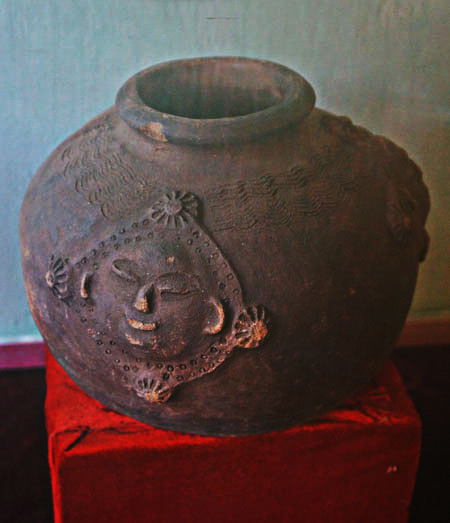
Pottery from Sa Huynh pottery, dated back some 2,300 years.
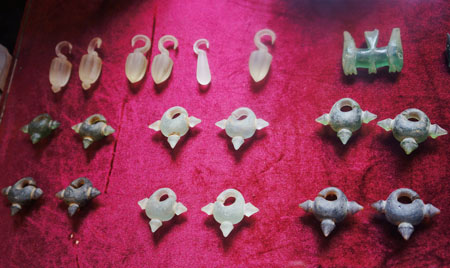
A collection of jewelry from Sa Huynh culture, dated back some 2,300 years.
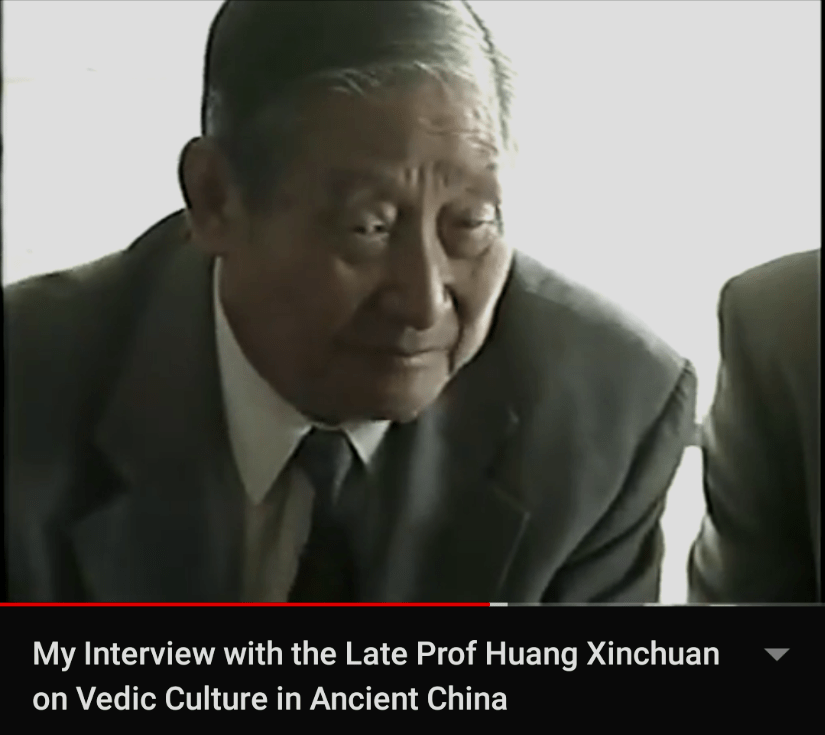
“The Vedas and Upanishads as seen in the Chinese historical record were translated freely into Chinese as Ming-Lun (the Science of Knowledge), Zhi-Lun (the Science of Intelligence) or transliterated into Chinese as Feituo, Pituo, etc. Besides, there are Chinese historical sources of Vedangas.” Prof. Huang Xinchuan
Late Professor Huang Xinchuan was the world’s leading Chinese expert on China’s Vedic past. I interviewed him on video in 2002. (audio needs cleaning up) In this interview he stated that ancient China had many Vishnu and Shiva Temples. He also said that these ancient Chinese Vedic Temple’s locations can be traced by following the ancient Incense trade routes between India, Tibet and China. Brannon Parker
By Professor Huang Xinchuan Department of Oriental Philosophy Institute of Philosophy, Chinese Academy of Social Sciences, 5 Jian Guo Men Nei Dajie St Beijing, China
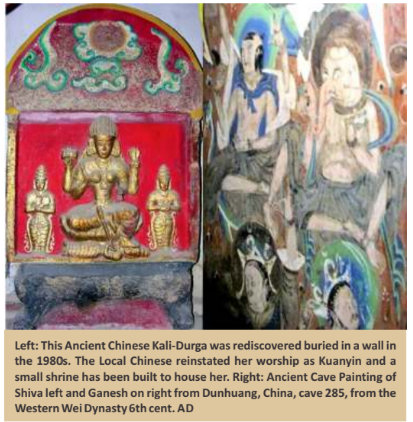
Gyanyin – Liao Dynasty (916-1125 AD) N. Shanxi or Hebei Province Chinese Vajrapani holding the Vajra (Thunderbolt) in one of the right arms. Metropolitan Museum of Art, New York
The religious as well as the cultural interflow between Indian and China occurred as early as over two thousand years ago. Following the Buddhist and Hindu religious activities, the Indian orthodoxy philosophy—the Six Darsanas, Vedanta in particular once flourished in China. Vedanta had exerted also some influences on Chinese Buddhism and Taoism in its own way.
In China we have preserved abundant historical records and relics of Hinduism as well as Buddhism. Since the third century AD, China has discovered numerous Hindu scriptures in Sanskrit. There are records in Buddhist and Hindu scriptures either systematic or piecemeal. For example, the Vedas and Upanishads as seen in Chinese historical record were translated freely into Chinese as Ming-Lun (the Science of Knowledge), Zhi-Lun (the Science of Intelligence) or transliterated into Chinese as Feituo, Pituo, etc. Besides, there are Chinese historical sources of Vedangas. At the stage of Mahayana Buddhism, Madhyamika drew close to Vedanta in both theory and practice. Samkaraís Advitaism was in confrontation with Nagarjunaís Sunyata. We can find out the influences on some Sects of Prajna School (Three Treaties Sect, Tiantai Sect, Mahayanasamgraha Sect etc.) in Sui and Tang Dynasties and also on some eminent Buddhist monks. At the last stage of Indian Buddhism, it mixed with Hinduism again, in other words, Vajna-yana Mixed with Sakta
It is noted that Vedantaís concept and application also directly influenced the formation of the Jo-nna Sect of Tibet. The Jo-nna Sect preached the ìdoctrine of non reality of personî. This doctrine is similar to Vedantaís theory of ìtwo kinds of Brahmans, Mayavada and Adhyasa. Jo-nna Sect was formed in the 12th century and flourished during the period of 14-17th centuries, and still exists today. Tarnathís History of Indian Buddhism and a number of Buddhist works in Tibetan versions described the arguments between Samkara and Pandits Hulisasestha, Dharmakriti, Kumaralila and Kunadarorul in Varanasi, and worth making studies. Taoism is indigence to China.
Chinese Taoism has something in common with Shaktism. The interflow between Taoism and Brahmanism-Hinduism rarely appeared in ancient China, nonetheless, we can find some examples. One text in which the Tung Hsuan Section of the Tao Tsung (Taoist Canon) originated goes by the name Lin Pao Ching (Book of the Marvelous Jewel). In this text, we can find the influence of Brahmanism and Upanishad (Vedanta) in particular. It has a portrait of Yuan Shih Tien Tsun (the Highest God of Taoism) based on the portrait of the Maha Brahma of Brahmanism at the numerous kalpas in the unlimited darkness of Chaos. Thus, He transforms himself into thirty-three devas, asuras,î Ten directions of the Universe etc. Thus we can say that there existed interflow between Taoism and Vedanta.
“…and the fairies were stealing a dance, not thinking anybody was by; and they were so busy, and so intoxicated with the wild happiness of it, and with the bumpers of dew sharpened up with honey which they had been drinking, that they noticed nothing; so Dame Aubrey stood there astonished and admiring, and saw the little fantastic atoms holding hands, as many as three hundred of them, tearing around in a great ring half as big as an ordinary bedroom, and leaning away back and spreading their mouths with laughter and song, which she could hear quite distinctly, and kicking their legs up as much as three inches from the ground in perfect abandon and hilarity—oh, the very maddest and witchingest dance the woman ever saw.” PERSONAL RECOLLECTIONS OF JOAN OF ARC, The Fairy Tree of Domremy, by Mark Twain.
The American author Mark Twain is recognized as one of recent history’s greatest writers. Less known is that he spent 12 years researching and writing a book about the Christian Saint and heroine of France Joan of Arc. Published in 1896 it is called the PERSONAL RECOLLECTIONS OF JOAN OF ARC.It is written as the memoirs of a Frenchman named Sieur Louis de Conte. Through the eyes of Louis, Mark Twain gives us a first hand account of the life and times of Joan of Arc. Beginning as a childhood friend, and later as Joan’s page and secretary, Louis, is with Joan nearly every step of the way.
Though his other works are better known, Mark Twain considered this tome to Saint Joan to be his most important book. He stated, “I like Joan of Arc best of all my books; and it is the best; I know it perfectly well. And besides, it furnished me seven times the pleasure afforded me by any of the others; twelve years of preparation, and two years of writing. The others need no preparation and got none.
“Writing in his 1985 memoir Our Neighbor, Mark Twain, Coley Taylor—a neighbor of Twain’s in Redding, Connecticut, where the author lived from 1908 until his death in 1910—told the story of the day when he, then a young boy, approached the writer in order to profess his adulation for Twain’s most famous characters: Tom Sawyer and Huckleberry Finn. Upon hearing the boy’s praises, the author suddenly took on the mien of a vexed schoolteacher. In the moment, Twain must have reminded Taylor of Huckleberry Finn’s remonstrative Widow Douglas: “You shouldn’t read those books about bad boys,” he told the child, wagging his finger in Taylor’s face. “My best book is my Recollections of Joan of Arc.” ‘The Riddle Of Mark Twain’s Passion For Joan Of Arc’ by Daniel Crown
There is actually a fascinating and ‘mystical‘ reason he called it the ‘Personal Recollections” of Joan of Arc. Mark Twain believed in reincarnation. Convinced he had lived many times before, he stated “I have been born more times than anybody except Krishna.” Apparently, in one of these previous incarnations, he had been Louis de Conte, a lifelong friend and associate to Joan of Arc. Interestingly Joan did indeed have a servant named Louis. Was this very same Louis reborn as Mark Twain? Is this book his final homage to his lifelong friend, leader and sacred ‘compagnon d’arms’ Joan of Arc?
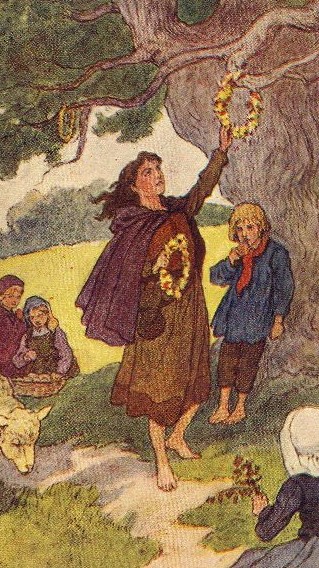
Joan and friends at the Fairy Tree
Among historical figures Joan of Arc is rare indeed. As a female and teenager she became a Kings advisor and eventually a military, political spiritual leader and saint, all in one short lifetime. Mark Twain identifies her as ‘unselfish‘ and thus as one of history’s greatest,“Whatever thing men call great, look for it in Joan of Arc, and there you will find it… She was perhaps the onlyentirely unselfish person whose name has a place in profane history.”
Louis Kossuth, the President of Hungary wrote of Joan, “Consider this unique an imposing distinction. Since the writing of human history, Joan of Arc is the only person, of either sex, who has ever held supreme command of the military forces of a nation at the age of seventeen.”
“Jeanne’s mission was on the surface warlike, but it really had the effect of ending a century of war, and her love and charity were so broad, that they could only be matched by Him who prayed for His murderers.” Sir Arthur Conan Doyle-Author of Sherlock Holmes.
Though Mark Twain’s book on Joan has been classified as fiction he himself did not consider it to be a fictitious account. In a letter he stated, “I have never done any work before that cost so much thinking and weighing and measuring and planning and cramming … on this last third I have constantly used five French sources and five English ones, and I think no telling historical nugget in any of them has escaped me.” The published book lists eleven official sources as “authorities examined in verification of the truthfulness of this narrative.”
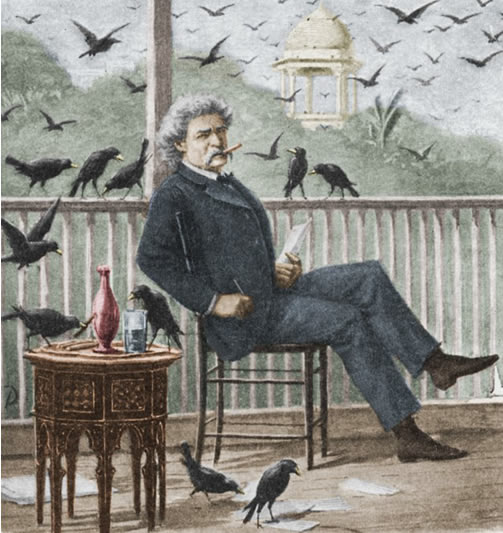
Mark Twain in India chillin with the Crows
In confirmation of it’s ‘bona fides’ the Catholic Church gained the publishing rights of Mark Twain’s book. The Church has been distributing and selling it through its official establishments for over a century. Ignatius Press praises the work as, “…a remarkably accurate biography of the life and mission of Joan of Arc told by one of this country’s greatest storytellers.”
The book takes it reader on a vivid journey to a tumultuous time hard and brutal, where few men could survive. Yet somehow, in this setting, a 17 year old girl rose up to become France’s leading warrior and champion. Empowered by her faith, Joan saw a Divine arrangement at work in all things. We see this from an episode early in her life. In Joan’s defense of “The Fairy Tree of Domremy” she confronts the local Priest for banning the Fairies and identifies them as being a part of God’s creation.
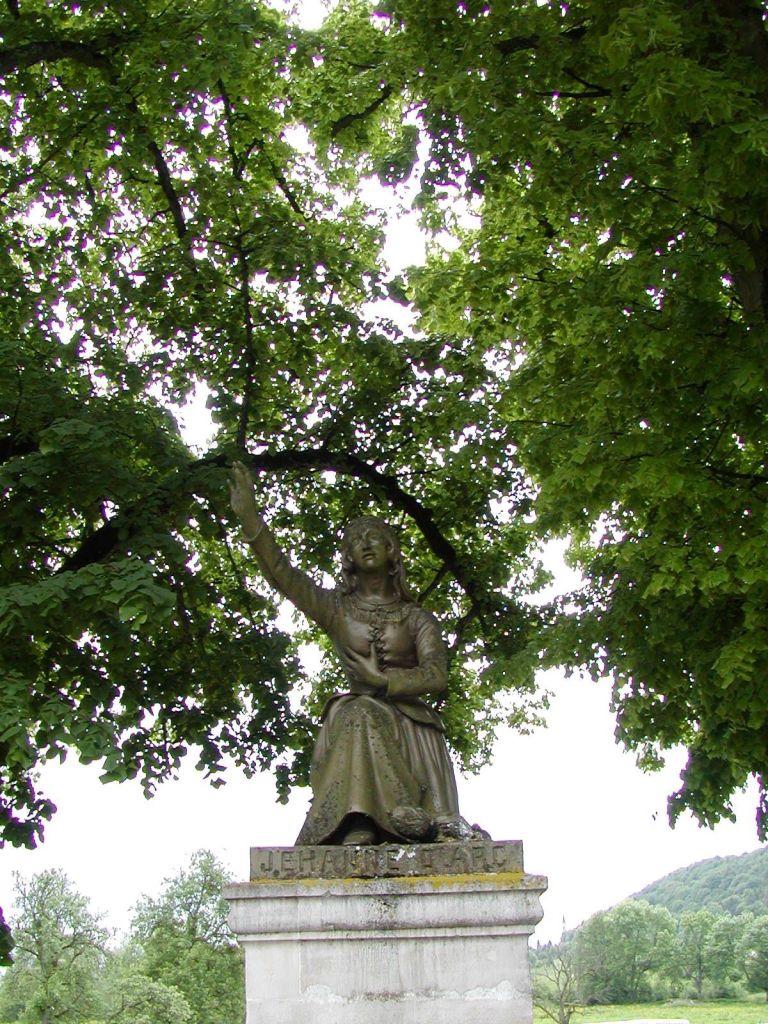
The Virgin Saint Joan of Arc
“Popular legend among the local folk in Lorraine had it that the waters at thistree possessed healing powers. The assessors at Rouen suspected paganism connected with this tree and insinuated that Joan conjured evil spirits there, an accusation that she firmly denied. Joan’s companions defended her and testified concerning the yearly rite in spring for all village youth to picnic, sing and dance at the tree. According to the testimonies, Joan played there with the other youth but was never known to have conjured spirits there or even visited the tree alone.” Jane Marie Pinzino, International Joan of Arc Society
“The fairies were still there when we were children, but we never saw them; because, a hundred years before that, the priest of Domremy had held a religious function under the tree and denounced them as being blood-kin to the Fiend and barred them from redemption; and then he warned them never to show themselves again, nor hang any more immortelles, on pain of perpetual banishment from that parish.All the children pleaded for the fairies, and said they were their good friends and dear to them and never did them any harm, but the priest would not listen, and said it was sin and shame to have such friends.
The children mourned and could not be comforted; and they made an agreement among themselves that they would always continue to hang flower-wreaths on the tree as a perpetual sign to the fairies that they were still loved and remembered, though lost to sight. But late one night a great misfortune befell.
Edmond Aubrey’s mother passed by the Tree, and the fairies were stealing a dance, not thinking anybody was by; and they were so busy, and so intoxicated with the wild happiness of it, and with the bumpers of dew sharpened up with honey which they had been drinking, that they noticed nothing; so Dame Aubrey stood there astonished and admiring, and saw the little fantastic atoms holding hands, as many as three hundred of them, tearing around in a great ring half as big as an ordinary bedroom, and leaning away back and spreading their mouths with laughter and song, which she could hear quite distinctly, and kicking their legs up as much as three inches from the ground in perfect abandon and hilarity—oh, the very maddest and witchingest dance the woman ever saw.
But in about a minute or two minutes the poor little ruined creatures discovered her. They burst out in one heartbreaking squeak of grief and terror and fled every which way, with their wee hazel-nut fists in their eyes and crying; and so disappeared.
“Oh, father, how can you talk like that? Who owns France?” “God and the King.” Not Satan?” “Satan, my child? This is the footstool of the Most High—Satan owns no handful of its soil.”
“Then who gave those poor creatures their home? God. Who protected them in it all those centuries? God. Who allowed them to dance and play there all those centuries and found no fault with it? God. Who disapproved of God’s approval and put a threat upon them? A man. Who caught them again in harmless sports that God allowed and a man forbade, and carried out that threat, and drove the poor things away from the home the good God gave them in His mercy and His pity, and sent down His rain and dew and sunshine upon it five hundred years in token of His peace?
It was their home—theirs, by the grace of God and His good heart, and no man had a right to rob them of it. And they were the gentlest, truest friends that children ever had, and did them sweet and loving service all these five long centuries, and never any hurt or harm; and the children loved them, and now they mourn for them, and there is no healing for their grief. And what had the children done that they should suffer this cruel stroke? The poor fairies could have been dangerous company for the children?
Yes, but never had been; and could is no argument. Kinsmen of the Fiend? What of it? Kinsmen of the Fiend have rights, and these had; and children have rights, and these had; and if I had been there I would have spoken—I would have begged for the children and the fiends, and stayed your hand and saved them all. But now—oh, now, all is lost; everything is lost, and there is no help more!”
Saint & Sword wielder, Joan of Arc
Then she finished with a blast at that idea that fairy kinsmen of the Fiend ought to be shunned and denied human sympathy and friendship because salvation was barred against them. She said that for that very reason people ought to pity them, and do every humane and loving thing they could to make them forget the hard fate that had been put upon them by accident of birth and no fault of their own. “Poor little creatures!” she said. “What can a person’s heart be made of that can pity a Christian’s child and yet can’t pity a devil’s child, that a thousand times more needs it!”
She had torn loose from Pere Fronte, and was crying, with her knuckles in her eyes, and stamping her small feet in a fury; and now she burst out of the place and was gone before we could gather our senses together out of this storm of words and this whirlwind of passion.
The Pere had got upon his feet, toward the last, and now he stood there passing his hand back and forth across his forehead like a person who is dazed and troubled; then he turned and wandered toward the door of his little workroom, and as he passed through it I heard him murmur sorrowfully:
“Ah, me, poor children, poor fiends, they have rights, and she said true—I never thought of that. God forgive me, I am to blame.”
Mark Twain is stunned speechless with a ‘Visitation’ from Joan of Arc’
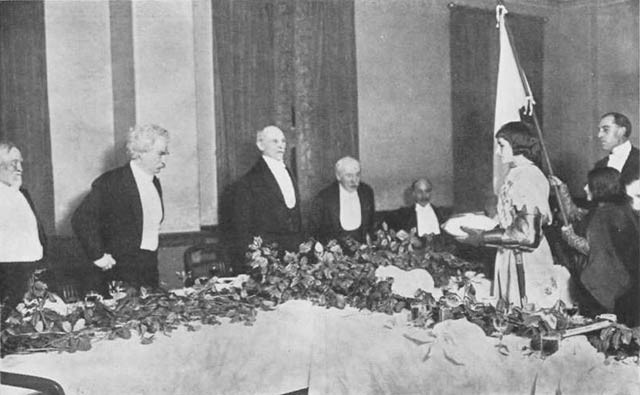
On a December night in 1905, the New York City chapter of the Society of Illustrators managed to do something many thought impossible. With one calculated stroke they left Mark Twain, author and noted quipster, speechless.
The writer had just risen to address the group. As he began to speak, a girl emerged from the back of the room. Her hair was cropped just below her ears; her face was angular but radiant. Underneath a ceremonial white robe, she wore the armor of a 15th-century French soldier. With eyes fixed on the author, she glided up the aisle between the tables carrying a laurel wreath atop a satin pillow. A reporter from The New York Times in attendance that night later wrote that the “company smile” Twain had exhibited for most of the ceremony faded. By the time the girl reached his table, “Twain had every appearance of a man who had seen a ghost. His eyes fairly started out of his head, his hand gripped the edge of the table.” She presented the author with the wreath, and he accepted it wordlessly. He remained silent until the model exited the room. As the seconds ticked away, Twain’s audience anxiously awaited his response.
When the writer finally spoke, he did so slowly, carefully.
“Now there’s an illustration, gentlemen — a real illustration. I studied that girl, Joan of Arc, for twelve years, and it never seemed to me that the artists and the writers gave us a true picture of her. They drew a picture of a peasant. Her dress was that of a peasant. But they always missed the face — the divine soul, the pure character, the supreme woman, the wonderful girl. She was only 18 years old, but put into a breast like hers a heart like hers and I think, gentlemen, you would have a girl — like that.” The Riddle Of Mark Twain’s Passion For Joan Of Arc’ by Daniel Crown























































 History & Culture