The Calendar Anomaly. Why do the Months named as the 7th, 8th, 9th and 10th months not match their numerical positions in the Modern Calendar?
September=the 7th month
October=the 8th month
November=the 9th month
December=the 10th month
70 leaves of birch bark that make up the Bakhshali manuscript Bodleian Libraries, University of Oxford. The Bakhshali manuscript contains the earliest known Indian use of a zero symbol. It is an ancient Indianmathematical text written on birch bark that was found in 1881 in the village of Bakhshali, Mardan (near Peshawar in present-day Pakistan). It is perhaps “the oldest extant manuscript in Indian mathematics. C. 235 AD
In the word Calendar we once again see an example of almost pure Sanskrit. Calendar (Kalandar) and Clock (Kalak) both come from the word Kala the Sanskrit word for Time. When we apply this same Sanskrit as a linguistic archaeological tool to our modern calendar, an anomaly is revealed.
In our modern calendar we have 12 months. According to this calendar, January to August represent the 1st to the 8th months. Next we find ourselves in September the 9th month, October the 10th month etc.
Yet when we translate the actual words September, October, November and December we find that we are dealing with numbers.
Sapta is Seven as in Sapta-Sindhu=7 rivers
Octa is Eight as in Octagon
Nava is Nine as in Nava Ratna=Nine Gems
Dasha is Ten as in Decimal.
Thus while September is now the 9th month, its very name reveals that it was originally Sapta, the 7th month of the year. The same holds true for October, November and December. Language reveals the puzzle and History provides the answer.
Ancient Roman mosaic representation of the Calendar Months found in North Africa
We inherited the modern calendar from the Romans. It was the Romans that added the months of July and August over 2000 years ago. ‘After Caesar’s death, the month Quintilis was renamed July in honor of Julius Caesar in 44 BC and, later, Sextilis was renamed August in honor of Roman Emperor Augustus in 8 BC.’How did the Months get their names? Almanac.com
The most significant change was the addition of the two months of January and February to the original 10-month calendar. The original calendar consisted of only 304 days and was followed by an unnumbered period of winter. However, the two months were added between December and March
Despite the changes made to the calendar, the original template remains. However it requires the application of linguistics and and the accurate historical contexts to be understood. Fortunately with a combination of Linguistic Archeology and Traditional Roman testimonials the truth can be revealed.
Without the linguistic, cultural and historical clues, the Calendar Anomaly would remain unknown, what to speak of unsolved?
Though our modern calendar no longer reflects the original meanings of the months, the very names of these months inform us of their original placement. We can thus identify the calendar as it was thousands of years ago. Linguistic Archeology in effect!
Encoded within the names of these months is a forgotten legacy that can be revealed through the Sanskrit language. In the same way, all the answers to the mysteries of our past can be discovered. Again and again key elements that make up the very basis and fabric of ancient civilization remind us of our common global heritage.
It behooves us to begin extensive, intensive onsite investigations into this important field of research. The entire world will be benefited by the cataloging, deciphering and preservation of these many astounding reminders of the World’s Ancient Vedic Heritage.
EDITORIAL, Aug 8 (VNN) — Los Angeles, CA – April 10, 2000
Recently, the Los Angeles County Museum of Art held an exhibit called “Pharaohs of the Sun“. It turned out to be the most popular exhibit ever. The exhibit featured artifacts from the reigns of Akhenaten, Nefertiti, and the famous King Tut.
Modern scholars claim that Akhenaton was the worlds first known monotheist. However, the fact is, he was actually reviving an ancient monotheistic religious tradition. Unknown to most is the true nature of this religion. This religion was not only Vedic, but was actually an Indigenous Egyptian form of Vaisnavism.
Research has proven Akhenaton’s Vedic roots through his familial connections to the Hurrian/Mitanni peoples. Everyone agrees that the Mitanni were a Sanskrit speaking and writing people and they worshipped the Vedic gods. What is forgotten is the fact that Akhenaton’s father, his mother, and wife were all related to the Vedic Mitanni. Thus, it is no surprise that Akhenaton’s religion and Vedic religion share so many vedic similarities. The research of BhaktiAnanda Goswami has proven the Vaishnava nature of his religion.
Detail of the throne of Tutankhamun. Queen Ankhesenamun holds a salve-cup and spreads perfumed oil on her husband’s collar in a typical Amarna style scene. The sun-disc Aten shines above the royal couple. Country of Origin: Egypt. Culture: Ancient Egyptian. Date/Period: 18th dynasty 1327 BC. Material Size: Wood, gold, silver & precious stones.
On April 10, 2000, BhaktiAnanda Goswami of E.O.H.N. (Ecumenical Order of the Holy Name), and Vedic Empire Productions put together a tour and presentation on Akhenaten’s Vedic/Vaishnava past. During the two hours of the tour BhaktiAnanda Goswami enthusiastically pointed out the various vaishnava connections. Again and again he amazed and enlightened the tour participants. It is truly amazing how many ancient artifacts are related to the worship of Hari. Using the torchlight of knowledge, BhaktiAnanda Goswami clearly revealed the Vaishnava nature of Akhenaton’s religion. During the tour, many people unconnected to our group were intrigued and asked intelligent and sincere questions which BhaktiAnanda Goswami answered.
The program continued that evening at the Los Angeles Hare Krishna Temple where BhaktiAnanda gave a detailed talk on various examples of the ancient world’s global Vaishnava traditions. Using a scientific approach called linguistic archaeology, some of the key points he presented are as follows: 1) The original forms of the Supreme Personality of Godhead worshipped in the Mediterranean region were Radha-Krishna and Balarama. The center of this ancient Vaishnava culture was the Greek Isle of Rhodes.
950 BC Creator Ptah Divine Father Pita Lapis Lazuli
2) Jews, Egyptians, and Europeans all worshipped Lord Krishna in many forms all familiar to the modern day Vaishnava. Forms such as Matsya, Kurma, Narasimha, and Kalki. This tradition was called Heliopolitan because they worshipped Helios (Greek for Hari).
3) Hundreds of Jewish, Egyptian, and Greco Roman deity names (theophoric names) can be clearly identified as names of Krishna or Vishnu.
4) Official religious emblems, including the state seals of the Jewish kingdoms of Israel and Judah, were indisputably Vaishnava symbols, and directly connected to Akhenaton’s religion and the eternal Vaishnava traditions of India.
5) In ancient Egyptian religion, creation began from the form of NHRYN (Narayan) lying on the primordial waters. A lotus grows from His navel, and on this lotus appears the four armed and four headed Heliosphanes (Brahma) who speaks creation.
The Chios KoreAncient Cretan Korous 600 BC
6) Ancient Mediterranean Vaishnavism can be properly understood when we compare it to the authentic Vaishnava scriptural sources especially Bhagavad-Gita, and Srimad Bhagavatam, where the viratarupa (Universal Form) conception of the Supreme Lord is revealed. For example, Krishna’s self revelation in the “I Am” verses of the Bhagavad-Gita directly parallels the great hymns of HR-Heri of ancient Egypt. Therefore, ancient Egyptian religion considered HR-Heri the origin of all gods and deities. That is why they used the name HR-Heri or Asu (Vasu) along with deities considered to be aspects of Heri. Thus, the god of wealth was called KPHR/Kepe-Heri because in the Gita Krishna says “·I am Kubera”.
7) Being authentic followers of Vaishnavism, ancient Heliopolitan cities always had a presiding deity of Helios (Hari). He was always worshipped with His Fortuna (Goddess of Fortune or Shakti). Evidence shows that the original form of Helios (Hari) was worshipped on the Greek Isle of Rhodes as Kouros. The original form of Fortuna was named Rhoda.
8) Even modern scholars accept that Kouros was considered the origin of all the Greek gods. He is described as a beautiful youth tending His sacred white cows with His elder brother and friends. He plays a flute and leads the boys in dance as they clash their cymbals. He dances with Rhoda and Her expansions in a circle dance named after Him called the Chorus Dance. As the Lord of the Dance He is called Choreagos from which is derived the modern word ‘choreographer‘. The peacock feather was the pre-eminent symbol of both Helios and Kouros. Throughout the region Helios (Hari) was worshipped as the Lord of the Heart and the Supreme Personality of Love. That is why He is the Lord of all living entities, cultures, and traditions.
All of this evidence highlights the fact that we are all rooted in the tradition of pure devotional service to Sri Sri Radha Krishna and Balarama. BhaktiAnanda Goswami hopes that his research can be instrumental in reuniting all of God’s children and awaken the world to its common heritage as the people of Hari.
Peplos Kore, cast and reconstruction, Cambridge Museum of Classical Archaeology
Pendant with Painting of Rani of Jhansi, Lakshmi Bai
Many have spoken of Ram-Rajya or the ideal Vedic Kingdom. Most believe it to be a mythological ideal that may or may not have existed thousands of years ago. Yet history reveals that a such an ideal functioning Vedic administration existed as recently as 1858 AD. This was a functioning Vedic government led by an ideal Vedic Ruler. She was Queen Lakshmi Bai, the famous Rani of Jhansi. Noted as a brave warrior and military leader, she died at 29, battling the British. She was a living legend even during her short reign and lifetime. Long a source of inspiration, Lakshmi Bai remains as an icon of Independence and the Heroic Spirit.
Royal Palace of Jhansi
Below is a very brief account from the book `Rani of Jhansi -Lakshmi Bai’ by E. Jaiwant Paul. It highlights a rare glimpse into the actual functioning of a Vedic based administration and governing system.
“The Rani’s daily routine at this time was to get up at 5 am. The first thing she did was to exercise in the gymnasium. She spent an hour or two every day practising with Indian clubs and honing her skills with the sword, wrestling and horse riding. She would then take a bath with fragrant attar (of roses) and wear a Chanderi sari of faultless white. She would next sit down for her daily prayers and worship with the court musicians providing the music for the puja.
Later in the morning the sardars and other state officials came to pay their respects. There were one hundred and fifty of them and even if any one of them failed to turn up, her keen eye would notice the absence and the next time they came, she would ask the reason for it. After lunch she would take an hours rest, unless there was some urgent work. At 3 pm she held the durbar (audience).
For this function she usually wore male attire, which consisted of Jodhpur breeches, a blue silk jacket and a turban. A sash went around her waist in which she carried a sword, the hilt and scabbard of which were embellished with rubies.
She was tall and beautiful and her attire added to her already impressive presence.
Occasionally for the durbar, she opted for conventional garments and wore a white sari with several strings of pearls around her neck and diamond studded bangles and rings. She sat on a gaddi or throne, flanked by two attendants bearing maces (clubs) damascended with silver and gold.
Jhansi Ganesh Mandir
At the durbar Diwan Lakshman Rao, the Chief Minister, presented the relevant documents to her which she quickly scanned and issued clear and precise orders. She would sometimes write her orders in her own hand but usually she issued them orally to be taken down by clerks. Hers was an open court and anyone who had a grievance could walk in and present their case. She decided civil and criminal cases on the spot.
The Maha Lakshmi Murti at the Mahalakshmi Temple of Jhansi worshipped by Queen Lakshmi Bai. Maha Lakshmi was also her ‘clan’ Kuldevi, Family-Goddess. Jhansi’s Maha Lakshmi Temple and Lake today
Twice a week the Rani and her son went in procession to the Maha Lakshmi Temple with its lake filled with lotus flowers. The procession was an impressive one and wound through the main streets of the city. Sometimes she went on horseback and at other times by palanquin decorated with curtains and gold brocade.
The Interior of the Mahalakshmi Temple features a Portrait of Queen Lakshmi Bai
Her ministers, feudatories and other officials mounted on horses accompanied her. At the head of the procession was a drummer and a flag-bearer while the rear was taken up by a mounted escort of soldiers in Maratha uniforms. A further touch of glamour was added by her beautifully attired handmaidens who walked alongside her palanquin. If it became dark, men bearing flaming torches lit the way. At the palace gates, the melodious notes of the shenai greeted her return.
One cold wintry evening, while returning from the temple she saw the poor of the town in course cotton garments huddling around a hastily built fire in the by-laws of the city. She got down from the palanquin and asked them all to come to her palace in four days time. All the tailors of the town were kept very busy for those four days. When the poor in their hundreds gathered in front of the palaces, every one of them was handed over a woollen jacket, cap and a blanket.”
A letter written by Rani Lakshmibai in the Persian Language; citing the hypocritical tricks of Lord Dalhousie for annexing the kingdom of Jhansi, found 2009 in the British Library, UK.Royal Seal of Rani Lakshmi Bai Fortress of Jhansi 1880sSamadhi Stahl Tomb of Queen Lakshmi BaiJhansi ki Rani 1953 India’s First Technicolor film was on the life of Queen Lakshmi Bai‘The Tiger and the Flame’ 1956 Promotional Poster/Serbian
Watch ‘The Tiger and the Flame‘ (JHANSI KI RANI, 1953) is quite an unusual film, a big-budget Indian historical epic filmed in English, billed in the credits as “India’s First Picture in Color by Technicolor.”
Source: Rani of Jhansi – Lakshmi Bai – A Tribute to Lakshmi Bai, the Rani of Jhansi, the Legendary and Valiant 19th-century Queen, who lives more in ballads, folk tales and stories of Bundelkhand, Central India, than in written accounts. Available Here
Ancient Mayan Sculpture of the ‘Copan Howler Monkey’ carrying a Club with the sign of the Wind God. The Vedic ‘Hindu’ Hanuman also carries a Club and is known as Pavana Kumar, the Son of the Wind God
“One has always wondered about the fact that India and Mexico have so many similarities. We look alike…Besides, there are said to be some ancient links between the Mayans and southern India, which makes our temple architecture similar.The Howler Monkey God Hun-Ahan of the Mayas resembles the revered Monkey God Hanuman in Hinduism.” India’s Ambassador to Mexico & Belize Sujan R. Chinoy, 8/13/20 India and Mexico: Case for a Strategic Partnership
Balinese Hanuman with Club
We find other intriguing clues connecting ancient Mexican and Central American religion with the Vedic mystical traditions. Dr. Francisco M.P. Apodaca, an engineer with doctorate degrees in Archeology and Geology and member of the indigenous Mexican ‘Dance Society,’ identifies Quetzalcoatl as the same Supreme Godhead Hari, Vishnu of the Vedic Vaishnava Religion. Like Vishnu’s avatar of Lord Ramachandra, Quetzalcoatl’s body is green and at times he assumes a Krishna/Narayana-like blue form as well. In this blue form he is known as Kuauhtemoc.
_________________________
As with Vishnu and Garuda, once again the Eagle is present. For this blue form of the Supreme God Quetzalcoatl known as Kuauhtemoc, means ‘One who has Descended like an Eagle”
The great God Quetzalcoatl of the ancient Central American Traditions is the same Supreme Godhead, Hari, Vishnu of the Vedic Vaishnava Religion. Like Vishnu’s avatar of Lord Ramachandra, Quetzalcoatl’s body is green and at times he assumes a Krishna/Narayana-like blue form as well. In this blue form he is known as Kuauhtemoc. Again the Eagle is present for the name of this blue form of the Supreme God Quetzalcoatl verily means,’One who has Descended like an Eagle
The similar architectural styles of South India and ancient Central America are not the only commonalities to be found. The Howler Monkey Gods of Temple 11 located in Copan, Honduras are a case in point. This Howler Monkey Deity is nearly identical to the revered Vedic Monkey God Hanuman. Beyond being monkeys, it is remarkable that both are directly connected to the Wind God. Hanuman is the Son of the Wind God and the Copan Howler Monkey God carries a rattle/club marked by the Sign of the Wind God. Mayan tradition actually identifies him, like Hanuman, as a Wind deityas well
Engraved conch shell from Spiro Mounds depicting a Falcon Warrior, Oklahoma, USAVaidehI janakAtmajA abravIddraSh TumichchhAmi bhartAraM VAnarottama/ Sita, the daughter of King Janaka spoke as follows: “O Vanarottama, the foremost of Vanaras! I long to see my husband, Ramachandra.”
Note: Original version written in 2011, updated 2021
Who is Zeus? Who is Kouros and who is Velchanos?
Crete is home to one of humanity’s most ancient Civilizations. The human presence on Crete may indeed reach far back into the earliest epochs of history. In 2002, 5,600,000 year old human-like footprints were discovered on the island. Debate rages as to their significannce. However, the discovery of 130,000 years old stone tools have incontrovertibly affirmed a Paleolithic human presence on Crete. Based upon this discovery, the historic timeline for seafaring has now been pushed back by thousands of years. Suffice it to say, there truly can be no doubt regarding the extreme antiquity of Cretan civilization.
Moving forward into recorded history, civilization blossomed in Crete long before the Greek Mycenaean era. The religion of ancient Crete verily served as a template for the Greeks of the Classical Age. Its religious and mystical sites were Places of Pilgrimage for it was the birthplace of Zeus himself. Thus rather than just another civilization, Crete was both the economic and religious epicenter of ancient Mediterranean high civilization.
The 5,600,000 year old footprints appear more clearly in this photo, after the surface was cleaned in November 2010 by Gierlinski and his colleagues Grzegorz Niedzwiedzki and Andrzej Boczarowski. (Submitted by Gerard Gierlinski)
Pointing again at the ancient and globally prevalent presence of Sanskrit, scholars have recognized a clear relationship between ancient Minoan Linear A and Sanskrit, A key question thus arises. Is language the sole Vedic cultural artifact yet discovered? The answer can now be revealed. A brief review of the evidence provides some startling insights into the nature of ancient Minoan and Mycenaean religion and belief.
The Divine Boy of Crete
Over 100 yrs ago, Jane Harrison, one of the world’s leading experts on Greek Religion, wrote of an ancient Hymn to Kouros. Called the Hymn of the Kouretes, it is in praise of Meghistos Kouros, ‘the Greatest and Youthful at the head of the Gods‘. Found at an ancient temple on the Island of Crete, it is one of history’s most important discoveries in the understanding of ancient religion. Adressed to Zeus in his youthful form as Kouros Welchanos, “This hymn was inscribed on both sides of a limestone slab, four fragments of which were recovered from votive pits near Roussolakkos at Palaikastro, Crete in 1904. This discovery confirmed that Palaikastro was the site of the ancient Diktaion – the sanctuary famed in antiquity for the worship of Zeus’. Jane Harrison, ‘Themis: a Study of the Social Origins of Greek Religion
This book reveals that the worship of Baby Zeus as Kouros is at the very origins of ancient Minoan and Greek religion. Zeus is identified as Kouros ‘the youthful and the greatest.’ He is identified as the ‘Divine Boy’ who was hidden away at birth and given to another to be as his mother. Arthur Evans, the famous discoverer of Minoan civilization classified him as, “… a divine child or a youth.’
A series of 2500 yr old praisos, Cretan coins depict this same Baby Zeus being Nursed by a Cow. in fact this was one of the most popular coins of the region.
Meghistos Kouros ‘Greatest Kouros’ Megha and Maha are the same word.
Young Zeus is represented in ancient Minoan art as a long-haired youth and hymned to as ‘ho megas kouros’ or “the great youth.” He is surrounded by the Kouretes, young men initiates of the Kouros tradition. They were a band of ecstatic armed dancers, protecting the Infant Zeus. This same element is present in the Indic Vaishnava tradition as well. Thus the Cowherd men led by Child Krishna’s adopted father, Nanda Maharaj protected the youth as he was suckled by Cows.
Zeus as Youthful Kouros
“Kouros most great, I glorify you, Kronian, lord of all that is moist and gleaming, you stand at the head of all gods…rejoice in our dance and our song! with lyre and flutes as we sing around your altar…” Hymn to Kouros, the ‘Divine Youth’ of Crete
Kouros, the Divine Youth
Young Zeus, known as Kouros was also named Welchanos. (Here W is pronounced V and the CH is pronounced as K. Welchanos has thus been confused with the demigod Vulcanus. Some scholars doubt that Welchanos, Velchanos, Kourus and Zeus are one. Yet the only proof they give is that his name is found along with the name of Zeus within the same prayer. thus they say he must be a totally different God.
However if we applied this to any Vedic Mantra we can easily see the innaccuracies of this conclusion. It is an example of scholars with no background in devotional practice of any of the living sacred traditions, they reach a mundane conclusion. Using such logic the entire ‘Hari Haraya Namah Krsna‘ hymn would be about 100 different gods competing for worship and prayers.
The Divine Boy of Braj Bal Kanha Krishna
As Welchanos, (pronounced Velkanos, is potentially a dialectical version of the Sanskrit Bala Kana). Velchanos is actually a later Greek pronunciation of the original Minoan. Beyond the name, the commonalities become obvious when comparing the attributes, characteristics and legends of Welchanos Kouros, the ‘Divine Boy’ of ancient Crete and Bal Kanha Krishna, the ‘Divine Boy‘ of Brajadham, Vrindavan.
Kouros is always represented as a youthful beardless God often in a gesture of worship or adoration to a Female Goddess.
CRETE, Phaistos. Circa 330-320 BC. Stater, Silver Velchanos, seated left within a tree; holding a rooster, standing on his right knee, with his right hand, and resting his left on his seat.
Velchanos was frequently depicted on the coins of Phaistos seated among the branches of a tree. These Ancient Cretan Coins featuring Kouros Velchanos sitting in a tree are such examples. The bird symbolism is also significant and relates to the eagle/hawk/rooster that is always associated with the divinity of Zeus/Vishnu/HR/Helios. Like all these forms of God, Velchanos was also depicted as an Eagle.
Lord Krishna sitting in Tree with a PeaCock and Cows hiding the garments of the Gopis. Velchanos also sits in a tree with a Cock (Substitute for tropical Peacock) accompanied by Cows
Zeus as young Velchanos seated in a tree; in right hand holds Rooster. Bull rushing (sometimes walking).A series of 2500 yr old praisos, Cretan coins depicts this same Baby Zeus being nursed by a Cow
Rather then an obscure regional cult, Velchanos worship was widespread and long lasting. A Velchania festival was long celebrated and it endured through the centuries down into the Hellenistic era. ‘Inscriptions at Gortyn and Lyttos record a Velchania festival, showing that Velchanios was still widely venerated in Hellenistic Crete.’ ‘In the Hellenistic period a small sanctuary dedicated to Zeus Velchanos was founded at the Hagia Triada site of a long-ruined Minoan palace.’ Zeus at Mythos
The Velchanos tradition of ancient Crete was at the core of classical Greek culture. This is confirmed by the ancient book, Plato’s Laws. The characters of the book engage in a dialog on the origins of civilization as they proceed, ‘…on their religious pilgrimage from Knossos to the cave of Zeus.’ This cave of Zeus is the sacred birthplace of Zeus as the ‘Divine Child‘ Velchanos Kouros. ‘The dramatic setting of Plato’s Laws is along the pilgrimage-route to one such site, emphasizing archaic Cretan knowledge.‘ Zeus, the Sky and Thunder God
Sacred Pilgramage Routes connected to Velchanos reflect yet another vital ingredient of the tradition. Pilgrims such as those highlighted by Plato, followed specific routes directly connected to Zeus and his associated legends.
These same Pilgrimage Routes are found in the Vedic Vaishnava tradition as well. They are called Parikrama Marga. Devotees walk along a specified sacred trail directly connected to Krishna and his associated legends.
‘Velchanos was a youthful male deity of Ancient Crete; He was identified as a form of Zeus and was worshipped in the form of a Divine Boy. He was titled as ‘ho megas kouros‘ ‘o great youth’. His sanctuaries were often in mountain caves or in green woodlands.’
THE INDIAN VEDIC-HINDU TEMPLATE
The same exact motif of a ‘Divine Boy’ being Nursed by a Cow is very ancient theme of Indian Vaishnavism and is still found in Vaishnava art of Modern India
By accessing the Vedic Vaishnava template we.find the key to comprehending these discoveries. The traditions preserved within the Sampradayas (Disciplic lineages) and Sanskriti (Culture) provide the vital clues to deciphering the riddles of ancient Mediterranean religion.
Massive Kouros in Apollonas.
Without the Sampradayas and Vedic-Hindu cultural narratives, how could one recognize that Jagannath/Bala Kana Gopal/ Rama/Matsya/Buddha/ Vishnu/Balaram were various manifestations of THE same divinity Vishnu? India provides the keystone. It is India that has maintained an accurate understanding of the primordial truths. Yet much of the world’s cultural continuity has been shattered. Thus people see this or that god in a setting of chaotic randomness. Mistakenly assumed to be part of a polytheistic pantheon, of at times rival gods, the evidence reveals that they are verily one being. These diverse forms are in fact forms of the One Supreme Godhead.
Velchanos, Kouros, Zeus and Apollo and their Eagle. Like Vishnu in his form as Garuda, Velchanos assumes the form of an Eagle
Another link between Zeus and Vishnu is found when we apply his Roman name of Jove. Jove has been recognized by all scholars as a direct Latin translation of the Sanskrit ‘Dyaus Pita‘ which means ‘Father Sky God.’ In the Vedic Purusha Shukta, Dyaus is described to have been created from the head of the primeval being, the Purusha. Purusha is Vishnu. Now one can say this is Brahma or some other divinty yet when combined with the great panorama of evidence in totality it is clear that Zeus/Jove has a greater compatibility with the Supreme Godhead Vishnu himself.
Kouros of Melanes, Naxos, GreeceNarayana Vishnu in Nepal
The gap of time combined with the efforts of the atheistic mindset and religious exclusivists have obscured these many truths. This Vedic culture is identified by the Vedic authorities as the primal reality of all existence. It represents the pulse of the multiverse. It is not only pulsing thru out creation, in the realms of the demons and the gods, but throughout human history as well. Be it the lands of ancient Greece, Egypt, Babylon, Crete or Japan, there at the undercurrent of them all, flows the same sacred river known as Vedic civilization.
TO REVIEW
Velkanos Kouros and Bal Kanha Krishna share the same ‘Supreme God as Pastoral Youth’ Archetype. Similarities Between Zeus as Young Velchanos Kouros the Divine Boy of Ancient Crete and Vishnu as the Young Bal Kana Krishna, the Divine Boy of Vrindavan reveal an almost exact match.
Zeus, Apollo, the Supreme God of ancient Greek Religion was worshipped in his Child and Youthful form as Velchanos and Kouros
Vishnu, the Supreme God of the ancient Vedic Vaishnava Religion is worshipped in his child and youthful form as Bal Kanha and Krishna
At birth Velchanos was hidden away and given to another to be as his mother
At birth Krishna was hidden away and given to another to be as his mother
Velchanos grew up without ever being seen by his birth father
Krishna grew up without ever being seen by his birth father
Velchanos or Kouros is identified by scholars as the ‘Divine Boy’ or ‘Divine Youth’ of Ancient Crete
Bal Kanha Krishna is identified by scholars as the ‘Divine Boy’ or ‘Divine Youth’ of Ancient Vrindavan
At birth Velchanos was in danger of being murdered by a male relative who feared his potential as a threat
At birth Krishna was in danger of being murdered by a male relative who feared his potential as a threat
Velchanos’ siblings were all killed prior to his birth by a male relative who feared that one would rise up against him
Krishna’s siblings were all killed prior to his birth by a male relative who feared that one would rise up against him
Velchanos was protected by armed dancing warriors, the Kourettes and is depicted being suckled by a Cow sorrounded by Kourettes, followers of Kouros
Child Krishna was protected by powerful cowherd boys and is often depicted as Gopal being suckled by a Cow safe in the protection of the Gopa, Cowherd Boys, followers of Gopal
Palaikastro Kouros: Gold and Hippopotamus Ivory
Velchanos is an agrarian bucolic Diety associated with Cows, Bulls, Forests, Caves and Agricultural activities
Child Krishna is an agrarian bucolic Diety associated with Cows, Bulls, Forests and Agricultural activities
The Velchanos Tradition features Sacred Pilgrimage Routes connected to incidents associated with Zeus Velchanos Kouros
The Vaishnava Tradition features Sacred Pilgrimage Routes connected to incidents associated with Bal Kanha Krishna
Velchanos was depicted as having long hair and Beardless
Young Krishna was depicted as having long hair and Beardless
Velchanos was often depicted sitting in a tree with a Cock
Krishna was often depicted sitting in a tree with a PeaCock
Velchanos was portrayed on widely circulated coins being suckled by a Cow
Krishna is often portrayed being suckled by a Cow
Velchanos was closely associated with a Goddess whom he both adored and loved amorously.
Young Krishna was closely associated with a Goddess whom he both adored and loved amorously.
Velchanos is both associated with and depicted as an Eagle
Krishna is both associated with and depicted as an Eagle, for Garuda is one of his Avatars
Velchanos was worshiped and praised as the Greatest and recognized as being at the ‘head of the gods.’
Krishna was worshiped and praised as the Greatest and recognized as being at the ‘head of the gods.’
2200 year old Coin: Zeus with his Eagle and Rose Representing the Goddess Rhoda (Greek for Rose)at his FeetDivine Boy of Crete. Ivory
Zeus Velchanos
“While this particular cult was based in Crete, the name Velchanos was still recognized by almost all Greeks. The island of Crete and the name Velchanos have to do with probably one of the most significant events in the myths of Zeus: his birth. According to the myth, while hiding her child from Chronos, the titan, Rhea, gave birth to Zeus in a secluded cave on Crete. It was there that the child Zeus grew up without being seen by his father, who had until this point, devoured all his siblings in fear that one would raise up against him.”Panhellenic Cults of Zeus: Zeus Velchanos & Zeus Lykaios Despite slight variations in the details, the vital key ingredients are present in both the Velchanos/Kouros and Child Krishna Legends.
2550 yr old marble Kouros and Kore were found buried together in this exact position.
Yet today these exact same deities are presented on opposite sides from each other apart from one another. Like most ancient studies a slight change can completely alter the original significance,context and meaning of an item or tradition. Vedic Civilization represents the prehistoric world’s sole remaining functioning civilizational paradigm. It was based upon a genuine interactive experience between the same Divine God who is Creator of all Mankind. Thus Vedic culture is the original culture of all ancient humanity. By the application of the Vedic template upon the study of the ancient world, one can discover the original context of the ancient world’s religions and mystical traditions.
. Radha and Krishna are the primeval forms of God and his pleasure potency (Hladini Shakti) respectively in the Gaudiya Vaishnava school of thought.Ancient relief depicting the Kouretes dancing around Baby Zeus (Kouros)
Modern etching of Ancient relief depicting the Kouretes dancing around Baby Zeus (Kouros)
A copy of another ancient relief depicting Baby Zeus suckling a cow/goat protected by the Kouretes, followers of Kouros. This depiction correlates with the Child Krishna Gopal suckled by a Cow as he is protected by the Gopas, Cowherd Boys and followers of Gopal, guardians of Brajendra Kumar, the Prince of Vrindavan
Wakinyan – Thunderbird – Eagle and favorite companion of Wakan Tanka – Source: lovelova
The Lakota Indiansof the American Plains have various names for the Supreme Being. Among them Wakan Tanka is the most well known and widely used. What does this name mean? The answer is provided by the wisdom of the Lakota Elders.
They identify the term KAN within the word Wakan to represent the divinity, the sacredness and the mystical nature of the word. In other words, it is KAN that makes it a Godly name. It is KAN that makes it sacred and it is the actual indicator of the Divinity of God, of the Holy, the Godly and the Saintly.
The Lakota people have many other commonly known names besides Wakan Tanka for God and his/her various manifestations. However there are two names of God, Secret Names, known only to the ‘wiyan wakan’ holy women and ‘wicasa wakan’ holy men. These two names are Skan and To.
“The bases of the triangles of these two rings are directly opposite each other and spaced slightly apart. They represent stylized feathers and are blue, the color of Skan, the third Lakota spirit.”Center for American Indian Research and Native Studies (CAIRNS)
Wanka Tanka as Skan is identified as being Blue in color. Also known as Taku Skan-skan and Nagi Tanka, he represents ‘the power of all that moves.’ He has Supreme authority overall and he is everywhere. He is the Supreme arbiter, pure, spiritual, masculine and non-material. “…all that mankind can see of Him is the blue of the sky. But He is everywhere.”The Sun Dance and Other Ceremonies of the Oglala Division of The Teton Dakota John R. Walker 1917
The other secret name of God ‘To‘ means ‘Blue‘. Thus Wakan Tanka’s most arcane and confidential names are Skan, who is Blue and To which means Blue.
Significantly the concept of the ‘Blueness of God’ is thus reinforced twice at the most advanced mystical levels of Lakota Religion and spirituality. There can be absolutely no doubt. The Supreme God of the Lakota, Wakan Tanka is Blue.
When combining the Blue epitath with the Lakota word KAN, (used to signify anything sacred and divine,) the nature and characteristics of their Supreme Being, WaKAN Tanka become obvious. The names, attributes, qualities and associations all correlate exactly with the universal Supreme Godhead archetype shared across the globe.
Wakan Tanka has two secret names, SKAN and TO. SKAN is Blue & represents ‘the power of all that moves’. The other secret name of God ‘To’ means ‘Blue’. Significantly the concept of the ‘Blueness of God’ is thus reinforced twice at the most esoteric mystical levels of Lakota Religion and Spirituality.
According to the Lakota Elders, the most esoteric and confidential name of God is TO-KAN or BLUE DIVINITY (GOD). The Lakota word KAN is often translated to mean “Incomprehensible. An incomprehensible fact that cannot be demonstrated.” This is the actual purport of the words TO-KAN given by the Lakota Elders. And this is how the Ancients of every culture describe God throughout history.
“The LORD is great, and to be praised highly, though his greatness is indescribable.” Psalm 145:3 Knowing Jesus
Na tasya pratima asti – “There is no likeness of Him..” Svetasvatara Upanishad 4:19 Astroulagam
Al-Baatin الْبَاطِنُ “The Imperceptible The Hidden, The Secret One, The Inner One, The Knower of Hidden Things.” 99 Names of Allah My Islam
Lakota Belief and Ritual
The book, ‘Lakota Belief and Ritual‘ presents the James R. Walker collection of traditional Lakota knowledge. Walker spent eighteen years in South Dakota. He worked as a physician on the Pine Ridge Reservation, the home of the Oglala Sioux. From 1896 until 1914, he collected material relating to nearly every aspect of the old Lakota way of life. “This collection records teachings by men whose statements of belief show the energy, depth, and imaginative intensity characteristic of the Lakota response to specific cultural, social, and ecological challenges.” (Word ‘imaginative’ applied by reviewer should read ‘sacred’.) In fact Dr. James R. Walker was trained and accepted as a shaman and ‘medicine man’ by the very Lakota Elders featured in his book. He was both a ‘Public health pioneer and shaman”
Basically this is the ultimate “go-to‘ book and resource for understanding one of Humanity’s most ancient religious and mystical traditions. It is a collection of authentic ancient Indigenous American spirituality as preserved in Lakota belief and ritual. These teachings clearly identify the Supreme God, Wakan Tanka as Blue and his sacred essence is known as Kan.
Lakota teachings also reveal that Wakinyan or Thunderbird is the Eagle and favorite companion of Wakan Tanka. Thus we have a twice-comfirmed as Blue Supreme Godhead identified as Kan with an Eagle as his favorite companion.
Blue + Kan + Eagle = Wakan Tanka = Krishna + Garuda
Cross Cultural Commonality of Kan, the Blue Supreme Godhead
Krishna Kanhaiya the Beloved Darling of Mother Yashoda
The Blue Krishna of the Vedic Vaishnava Indic Traditions is commonly known as Kanha. And like the mystical Lakota tradition, Kanha is an informal, intimate name of God. This nickname, Kanha Kanhaiya, is used by Yashoda, whom Krishna lovingly accepted as his own Mother. A mother’s pet name for her beloved son is one of the most intimate and often secret reflections of pure love in creation.
Thus this name of Kan is rooted in the concept of an all-powerful Supreme God’s loving nature. God is the source of all Love and true religion is about reviving our eternal loving relationships with God.
While many, including some Lakota people, have forgotten their own original culture, the evidence still remains. It has been preserved within the teachings and wisdom of their Elders. This wisdom confirms that the God of their tradition, To-Kan or Blue Divinity is the same God at the root of every major religious tradition of the world.
Kaneand His Bird Aaia-nukea-nui-a-Kane
In the ancient Hawaiian Polynesian traditions we find Kan/Kanha as Kane. Not only is his name the same but his attributes are an exact match for both Wakan Tanka and Krishna Kanha.
Ancient Polynesian Religion recognizes Kane as the highest of all the Gods and Goddesses. “Kane is the father of living creatures. Kane is the highest of the four major gods. He represented the god of procreation and was worshipped as ancestor of chiefs and commoners. Kāne is the creator and gives life associated with dawn, sun and sky. No human sacrifice or laborious ritual was needed in the worship of Kāne.’Ancient Hawaiian Gods.
Like Krishna and Wakan Tanka, Kane has a favorite winged companion. He is called Aaia-nukea-nui-a-Kane,, meaning Great White Albatross of Kane. This is the white albatross (Diomedea immutabilis) which used to be seen commonly along the Hawaiian island coasts and was called “Kane’s bird.” As the largest bird in a region with a species of small sized Hawks, its obvious why this massive bird fulfills the role of ‘Eagle of God’ Garuda archetype.
IN REVIEW
Wakan Tanka has 2 secret names, Skan and To
Wakan Tanka as Skan is Blue in hue
Wakan Tanka as To means Blue
The concept of the ‘Blueness of God’ is thus reinforced twice at the most advanced mystical levels of Lakota Religion and spirituality
The word Kan in the name Wakan Tanka represents God, the sacred and the Divine
Kan, Kana, Kanha, Kane is the name for God throughout the ancient world
Kan of ancient American Indian religion has an Eagle Wakinyan as a favored companion
Kanha of ancient Vedic Vaishnava Indic tradition has an Eagle Garuda as a favored companion
Kane of the ancient Polynesian tradition has a white albatross, Aaia-nukea-nui-a-Kane as a favored companion
Global Presence of Kana, Kanhaiya, Kanu
The scholar Neil Kalia Robinson writes,“KANA, Kanhaiya or Kanu etc., is a name for Krsna; Kana means, a grain, seed, drop or spark; smaller,lesser, young, younger, and YOUNGER BROTHER’. Kana also means “to shine, to please, pupil of the eye, to wink;” KANA is linked to the Skt. word TANA, extend, propagating, offspring,race, child etc.(see definiton below); In Polynesian, TANE or KANE is the YOUNGER BROTHER’of TANGAROA/ KANALOA. Tane/ Kane and Tangaroa/Kanaloa are the Gods who propagate mankind thus, Tane/Kane for “man;” Tanata/ Kanaka, “mankind” and Tama/Kama “child.” From Asia, Africa to Native America the TANA/KANA relation appears to continue to be in popular use. IN Polynesian lore Tane/ Kane, like Krsna Kanhaiya, is said to be a dark complexion While correspondent to Balarama, Tangaroa / Kanaloa is fair. The lord of earth is Tane while Tangaroa ruled the depths of the sea or the primordial PO. Tangaroa/ Kanaloa in His form supporting the cosmos as the Polynesian Heke, or He’e, “octopus, squid” is thus equivalent of Ananta Shesha the infinte serpent who supports the cosmos. Ananta is famously known as an expansion of Balarama the elder Brother of Krsna or Kana.”
Below are some references highlighting the use of the term KAN within the Lakota Indian Tradition. Wherever and whenever it is used it is to describe that which is Holy, Sacred and connected to God. Go here to read direct source.
Interestingly we find that the words Angel and Messenger are the same in the Lakota language. We find this conception in Sanskrit as well. The Sanskrit word Angira means Messenger and this word Angira is the source of the word Angel or Messenger of God.
ogligle wakan – messenger
ogligle wakan – angel
wakan – holy
wakan ankanta – great holy
wakan tanka – God
wakan tanan kici un – may the Great Spirit bless you
wo-wakan – supernatural
wiyan wakan – holy woman
wicasa wakan – holy man
wichasha wakan – medicine man
owanka wakan – sacred altar
minne-wakan – holy water
can wakan – sun dance
tipi wakan – church
tipi wakan – temple
mazawakan – iron or gun. (Because the shot from it is like the act of the Wakan.)
Woniya Wakan – Holy Spirit
Lakota – Maka – Sanskrit – Mata – English – Mother
Maka – The Earth and Grandmother of all things. This is Mata = Mother in Sanskrit. (K & T are interchangeable within linguistics) The name of the Earth represents the ultimate primal expression of identity in a people. Again we find a foundational cultural element at the root of geographically and historically divergent cultures.
Mdewakantonwan – Spirit Lake or Sacred Lake people
We also find the term Kan is applied consistently within the same context and manner amongst the the various Lakota and among other American Indian Tribes as well.
Tecumseh travelled throughout the land sharing his message of solidarity and unity. His tour took him to many towns all throughout the Indian country. The delivery of his message impressed all who listened.
US Army Brigadier General Samuel Dale Monument
The ‘Daniel Boone of Alabama’, General Samuel Dale, who had fought the Indians, provides an eyewitness account.“At length Tecumseh spoke, at first slowly and in sonorous tones; but soon he grew impassioned, and the words fell in avalanches from his lips. His eyes burned with supernatural lustre, and his whole frame trembled with emotion: his voice resounded over the multitude—now sinking in low and musical whispers, now rising to its highest key, hurling out his words like a succession of thunderbolts. I have heard many great orators but I have never seen one with the vocal powers of Tecumseh!” US Army Brigadier General Samuel Dale
The US Governor of the Indiana territory William Henry Harrison was a dedicated American expansionist. The name Indiana means “Land of the Indians” yet Harrison was committed to the ethnic cleansing of the Indian people for whom the land was named. Harrison was eager to expand the territory, as his political fortunes were tied to Indiana’s rise to statehood. In 1803 President Thomas Jefferson granted Harrison authority to negotiate and conclude treaties with the Native American tribes in the territory. Harrison oversaw the creation of thirteen treaties, purchasing more than 60,000,000 acres of land from Native American leaders, including most present day southern Indiana.
Through his scheming efforts millions of acres of American Indian land was being stolen and sold to white American families. His first goal was to populate Indiana with ‘civilized’ people in order to reach the threshold of 60,000, the required number for a territory to be recognized as a US State. Whites began brutally massacring Indians in a random manner. Harrison for his part in one instance sent his own Doctor to treat several Indian victims, not out of compassion but, as he explained, because, “Such instances exasperate the Indians and will prevent them from delivering members of their tribe who have broken our laws.”
Such a jaundiced and prejudiced mentality was the order of the day.Cheeseekau, the mentor and elder brother of Tecumseh said it perfectly, “When a white army battles Indians and wins, it is called a great victory, but if they lose it is called a massacre. The white man seeks to conquer nature, to bend it to its will and to use it wastefully until it is all gone and then he simply moves on, leaving the waste behind him and looking for new places to take.” In such a setting Whites escaped punishment for their crimes against the Natives while Indians were frequently hunted down and executed for any crimes committed against the Whites. Gov. Harrison refused to apply the law equally to all but rather continually demanded the extradition of Natives at will. This led to a further breakdown in the relationship between Tecumseh and Harrison.
There was thus great tension on the frontier and it neared the breaking the point after the contentious and disputed 1809 Treaty of Fort Wayne. In this treaty Harrison purchased more than 250,000,000 acres of American Indian land in current central Indiana and eastern Illinois. In 1810 Tecumseh decided to try one last effort in convincing Harrison of the illegality and injustice of these treaties and he personally journeyed to Harrison’s stronghold of Vincennes.Tecumseh, with about 400 armed warriors, confronted Harrison and demanded that the Treaty of Fort Wayne be rescinded.
When invited to sit in a chair by General Harrison, Tecumseh replied,’Weshemoneto (God) is my father, the Earth is my mother and I will rest upon her bossom.’
As Tecumseh arrived he was invited to a seat of honor near ‘his father’ Harrison. Rather than being honored Tecumseh stood up tall, pointed to the sky and replied, “Gen. Harrison is not my father. The Great Spirit (God) is my father.” Pointing to the Earth he said,”And the Earth is my mother and I will repose upon her bosom.” So saying Tecumseh sat cross-legged upon the ground. Harrison and his staff were thus forced to join him upon the ground.
Tecumseh boldly confronted Harrison challenging him to be honorable and just and with great sincerity, conviction, eloquence and energy Tecumseh tried to reason with Harrison. “Brother, I wish you to give me close attention, because I think you do not clearly understand. I want to speak to you about promises that the Americans have made. You recall the time when the Jesus Indians of the Delawares (Christian converted natives) lived near the Americans, and had confidence in their promises of friendship, and thought they were secure, yet the Americans murdered all the men, women, and children, even as they prayed to Jesus? Brother, I mean to bring all the tribes together, in spite of you, and until I have finished, I will not go to visit your President (in Washington DC).
Tecumseh Rescue American Prisoners from Massacre
Maybe I will when I have finished, maybe…But you do not want unity among the tribes, and you destroy it. You try to make differences between them. We, their leaders, wish them to unite and consider their land the common property of all, but you try to keep them from this. You separate the tribes and deal with them that way, one by one, and advise them not to come into this union. Your states have set an example of forming a union among all the Fires (States), why should you censure the Indians for following that example?
The only way to stop this evil is for all the Red Men to unite in claiming an equal right in the land. That is how it was at first, and should be still, for the land never was divided, but was for the use of everyone. Any tribe could go to an empty land and make a home there. And if they left, another tribe could come there and make a home. No groups among us have a right to sell, even to one another, and surely not to outsiders who want all, and will not do with less.
Sell a country! Why not sell the air, the clouds, and the Great Sea, as well as the Earth? Did not the Great Good Spirit make them all for the use of his children? The being within me hears the voice of the ages, which tells me that once, always, and until lately, there were no white men on all this island, that it then belonged to the Red Men, children of the same parents, placed on it by the Great Good Spirit who made them.
And that I might make the destiny of my Red People of our Nation, as great as I conceive it could be in my mind, when I think of Weshemoneto (God), who rules this universe! I would not then have to come to Governor Harrison and ask him to tear up this treaty and wipe away the marks upon the land. No! I would say to him, “Sir, you may return to your own country!”
When Jesus Christ came upon the earth, you killed him, the son of your own God, you nailed him up! You thought he was dead, but you were mistaken. And only after you thought you killed him did you worship him, and start killing those who would not worship him. What kind of a people is this for us to trust? Tecumseh
Now, Brother, everything I have said to you is the truth, as Weshemoneto (God) has inspired me to speak only truth to you. I have declared myself freely to you about my intentions. And I want to know your intentions. I want to know what you are going to do about the taking of our land. I want to hear you say that you understand now, and will wipe out that pretended treaty, so that the tribes can be at peace with each other, as you pretend you want them to be.Tell me, brother. I want to know now!” Later observers would recall the impression Tecumseh made.
After witnessing a three hour speech by Tecumseh W.S. Hatch wrote, “The effect of his bitter burning words of eloquence was so great upon his companions that whole the 300 of them could hardly refrain from springing from their seats. Their eyes flashed, and even the most aged, many of whom were smoking, evinced the greatest excitement. The orator appeared in all the power of a fiery and impassioned speaker and actor.”
The First meeting between US general William Henry Harrison and Tecumseh
General Harrison, himself who had long envisioned Tecumseh’s younger brother Tenskwatawa as his primary rival for the hearts and minds of the Indians, now realized that Tecumseh was the true genius behind the resistance. “This brother is really the efficient man – the Moses of the family. He is described by all as a bold, active sensible man daring in the extreme and capable of any undertaking.”
Though impressed by Tecumseh’s words Harrison refused to compromise. He ridiculed Tecumseh’s dream of a unified Indian peoples by saying that if God had wanted them to unite he would not have divided them by language and custom. Harrison then insulted Tecumseh by denying that he had any right to speak for anyone other than his own small band of Shawnee. This enraged Tecumseh and cutting off Harrison in mid-sentence he rose to his feet brandishing his tomahawk axe. Having no guns on hand his warriors all jumped up as well brandishing their native weapons. Tecumseh accused Harrison of lying and as the tension rose Harrison pulled out his sword as the Guard was called to defend the General.For his part General Harrison sternly announced an end to the meeting.
During the night tension reigned as both parties prepared for battle. However Tecumseh regretted his outburst and by the next day emotions had mellowed and the talks began again. Despite the effort at amity nothing was resolved. Rejecting all of Harrison’s points Tecumseh made it plain and simple. The Indians are not interested in annuities or treaties. All they needed and wanted was their land and the freedom to practice their religion and customs as they had for countless millennia.
Future US President Harrison meets Tecumseh
The two antagonists Tecumseh and Harrison actually met twice for extended meetings. The first meeting took place in August 1810 and the second meeting was held in July 1811. At the second meeting, honest to a fault, Tecumseh informed Harrison of his planned tour of the Southern Tribes living in the region of the modern south-east United States. Harrison was soon to take advantage of his absence. Assuming that he had gained some time by stalling General Harrison, Tecumseh then departed upon his legendary 6 month journey across America. It was his conviction that until the Indian people cease their hostility towards one another and unite in common cause, only then would he be rewarded with success in this sacred mission. Thus in July 1811 Tecumseh began his journey south.
1811 the Year of Decision The year 1811 was one of those crucial moments in history when the destiny of humanity itself hangs in the balance. It was a fork in the road, a choice and a final chance was given to choose justice and righteousness over greed, cruelty and mayhem. Tecumseh, sent by the ‘Maker of Life’ (God) urged the Indian people to unite in a solid alliance and in so doing create a virtual “Great Wall of America”. Tecumseh himself referred to it as ‘a dam to resist the mighty waters flooding over Indian lands.’ Rather than bricks and mortar this dam was to be made of the spirit, willpower and manpower of the combined native population of the entire continent. He had the vision but it was up to the Indian people to make it a reality.
Comet of 1811
Many strange omens and portents began appearing. Natural disturbances occurred unsettling both the White settlers and the Indians. Torrential rains flooded the land forcing one and all to seek shelter in the hills. Squirrels, who do not roam in packs, suddenly joined together in packs of ‘tens of thousands’ rushing madly from the north, through the forests and dashing into the Ohio River only to helplessly drowned. An ‘unprecedented sickness’ swept the region emptying towns.
Tecumseh’s Comet Then in March 1811 a massive comet appeared in the skies. In North America it was soon to be called ‘Tecumseh’s Comet. The comet, with an orbit of 3,065 years, was last seen during the time of Ramses II of Egypt. Its head was a million miles across and its tail was 132 million miles long. At first it was not visible in America. Then in September it suddenly became visible. Coinciding with Tecumseh’s arrival in the South the comet lit up the night, travelling like Tecumseh, from west to east.
Everywhere he went the comet seemed to follow Tecumseh announcing his arrival. The forests and fields were ‘lit up in a dull twilight’ as the awesome phenomenon inspired awe and consternation, not just in America, but across the world. Many assumed the end of the world was nigh. Panicked descriptions and warnings filled the conversations and press around the world.
The comet reached its brightest on October 15th, 1811. For many Natives the comet was a sign from the Creator and served to inspire confidence in the authenticity of Tecumseh’s message. Everywhere Tecumseh went that awesome comet, brilliant and searing across the night skies, reminded one and all that the Great Celestial Panther himself was indeed among them.
Tecumseh’s people, the Shawnee, identified meteors and comets as a ‘Celestial Panther Flying Across the Sky’. At his birth a meteor burst through the skies and thus Tecumseh was named after this phenomenon. Surely it was no mere coincidence that this great comet appeared along with he whose very name, Tecumseh, means meteor or comet and he whose birth was marked by this very same ‘Panther Across the Sky’. Indeed Tecumseh was a Divine Messenger sent by God. He represented the last chance for the Red People to unite and thus save themselves and their civilization as they hovered on the brink of extinction.
Tecumseh, handsome, dynamic and bold was already quite an impressive figure. Now silhouetted by the great comet for which he was named at birth, decorated with body paint and a red headband, 2 crane feathers in his hair- one white for peace the other red in preparation for war, silver armbands and 3 silver rings hanging from the center of his nose, Tecumseh appeared magnificent and inspiring.
Tecumseh’s Call for Indian Unity Tecumseh had instructed his warriors to carry only Indian weapons and to wear only native dress to show that they relied solely upon the Indian ways. While Tecumseh was dressed in a simple fashion his group of 30 or so followers dressed in a ‘fantastic fashion’ with eagle and hawk feathers in their hair and buffalo tails jutting from the back of their belts as other tails and hawk feathers protruded from their arms.Their bodies were painted black, red semi-circles and slashes were beneath their eyes and across their cheekbones, They had red circles on their foreheads and red jagged lightning bolts streaked down their arms and legs. Their heads were shaven except for three braided scalp-locks that hung down their backs. The entire composition was accentuated by a large red circle upon their chests.
Just as in in Hindu and Polynesian ceremonies a sacred conchshell was blown announcing the beginning of the ceremony and then Tecumseh was formally introduced to the audience.
We get a sample of this introduction from his visit to the Creek Indians of Tukabatchee, Alabama. The Creek Chief Big Warrior announced Tecumseh. “From somewhere in the outer darkness, where the Spirits (gods) live beyond the moon, a comet torch is racing towards us – a thing of wonder, a sword of fire! To those of us whose hearts are downcast, whose breath is a stabbing pain, it puts into our hands a tool, a weapon, it gives us hope for our salvation. It gives us hope to avenge the wrongs against us. Tecumseh, springing like a panther, whose eyes are coal of deadly fire, gives hope to all who listen. Look now! Tecumseh Comes!
Tecumseh Enters the Council
In a three-part dance series Tecumseh and his troupe performed new dances including the “Dance of the Lakes” which soon became a favorite for the Indians of the Alabama region. As they danced they placed themselves at the center of the square and then Tecumseh announced loudly, “ Just see the fiery arm of Weshemanitou (God) flying across the sky! And remember that I am Tecumseh – the Shooting Star. Behold the Shooting Star of Weshemanitou!” This was followed by the loud whooping of his followers. A ceremonial pipe was lit and passed around the gathering. Then as the audience was in a state of great excitement and their attention fully gathered Tecumseh began to speak with intensity and power. His was the voice of a brilliant mind and his words stirred the imagination of all who saw him. His countenance brightened and his erect body swelled with emotion as his personality enthralled his audience.
Words like a Succession of Thunderbolts Brothers — My people wish for peace; the red men all wish for peace; but where the white people are, there is no peace for them, except it be on the bosom of our mother. Where today are the Pequot? Where are the Narragansett, the Mohican, the Pokanoket, and many other once powerful tribes of our people? They have vanished before the avarice and the oppression of the White Man, as snow before a summer sun. Will we let ourselves be destroyed in our turn without a struggle, give up our homes, our country bequeathed to us by the Great Spirit, the graves of our dead and everything that is dear to us? I know you will cry with me, Never! NEVER!.
Tecumseh from engraving 1861 (Library of Congress)
Brothers – The annihilation of our race is at hand! This is assured unless we unite in one common cause against our common foe. Think not, brave Choctaws and Chickasaws, that you can remain passive and indifferent to the common danger, and thus escape the common fate. Your people, too, will soon be as falling leaves and scattering clouds before their blighting breath. You, too, will be driven away from your native land and ancient domains as leaves are driven before the wintry storms.
Sleep no longer, O Choctaws and Chickasaws, in false security and delusive hopes. Our broad domains are fast escaping from our grasp. Every year our white intruders become more greedy, exacting, oppressive and overbearing. Every year contentions spring up between them and our people and when blood is shed we have to make atonement whether right or wrong, at the cost of the lives of our greatest chiefs, and the yielding up of large tracts of our lands.
Brothers, The white people send runners amongst us; they wish to make us enemies, that they may sweep over and desolate our hunting grounds, like devastating winds, or rushing waters. If there be one here tonight who believes that his rights will not sooner or later be taken from him by the avaricious American pale faces, his ignorance ought to excite pity, for he knows little of our common foe…
Now listen to the voice of duty, of honor, of nature and of your endangered country. Let us form one body, one heart, and defend to the last warrior our country, our homes, our liberty, and the graves of our fathers. Brothers, we must be united; we must smoke the same pipe; we must fight each other’s battles; and, most importantly, we must love the Great Spirit (God): he is for us; he will destroy our enemies, and make all his red children happy.
Tecumseh travelled throughout the land sharing his message of solidarity and unity. His tour took him through many towns throughout the Indian country. The delivery of his message impressed all who listened.
The ‘Daniel Boone of Alabama’, General Samuel Dale, who had fought the Indians, provides an eyewitness account. “At length Tecumseh spoke, at first slowly and in sonorous tones; but soon he grew impassioned, and the words fell in avalanches from his lips. His eyes burned with supernatural lustre, and his whole frame trembled with emotion: his voice resounded over the multitude—now sinking in low and musical whispers, now rising to its highest key, hurling out his words like a succession of thunderbolts. I have heard many great orators but I have never seen one with the vocal powers of Tecumseh or the same command of the muscles in his face.” US Brigadier General Samuel Dale
The Enemy Within Despite his eloquence the jealousy and fear of many Indian Chiefs and Elders rose up to oppose him. Everywhere Tecumseh went he was followed by a Choctaw Chief named Pushmataha. He had been bribed by the Americans to follow Tecumseh from town to town to discredit and deflate the impression he made. He would follow Tecumseh’s speech with a speech of his own ridiculing Tecumseh’s words and spreading American propaganda throughout the tribes. He rejected the offers of alliance and reconquest proffered by Tecumseh and instead Pushmataha and his tribe sided with the Americans during the War of 1812.
He even went so far as to warn Tecumseh directly that he would fight against anyone who fought against the United States. A Cherokee Chief named Nunnehidihi (The Ridge) reportedly threatened Tecumseh with death if he tried to spread his message to the Cherokees. However in fulfillment of Tecumseh’s prophetic warnings every Indian tribe, be they friend or foe were soon forced off their lands and driven across the Mississippi River.
Despite their vocal and strident support for the Americans both Pushmataha and Nunnehidihi, like some of Tecumseh’s own Shawnee that also supported the US, were later forcibly removed and betrayed by the US Government’s Indian Removal Act. Nunnehidihi along with his son were eventually assassinated by their fellow Cherokees for signing the Treaty of Removal leading to the loss of nearly all the Cherokee homelands.
Chief Yonaguska and the White Cherokee In the end only one small group of Cherokee Indians were allowed to remain in their original homelands. This group of Cherokee of the Qualla Township, inspired by a follower of Tecumseh named Tsali (who was martyred) and guided by their chief Yonaguska represent a rare example of native survival. Chief Yonaguska was a remarkable man who like Tecumseh’s brother Tenskwatawa had a vision after nearly dying. Like Tenskwatawa he had spent years drinking alcohol and recognized its debilitating impact upon his people.
“When he was 60 years old and critically ill, Yonaguska fell into a trance. Certain that the end had come, his people gathered around him at the Soco Council House and mourned him for dead. In approximately 24 hours, however, Yonaguska awakened. When the chief addressed his people, he relayed a message from the spirit world: “The Cherokee must never again drink whiskey. Whiskey must be banished.” He then had Will Thomas write out a pledge: “The undersigned Cherokees, belonging to the town of Qualla,” it read, “agree to abandon the use of spirituous liquors.” Yonaguska then signed it, followed by the entire council and town. Preserved among Thomas’ papers, the pledge is now in the archives of the Mountain Heritage Center at Western Carolina University. From the signing of the pledge until his death in 1839 at the age of 80, whiskey was almost unknown among the Cherokees.” Kephart, Horace (1936). The Cherokees of the Smoky Mountains
When Christian missionaries came among his people to preach the Bible he insisted that it first be read to him before allowing it to be circulated among his people. After hearing the words of the Bible Chief Yonaguska responded,” Well, it seems a good book – strange that the white people are no better, after having had it for so long.” In a move that assured the future of his people Chief Yonaguska adopted an orphaned white 14 year old boy named William Holland Thomas. The boy learnt the Cherokee customs as well as how to write in Cherokee. He also learned their legends, history, and culture. Furthermore, at the age of 16, Will opened his first business (a general store) and perfected his organizational, leadership, and managerial skills. With a volume of law books, Thomas also became a self-taught and persuasive lawyer and acquired knowledge that would prove critical to the Cherokees’ survival.
William Holland Thomas was later elected as a State Senator and through his business and political acumen he was able to protect his adopted people. Thus the Cherokee of Qualla, North Carolina successfully resisted the US Govt’s Indian Removal Act. Through the use of his own funds William H. Thomas purchased the land demanded from the Indians and then left it in the care of the Cherokee people. As a white man, Thomas could legally hold a deed to the lands and allow the Cherokee to live on them. Thus to this day the Eastern Band of the Cherokee people remain in their original ancestral homelands.
“This stone placed at the Great Council Tree marks the site of Tukabahchi 1686-1836 Capital of the Upper Creek Indian Nation. Here were born Efau Haujo, great medal chief, and Opothleyaholo, Creek leaders. Big Warrior resided nearby. Here came Tecumseh in 1811 to arouse the natives against the white settlers and was successfully opposed by Col. Benjamin Hawkins, principal agent for Indian Affairs south of the Ohio River. Here in 1823 Lee Compere established a Baptist mission school.” Placed May 13, 1929 by the Alabama Anthropological Society
2011 US Guv Honors Tecumseh’s Visit Though his travels occurred over 200 years ago its impact is felt to this very day. On September 27, 2011 the Governor of the US State of Alabama issued a proclamation in commemoration of the 200th anniversary of Tecumseh’s visit to Tukabatchee, Alabama.
‘WHEREAS In the fall of 1811, Tecumseh of Creek and Shawnee ancestry came here to his mother’s town to persuade the Nation’s warriors to adopt his ideas of rejection of the presence of American intruders and return to traditional ways;
NOW, THEREFORE, I, Robert Bentley, Governor of Alabama, do hereby do proclaim the October 1, 2011 “Tecumseh at Tukabatchee Bicentennial Day” in Alabama and extend honorable and warm greetings and hospitality to the Creek Nation of Oklahoma.”
On this bend of the Tallapoosa River, stretching out before you, lay one of the ancient towns of the Muscogee Creek People, called Tukabatchee. Tukabatchee is one of the original four mother towns of the old Creek Confederacy. Tukabatchee served as one of the Creek Confederacy capitals in the Upper Creek region on the Tallapoosa River. In the fall of 1811, Tecumseh of Creek and Shawnee ancestry came here to his mother’s town to persuade the Nation’s warriors to adopt his ideas of rejection of the presence of American intruders and return to traditional ways. Tecumseh’s visit to Tukabatchee represents the beginning of a series of events that resulted in the Creek War. Tecumseh addressed the nation gathered here and gave his war speech where he persuaded some Upper Creek warriors to take the war walk against the intruders. The Creek Confederacy was not totally unified in this nativistic movement which led to the Creeks fighting each other causing the Creek Civil War of 1813-1814.” — Alabama Historical Association – 2011Muskogee Language American Indian Swastika and Names of Dances
Tecumseh travelled throughout the land sharing his message of solidarity and unity. His tour took him to many towns all throughout the Indian country. The delivery of his message impressed all who listened.
US Army Brigadier General Samuel Dale Monument
The ‘Daniel Boone of Alabama’, General Samuel Dale, who had fought the Indians, provides an eyewitness account.“At length Tecumseh spoke, at first slowly and in sonorous tones; but soon he grew impassioned, and the words fell in avalanches from his lips. His eyes burned with supernatural lustre, and his whole frame trembled with emotion: his voice resounded over the multitude—now sinking in low and musical whispers, now rising to its highest key, hurling out his words like a succession of thunderbolts. I have heard many great orators but I have never seen one with the vocal powers of Tecumseh!” US Army Brigadier General Samuel Dale
The Politics of Historiography – by Yvette Claire Rosser PhD
Yvette Claire Rosser, PhD – Curriculum & Instruction, University of Texas, Austin “Curricula as Destiny: Forging National Identities in India, Pakistan, Bangladesh” comparison of Social Studies textbooks in India, Pakistan and Bangladesh Publications: Indoctrinating Minds, Politics of Education in Bangladesh, RUPA, New Delhi, 2004; Islamization of Pakistani Social Studies Textbooks, RUPA, New Delhi, 2003
Brannon Parker, Prof Rosser with Assamese Tribals Dec 2002
I am a scholar who investigates influences that impact the writing and rewriting of history in India. I am passionate about this topic, which I call the ‘Politicization of Historiography’, though there are other factors besides politics, such as social and cultural influences that can determine historical trajectories as well as socio-political theoretical constructs that can predetermine historiographical analyses. I am intrigued by this methodology of scholarly investigations.
I find it of great interest when politicians talk derisively about historians, or when government officials publically call a book into question. For me, personally and professionally, this is a never-ending source of academic entertainment – History in the Headlines.
Nagaland Post Article on Brannon Parker and Yvette Rosser’s Lecture Tour of Nagaland
Readable Version Dec 18, 2002 Nagaland Post For the record Brannon Parker made a clear contrast between true Christianity, Lord Jesus Christ vs predatory weaponized religion. Re: Parker’s claim that Christianity is being used to stir up violent anti-national insurgency movements; the National Socialist Council of Nagaland continue their decades long war against both India and Myanmar. Their motto ‘Nagaland for Christ’ proves Parker’s point that some Christian Evangelicals are using religion as a weapon against India’s national unity
Because of my fascination with the politics of historiography in the Indian Subcontinent, I took note when in August 2014, on the floor of the Rajya Sabha, while participating in a “Parliamentary debate”, Member of Parliament, Digvijay Singh criticized several little-known history-type books. His comments were reported widely in the media. The Economic Times titled their article, “Digvijay Singh Attacks Rashtriya Swayamsevak Sangh in Rajya Sabha“. India Today says: “RSS ideology damaging India’s peace, says Digvijaya Singh”.
Slanted Indian Media portrays Indigenous Activism as terrorism and fascism. Using that same measure, every Great American Indian leader from Tupac Amaru, Chief Pontiac, Tecumseh, Crazy horse, Geronimo, and Sitting Bull would all be labeled as terrorists and fascists.
The newspapers quoted Singh verbatim, taking his word for it, that the books he referred to “were spreading communal ideology”. Usually journalists, to feign objectivity, write that the books or authors in question were ‘accused of’, or ‘suspected of’ spreading communalism, or Fascism, or Marxism, or whatever ideology is being criticized. Here the journalists just unquestioningly mouthed the politician’s proclamations.
Though Parker’s books are available on Amazon.com, it is obvious that the authors of the newspaper articles did not take the time to read the books that Digvijay Singh critiqued in the Rajya Sabha. Oddly, on the floor of Parliament, for some reason, Singh admitted his lack of Internet savvy. It may have been politically expedient, that perhaps, prior to his rant, he needed to have asked his thirty-something aide (if he is lucky to have one) to use his or her cyber-savvy skills to do an Internet search for Brannon Parker and the India Foundation.
Indian Version of Brannon Parker’s Book
The newspaper articles noted that Digvijay Singh worried very vocally and at length about not being able to locate “The name of the publisher…” He claimed, as if it were a conspiracy, that the source of the controversial book was unknown, “We went to the address of the publisher, but the publisher was not found. On internet (sic) there is no information about India Foundation.”
He noted, conspiratorially, that the “foreword of these books is written by Cabinet Minister (As of 3/2021 h India’s Minister of Finance and Corporate Affairs, Nirmala Sitaraman.”) Singh “demanded ban on these books and an enquiry into the issue.” However, at the time of the publication of Parker’s books, Ms. Sitaraman was involved with a school in Hyderabad and not an official of the BJP. Nonetheless, conspiracies are so much fun! (2014 article)
Dr Yvette Rosser far left with yellow shawl Brannon with arms raised with Assamese Tribals
When I searched the Internet for the India Foundation, I got over half a dozen hits. Such as IndiaFoundation.org and TheIndiaFoundation, and other versions for IndiaFoundation dot com or net, promoting various causes, such as feeding the poor or supporting the arts, mostly sponsored by NRI philanthropists. Among the various URLs, was the organization in question, Indiafoundation.in, [no .com]. It wasn’t the top hit, but it came up, with announcements of projects and publications and a video of a scholarly conference. A rudimentary search also turned up a lot of information about the mysterious author, Michael Brannon Parker, condemned by Singh, denounced in Parliament for writing books, “There are books like ‘Harvest of Hate’ and ‘Kandhamal in Crossfire’ authored by Michael Parker and another book ‘Orissa in Crossfire’ by Brannon Parker.”
Digvijay Singh was miffed because “there is no information about the publisher neither on the book nor on the internet.” Seemingly he hadn’t figured out that Michael Parker was the same person as Brannon Parker, though that information is online for anyone to see. I Googled Michael Brannon Parker, and through the convenience of the Internet, I discovered another book he had written in 2012, ‘The Serpent, the Eagle, the Lion and the Disk’. That’s when I realized that Brannon is Vrindaban, and I actually know him! He is Vrin Parker, whom I met when he was a young man 17 years ago! Vrin Parker! I was so excited! I’ve never personally known anyone mentioned by name, much less condemned in the Indian State House of Parliament!
Former Chief Minister of Madhya Pradesh State, Member of Parliament Digvijay Singh, General Secretary of the Indian National Congress called for a Ban on Parker’s Books
I’ve not been in touch with Vrindavan for years, but after he was shouted down in New Delhi by a Member of Parliament, I found him on Facebook. I wasn’t surprised that he was taking up a voice for Hindus when he thinks that they are being discriminated against. Years ago I used to call him “Super Boy” because he was always rescuing the downtrodden. He was born and raised a Vaishnava and always felt it was his duty or dharma to defend faith. When I contacted him, last August, he was focused on the Yezidi crisis in Iraq.
Yezedi Women of Iraq
Vrin (aka Brannon) was very busy working with Yezidi refugees whose relatives were trapped on a mountaintop in Iraq by Islamic radicals. Brannon Parker was working with Yezidi people to create the Yezidi Sanatana Dharma Society (YSDS). He was working with over a dozen Yezidis, founders of the American chapter of Yezidi Human Right Organization, who “are also members of the Ancient Order of Peacock Angel and … affiliated with the Yezidi National Union…..” The Yezidis explained, in an interview distributed by Vrin Parker, that their religion is a “mix of Vedic and Zoroastrian belief systems dating to 6000 years ago”.
The organization, promoted by Brannon Parker, the “Yezidi Sanatana Dharma Society”, of which he was founding member, was “seeking help from the Indian and Hindu community” to help rescue their old brethren, lost for centuries, now trapped on a mountaintop. This was the Super-Boy-Hindu-Activist I remembered from the nineties! [Note: Vrin’s efforts for the Yezidis is paying off.]
Throughout his life, Vrin would always hold high the little known lost tribes of Hindus, such as an article he wrote recently for Hinduism Today, which, according to their website, was a “rare look at the Balamon Cham, one of only two surviving non-Indic indigenous Hindu peoples in the world, with a culture dating back thousands of years… The Cham … endured in central Vietnam from the 7th century well into the 19th. Yet they are 60,000 strong, and they have kept their traditions alive for centuries, far from India’s shores.” See: Vietnam’s Champa Kingdom Marches On (written by Brannon Parker)
Guwahati, Assam Sentinal newspaper features several Western Vedic Scholars. Parker and Rosser on right with American Indian activist Youngwolf, Scholar David Frawley and Author Stephen Knapp
I asked him about his controversial Orissa books. Vrin explained that when violence erupted in Orissa’s Kandhamal district the mainstream media was more like anti-Hindu propaganda than journalism. Accounts about the Kandhamal crisis described it as “yet another case of Hindu extremist anti-Christian violence”. Vrin went to Orissa to research the crisis.
Interestingly, the next year, the US State Dept’s 2009 Report on International Religious Freedom, agreed with Vrin’s assessment, writing that, “…the underlying causes that led to the violence have complex ethnic, economic, religious, and political roots related to land ownership and government reserved employment and educational benefits.”
Last Paragraph: US State Dept agrees with Brannon Parker’s conclusions, after receiving a copy feom Ram Madhav, former National General Secretary of the ruling BJP. Renaissance Man Swami Lakshmananda of Kandhamal single-handedly uplifted the socio-economic conditions in the region. However he was publicly machine gunned to death by foreign backed Maoist Terrorists at 82 years old on Janmashtami, Krishna’s birthday. The killing destabilized the region causing mass ethnic conflict between the local Christians and Hindus. Due to the Swami’s efforts, Kandhamal ceased to be a primary recruiting zone for Maoist Terror groups. He was thus targeted for assassination
Brannon describes the struggles and triumphs of the local peoples in laudatory terms. In his books, now made famous by Digvijay Singh, Parker said he sought to highlight the “history of the indigenous people of the region. Long labeled as ‘a cruel human sacrificing tribe of ruthless savages’ it is time the truth be revealed.” Vrin feels strongly that “It is time for the world to learn about Kandha, the ‘God of Light’ and their Culture of Life.” Vrindaban Parker, directed me to a copy of his book about the crisis in Orissa, from which I have extracted quotes.
The Original Americans Forgotten and Dspossessed of their Sacred Lands
Parker begins with quite a sensational, pan-civilizational, genocidal warning, “A social chaos, similar to that experienced by American tribes threatened the cultural stability of the entire region.” He dwells at length on the background of the peoples who inhabit the area, writing, “It is important to understand the history of Kandhamal to get a perspective. Kandhamal has two distinct inhabitants — the tribal Kandhas and the Schedule Caste Panas. Their relations have a history of turbulence.”
A product of U.S. Army-sanctioned mass slaughter of American bison in the 1800s. The slaughter was so “effective” that the population of bison in the U.S. is estimated to have dropped from around 60 million in 1800 to as few as 750 in 1890. Thus negating the US-Sioux treaty Bison hunting clause that allowed the Indians to keep their Land as long as the ‘Bison Roam’. Loss of Buffalo also destroyed Native self sufficient lifestyles
Parker’s investigations in Orissa revealed that, “The problem arises, when Christian Panas are unwilling to forgo the benefits of being members of Scheduled Castes. Not only have the Christian Panas obscured their religious identities as Christians, they have submitted fake certificates identifying themselves as members of the Kandha tribal community.”
He explained that such certificates were used to “usurp land, government and academic opportunities reserved for the Kandhas.” It is obvious that “alienation of tribal land is the foundation of the Kandha-Pana turmoil.”
Parker’s soon-to-be-banned book continues, “Kandhas were blatantly disinherited from their lands for generations. Another major complication related to the land issue is that posed by Christians’ use of encroached lands to build churches.” Parker explains, “The Kandhas are understandably in an uproar over the loss of opportunity. A system that was designed to alleviate their poverty and social stagnation has been hijacked and their woes compounded.” Understandably, as Parker recounted examples of the causes of the turmoil in Kandhamal, he worriedly opined, “The dire consequences of a trauma denied and unresolved are always sudden and explosive.”
Regardless, even though Digvijay Singh wants Vrindaban’s books banned, a judicial commission headed by Justice Sarat Chandra Mohapatra, reported in 2009 that the same “socio-economic problems”, reported by Brannon Parker, were the “prime provocation for Kandhamal violence.”
The Justice SC Mohapatra report explained that, “The violence in Kandhamal was the result of concentrated discontentment prevailing among the people since long. They relate to conversion, re-conversion; land-grabbing and non-maintenance of land records; and fake certificate issues.”
Brannon Parker offering Respect to the Kandha Earth Goddess
Parker lamented that many public officials in India are clueless about the causes of the turmoil in Orissa. That “Kandhamal’s real problems are being disregarded and there is a deliberate miscalculation in handling the issue.” But Digvijay Singh is a man of his word, and will undoubtedly continue to believe that along with his favorite Taliban-type Maha-nemesis, the evil terrorist-producing entity, notorious Hitler-loving service organization, the RSS, Brannon Parker will forever be branded an enemy combatant whose works of history must be banned.
Hundi/Bursung, Earth Goddess of the Bonda tribe
Digvijay Singh will remain committed to his convictions and will inevitably continue to believe, and proclaim, for the rest of his term, that the things he said about Brannon Parker at the Rajya Sabha in August, 2014, are true, and Vrin’s books are dangerous. No matter what details and facts Digvijay finds out in September or October and beyond…. he will remain true to his perspectives, spoken in August, whether they hold water or not… so committed is he to his proclamations.
India’s Leading Conspiracy Theorist, Digvijay Singh welcomes Italy’s Sonia Gandhi as Leader of India. Ironically as the West is coming to terms with its ‘white privilege,’ Diggy Singh leads the charge in empowering a white woman to rule over a nation of over a billion ‘people of color’.
After all, Singh continues to maintain that the Batla House encounter was a staged event and police conspiracy, and supposedly that the much-decorated police officer, Mohan Chand Sharma, was responsible for his own murder. No matter if the Delhi High Court and National Human Rights Commission (NHRC) found “no conspiracy or violation of human rights by the Delhi police or any violations of human rights in the altercation with suspected terrorists”. Digvijay Singh got this one wrong too, though he maintained his erroneous stance, long after it was proven to have been in error.
Wikipedia has a long narrative about the Batla House Encounter Wiki states that Mohan Chand Sharma “was a much decorated police officer and had won seven gallantry medals including the President of India‘s Medal in 2009. He was posthumously awarded India’s highest peace-time military decoration the Ashoka Chakra on 26 January 2009.”
Brannon at the ruins of the Son of Bhima’s Palace, Dimapur, Nagaland, India (Photo: Rosser)
Digvijay Singh continues to assert that Sharma died due to inter-departmental conspiracies and cover-ups. Though the Batla House encounter was proven to have been genuine, Singh continued to maintain that his opinion and demands were correct. The Times of India noted that, “The judgement has once again exposed the habit of Congress general secretary to give controversial and irresponsible statement. However, Singh refused to take back his words even after the court judgement.”
When he is not comparing the RSS to the Taliban, Digvijay Singh compares them to the Nazis even though years ago, the Israeli embassy requested that Digvijay Singh desist in calling his political opponents Nazis and comparing the situation in India to the holocaust. “Israel protests comparison of RSS with Nazis”, The Times of India, December 21, 2010.
FYI: I have added two things to this letter, first a description of Vrin Parker’s book that is not about Orissa, ‘The Serpent, the Eagle, the Lion and the Disk’, followed by a statement from the Yezidi Sanatana Dharma Society (YSDS).
‘The Serpent, the Eagle, the Lion and the Disk’ covers, “The preeminent symbols of the sacred in the ancient world. The Ancients associated these symbols with the Divine. Many theories have been developed regarding these symbols yet the mystery still remains. This is particularly true of the aniconic winged disk symbol. How and why does the same symbol have the same meaning to so many people of diverse cultures and civilizations? Was it the symbol of an all-conquering triumphalist Egyptian or Sumerian Empire or perhaps of a vanished race from beyond the stars? Or is it a representation of a universal transcendent experience? The pieces of this puzzle have long been scattered throughout history, hidden amongst the mystical traditions of the world. Unravel the truly astounding and majestic history of religion, civilization and God. This book represents a Startling Revelation and a Revolutionary New Look at the Origins of Humanity’s Common Mystical Experience, its Religion, Culture and the Rise of Civilization.”
Yezidi Statement: The Yezidi of Iraq are being genocided merely based upon our religion. The Yezidi religion is mix of Vedic and Zoroastrian belief systems dating to 6000 years ago. It is widely held by the Yezidi that we are ancient Aryans related to the Medes civilization.
Some of our short term goals are providing food and shelter for Yezidi who have been displaced. To achieve this we will start a fundraising effort specifically for the Yezidi-Hindu alliance. We will work with any and all aid groups providing food, clothing and medical supplies to the Yezidi. We want to work thru the Indian Embassy in Iraq to ensure that all Yezidi aid reaches Yezidis and not the Kurds.
LONG TERM GOALS
Work with the Iraqi government and the UN to protect Yezidi rights. We also seek to establish a quota system within the Iraqi parliament which will allow for our people proper representation within the Iraqi government
Support relocation efforts of Yezidi people who want to immigrate to non-muslim lands
Support efforts to maintain Yezidi control and social and autonomous governing functions of current Yezidi homelands
Urge the UN to establish Yezidi holy sites as National Heritage sites
Grants for Yezidi Students to study in India
Sister City arrangements between India and Yezidi towns
Organize Yezidi tours of India
Invite the Indian Govt to open a consulate branch in Shekan or Sinjar or any other town suggested by the Yezidi leadership
Invite Indians to visit Yezidi towns and events
Develop Student exchange programs when possible
Organize Indian school kids to send care packages to Yezidi children
Organize Yezidi-Indian get-togethers in towns where their populations overlap
Declare mutual declarations of support for Yezidi and Hindu communities under attack
Setup a website to coordinate and share relevant information
Participate in the many Indigenous and Pagan events taking place around the world
Formally join the ICCS as a member
Fund Yezidis scholars and victims and activists to tour the world exposing their experiences with Islamists
Work on a documentary on Yezidi and Indic relations
Identify key Yezidi activist and leaders and invite their participation at the diplomatic level with the Indian govt. Arrange meetings between them and India’s leadership both at the Governmental and Societal levels
Maintain a commitment to the Yezidi- Hindu alliance through interactive participation in each others causes and cultures
Expand and consolidate bonds of sincere friendship between the Yezidi and Hindu communities.
Develop cooperative efforts to achieve the basic interests of health, safety and freedom of religion and expression in order to achieve not just peace but prosperity for our communities
Work towards easing international tensions and the elimination of religious persecution, neo-colonialism, Islamist terrorism and protect our people’s from the onslaught of religious chauvinism and predatory conversionary efforts anywhere in the world
Demand that the basic human rights of both Hindus and Yezidis be protected and internationally recognized as non-optional
Uphold the principles of peaceful coexistence and co-operation between the diverse religious expressions found within both our traditions. Publicly defend this multiplicity of expression as the foundation of harmonious civilization
Attempt to resolve our crisis and all international problems through cooperation and supporting police actions, conflict and warfare only as a last resort in that order
Confirm our determination to abide by the purposes and principles of the United Nations Charter and demand full UN recognition of the Yezidi as a distinct community and civilization separate from the Kurdish, Arab, Turcoman and Persian communities
Maintain the integrity of our bond by not entering into any obligation, secret or public, with one or more States, organizations or entities which are incompatible with the goals of the Yezidi-Hindu friendship and alliance
Abstain from providing any assistance to any third parties that engage in the defamation, trivialization or denigration of Yezidi or Hindu cultures. Abstain from supporting any group that engages in terrorism or armed conflict against the other Party. In the event of either group being attacked in media or through warfare, terrorism or any such threats to our people thereof, we agree to enter into mutual consultations in order to remove such threats. We also agree to take appropriate effective measures to ensure peace and the security for our communities
The YSDS shall promote further development of ties and contacts between our communities in the fields of science, art, literature, education, public health, press, radio, television, cinema, tourism and sports
Through the auspices of YSDS we will maintain regular contacts with each other in order to facilitate the preservation and enhancement of Yezidi traditions and cultures. We will work together on any related community and international problems that affect the interests of both our peoples. We will do this by organizing meetings, through visits by official delegations and special envoys from our two communities and by the sharing of and the wide dissemination and promotion of the perspectives, views and efforts of our leading activists, scholars, Govt ministers and statesmen
The group’s founding members are
Aziz Tamoyan
Khdr Hajoyan
Feleknas Uca
Mîkael Ezîdî
Nallein Sowillo
Nalin Mira
Obed Reyes
Eli Reyes
Pushpendra Rai
Brannon Parker
Sanjeev Iyer
Note: Digvijay Singh may indeed have something to fear, since calling out Vrindavan Parker, Super-Buoy-Indomitable-Defender-of-Hinduism! Though any perceived threats are all on the scholarly, intellectual, and metaphysical/esoteric level since Vrin Parker is living a humble yet ‘engaging life’ in Hawaii, much like a Sadhu. In between organizing cultural and academic events, he helps his parents in their various projects, works on his health regimen, pursues his hobbies all the while helping to educate the public and through it all, bravely defending the Dharma.
Left: Atul Jog, NE India Vanvasi Kalyan Ashram VKA Chief. After giving up his Engineering job, Atul Jog dedicated his life to the service of India’s Tribal Communities. Assam, India Dec 2002NE India News, Tejpur, India Oct 2008Speaking with Local Leaders, Assam, IndiaSpeaking at the All NE India Tribal Conference 2008Arunachal Pradesh, India Dec 2003Tribal Archery Attempt, Arunachal Pradesh, Dec 2003 Sharing the home brew – Rice Wine Assam, IndiaSpeaking at a Celebration of then Indian PM Vajpayee’s Birthday With the Aputani Tribe Arunachal Pradesh, IndiaNE India, once a hotbed of anti-Indian insurgency and anti-national separatists movements, is now transformed into an Indian Nationalist Stronghold, orange regions. This has been directly linked to the leadership of Ram Madhav’s arranging the repeated Native Pride themed tours of people like Brannon Parker, Yvette Rosser, David Frawley and Stephen Knapp
“Alexander is the King of the South and North, He is chosen of Amun, Beloved of Ra and the Son of Ra, Lord of Risings” Carving and Inscription of Alexander the Great Worshiping a Blue Amun Ra. Amun Temple Thebes, (Luxor) Egypt.
Amun Ra is also holding an Ankh or a crux ansata (Latin meaning “cross with a handle”.) The Cross, the Ankh, the Swastika and the Disc are all representative of the same thing. It is verily the Sudarshana Chakra of Vishnu.
Close up Amun Ra
In the original Egyptian language the word Ankh is a combination of the letters ayin, nun and ha. Ayin in fact means EYE and the letter nun means Serpent. Vishnu’s Sudarshana Chakra literally means Auspicious Vision Disc. And this Disc is in fact an Avatar of the Divine Serpent Ananta.
Thus the ancient Egyptian word Ankh has within it the words and concept of the EYE and the Serpent exactly like Vishnu’s Sudarshana. And just like Vishnu, Amun Ra is depicted as blue and he holds an Eye Serpent emblem (Sudarshan Chakra) in his hand.
Note: Vultures, Eagles, Falcons, Hawks, Condors are Symbolically One and the Same
These are just two similarities. When combined with Amun Ra’s Eagle/Hawk associate and avatar and not just any snake, but often blue Cobras resting over his head, along with Amun Ra’s various titles, activities and descriptions that are an exact match with Vishnu’s, it is obvious that the ancient Egyptians worshiped the same Godhead as the Vaishnavas of India.
Ananta Shesha Naga Carrying Vishnu in His Auspicious Vision Form as the Disc – Su Darshana Chakra. From the Reverse Side of King Tutankhamun’s Throne


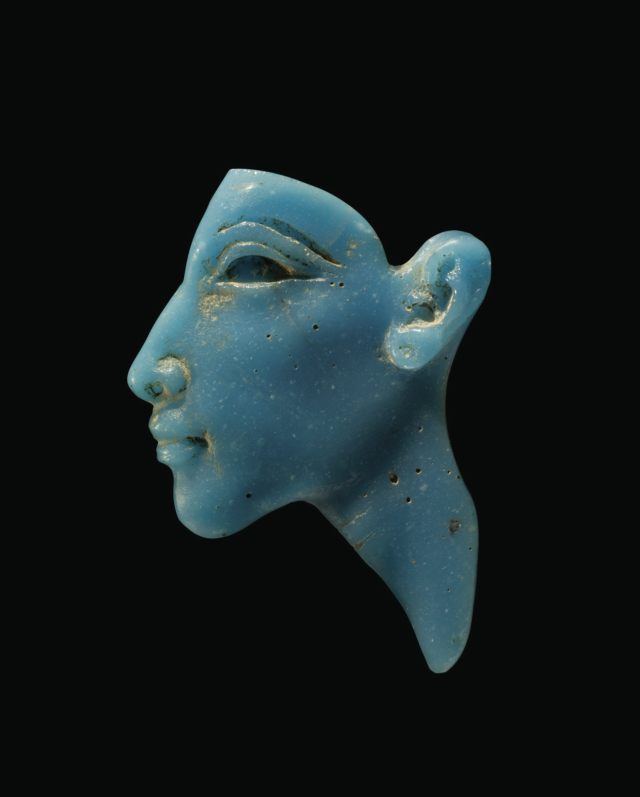

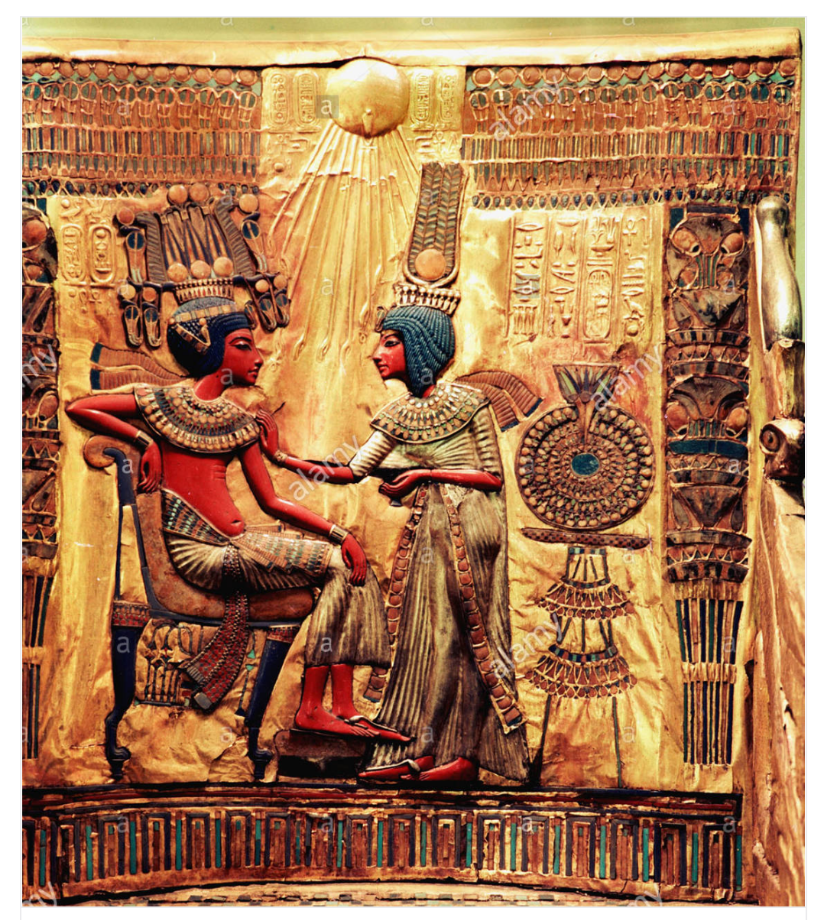
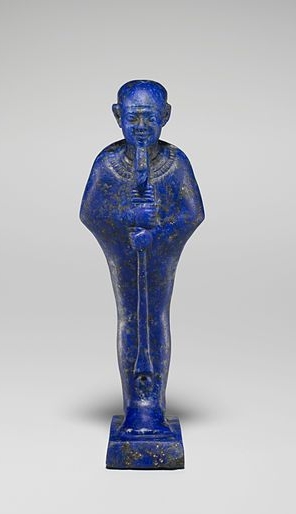


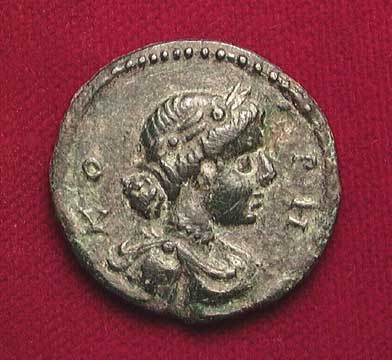


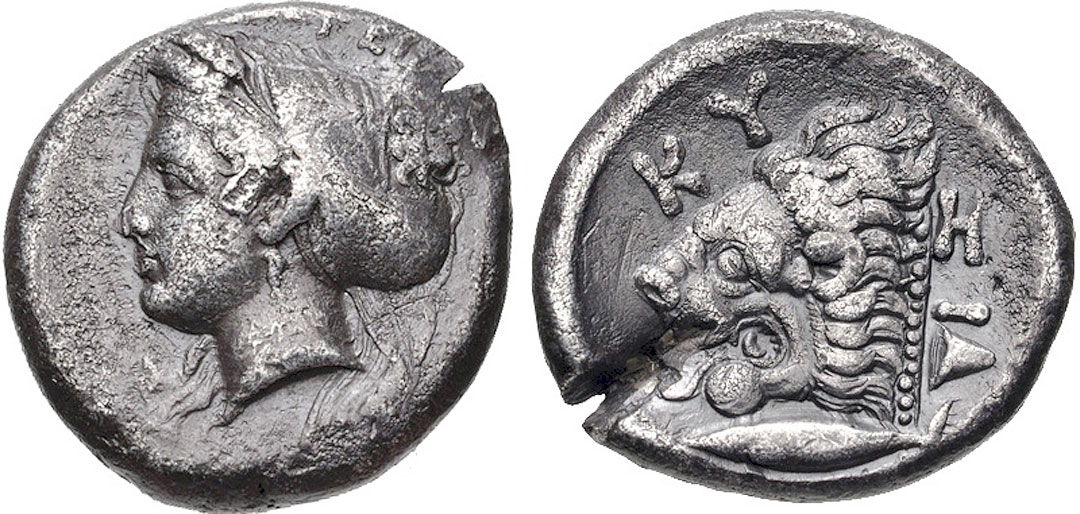
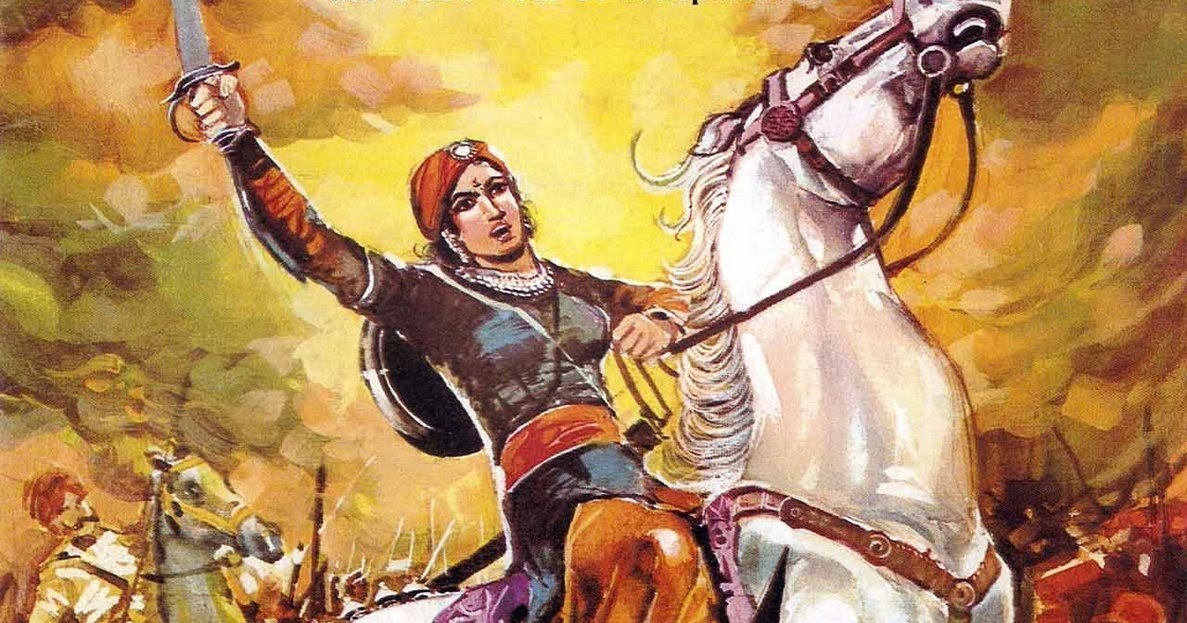

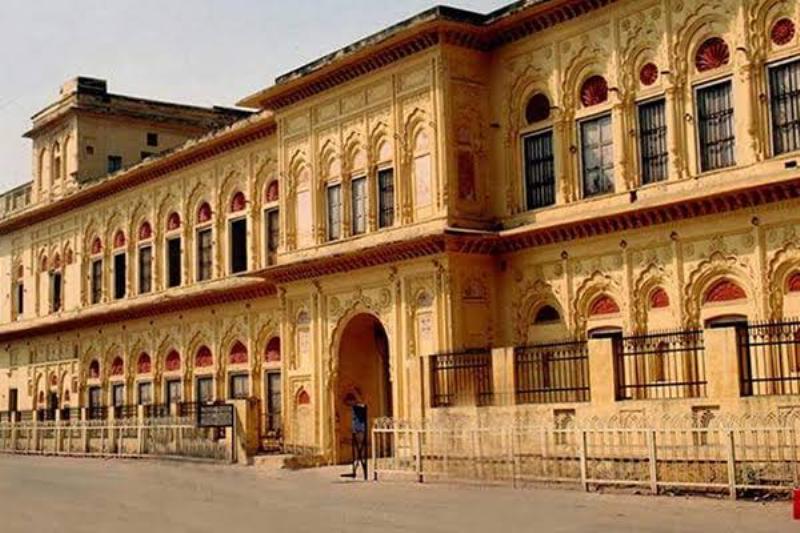


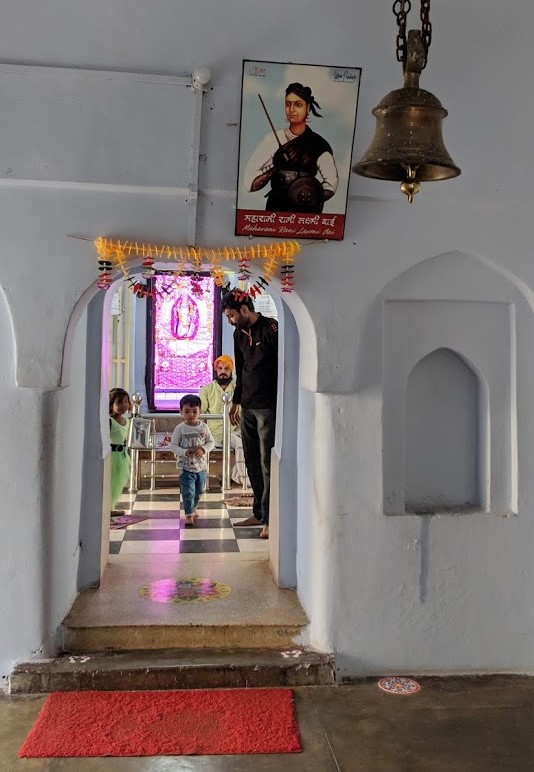

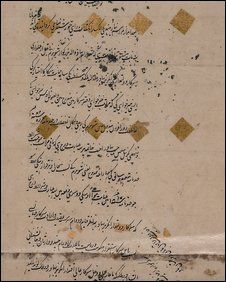
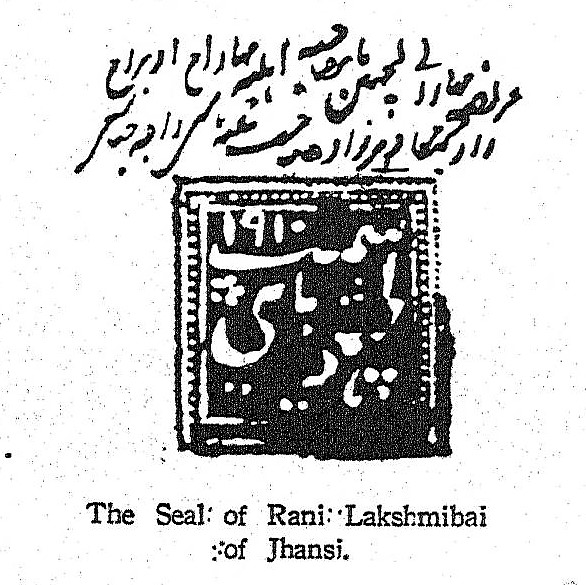
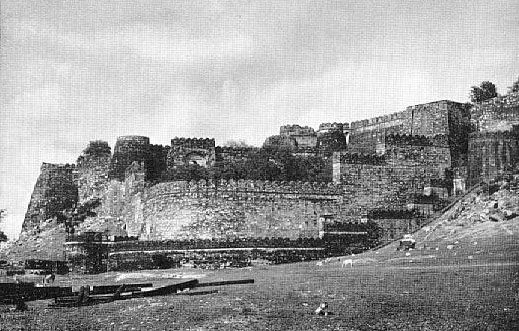


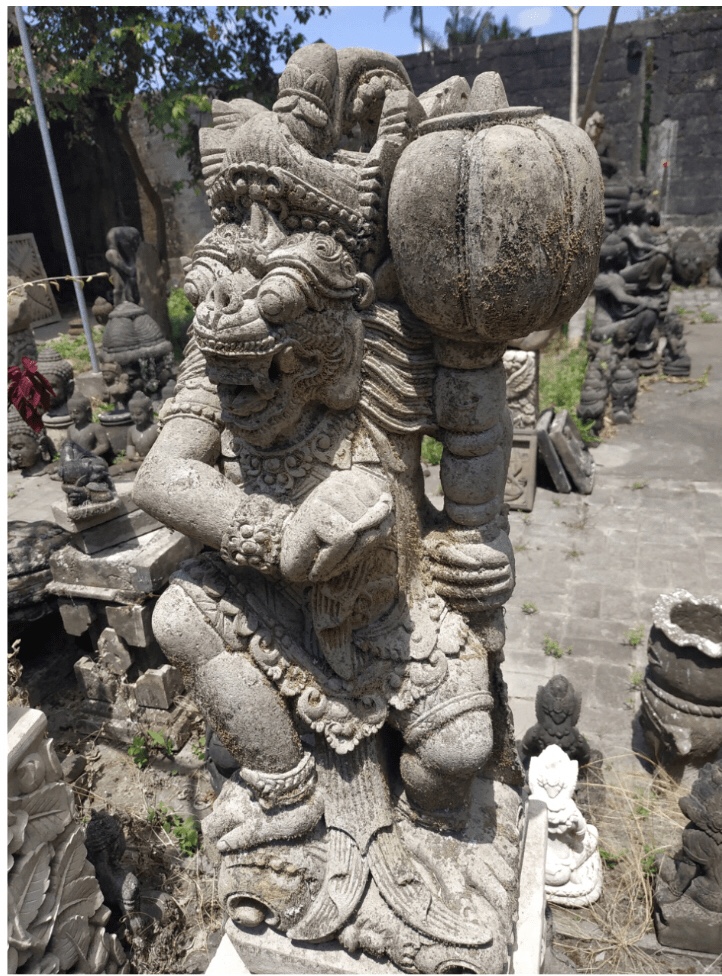


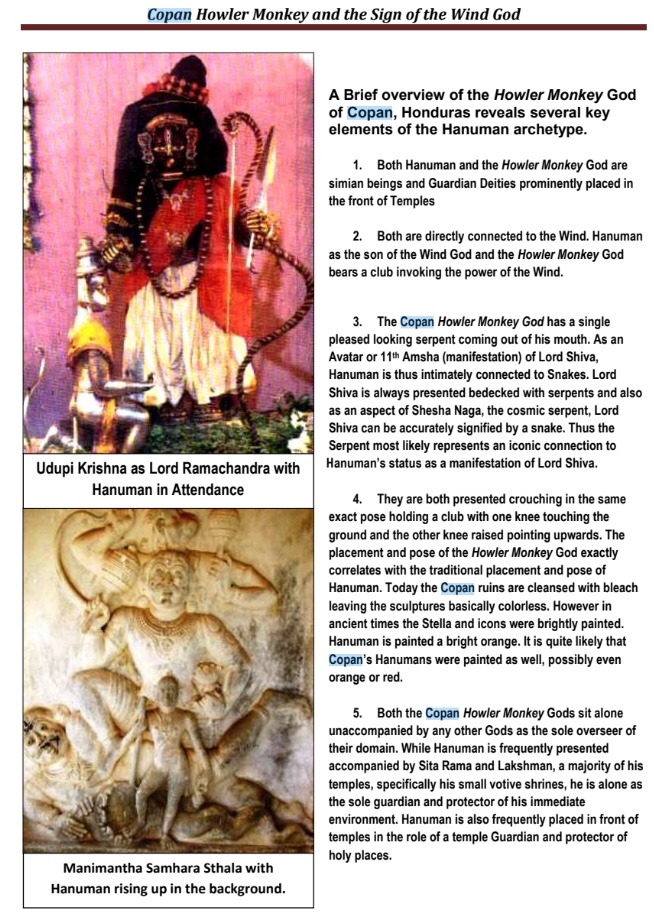


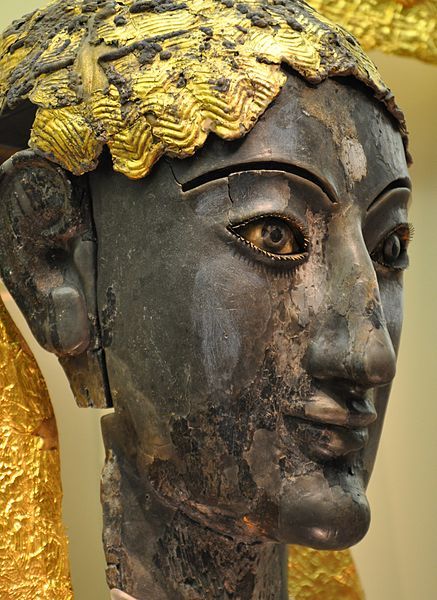


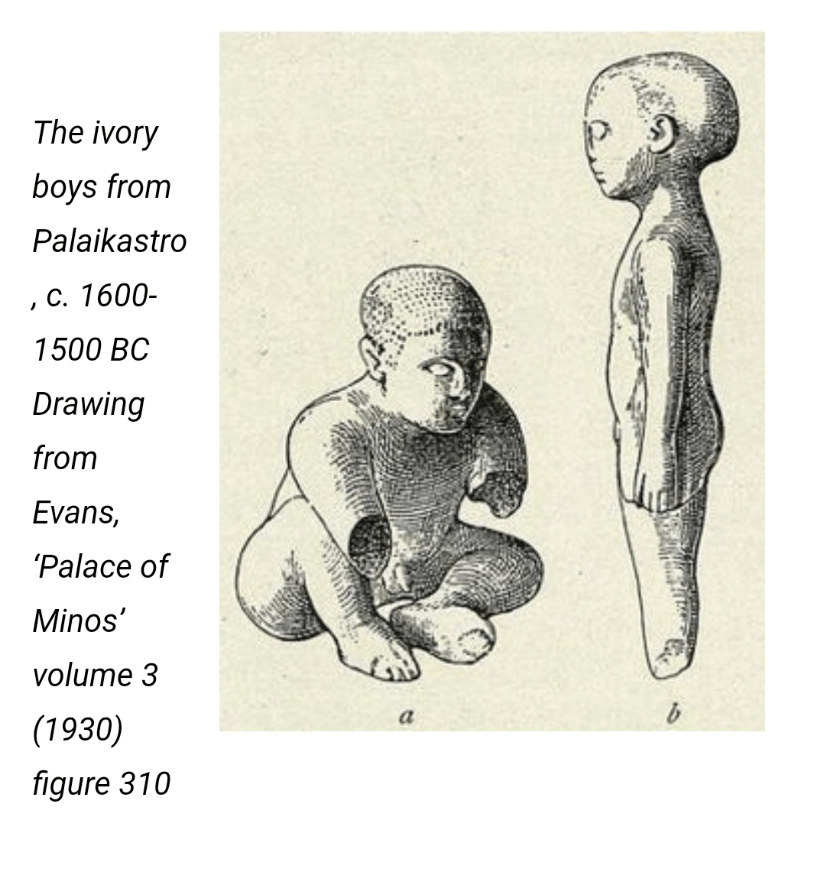
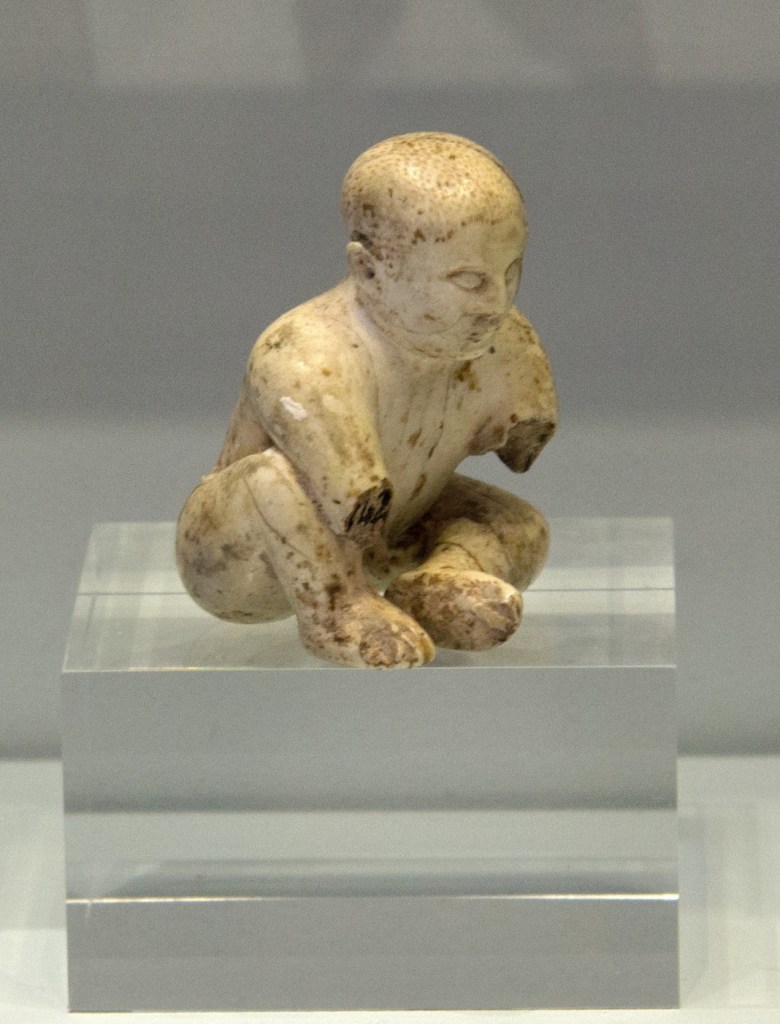

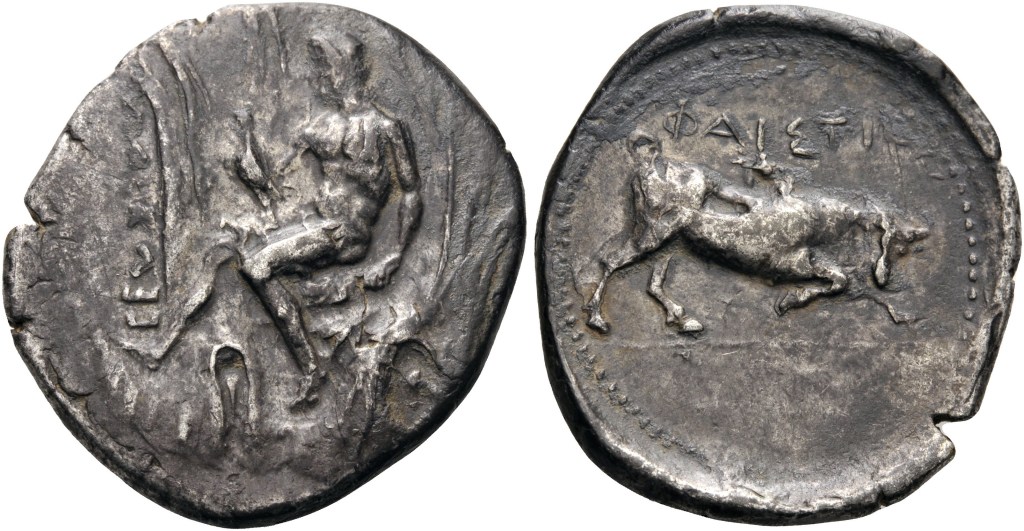
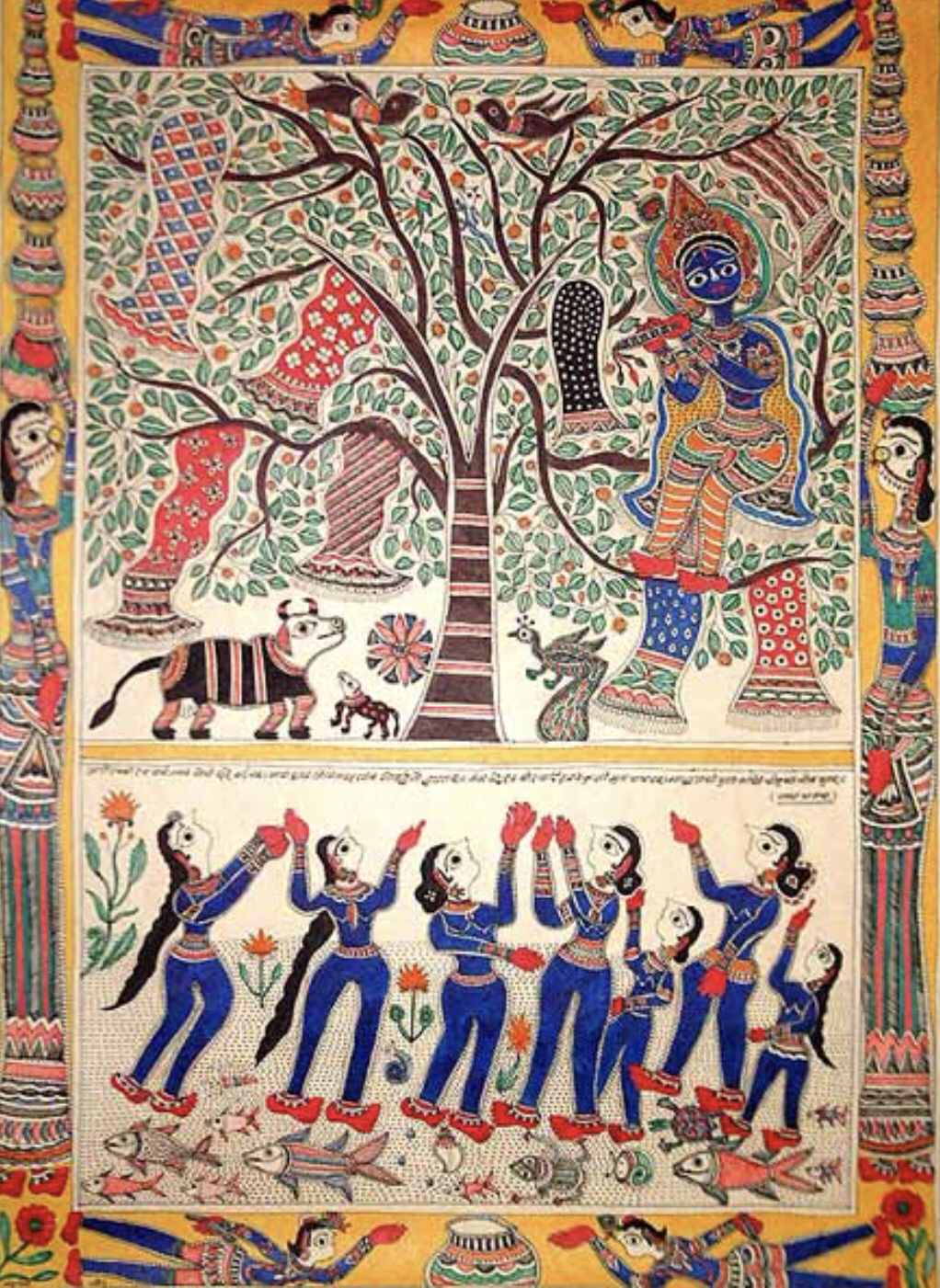
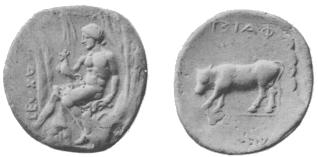


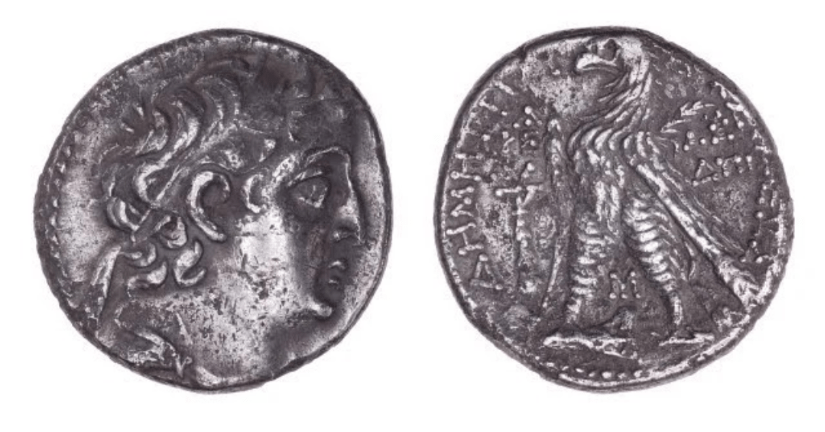
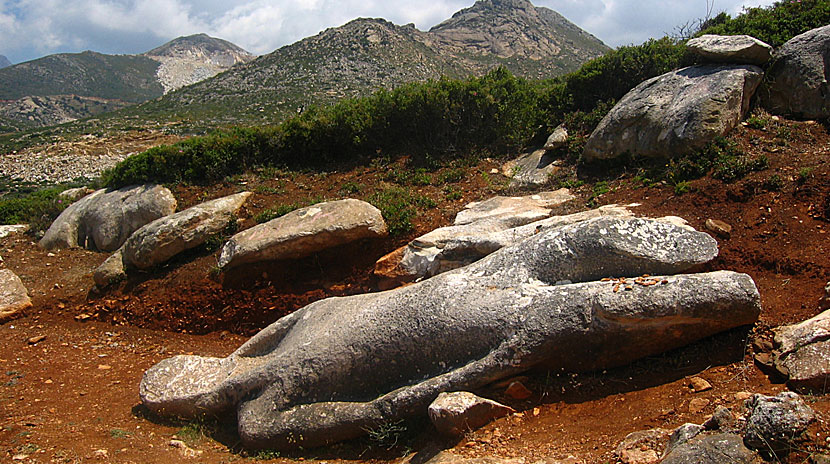

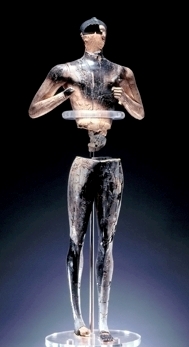
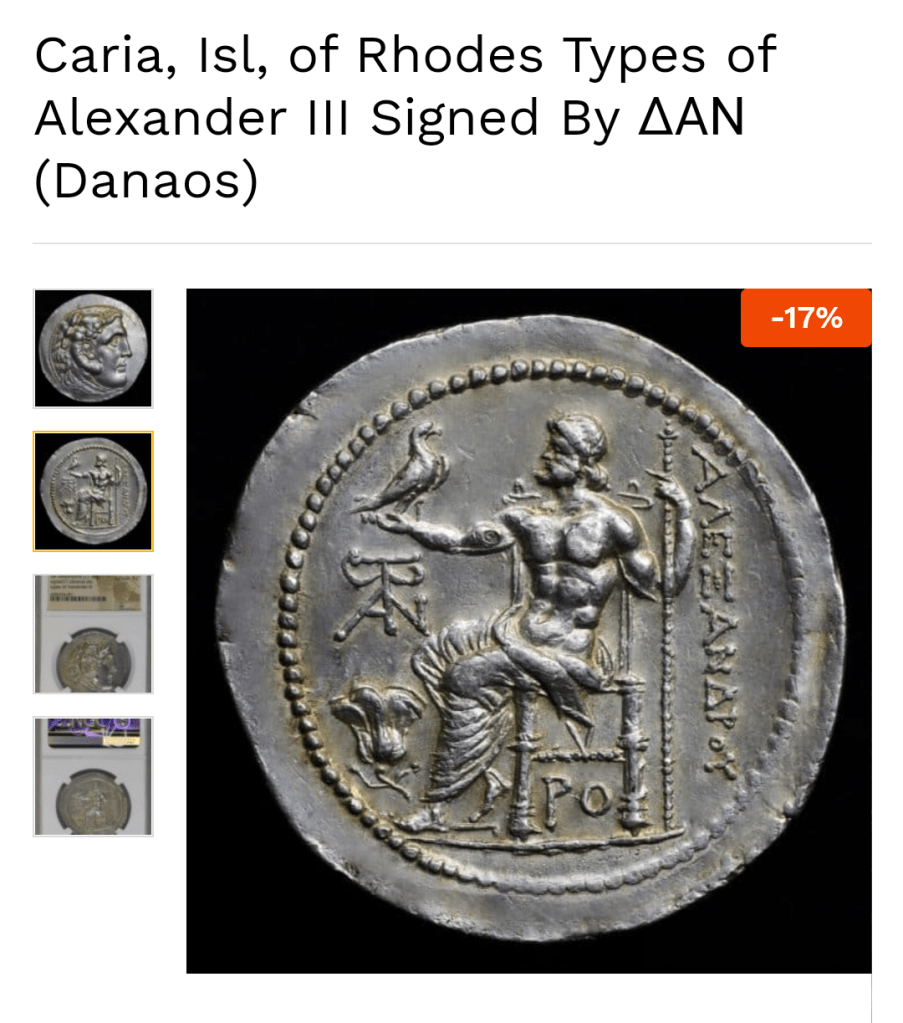

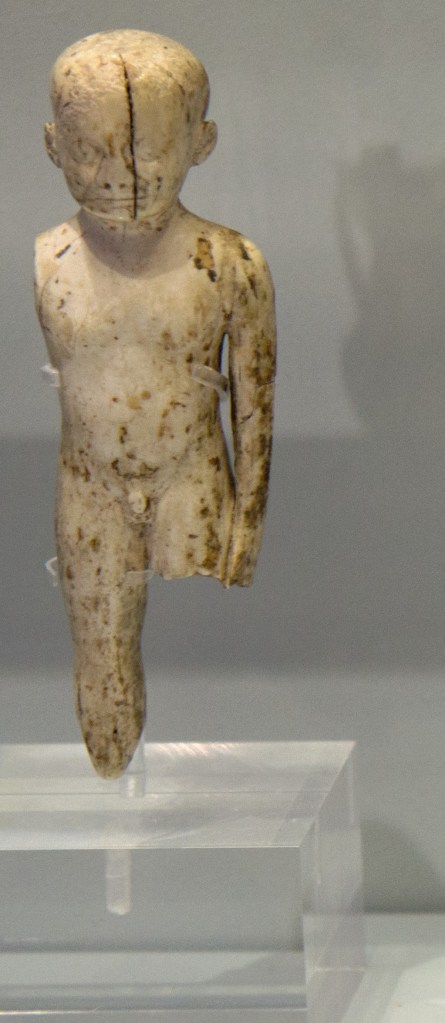


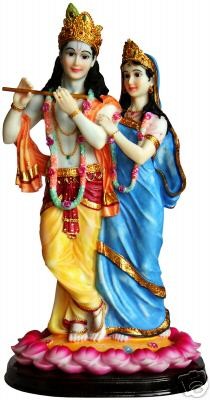



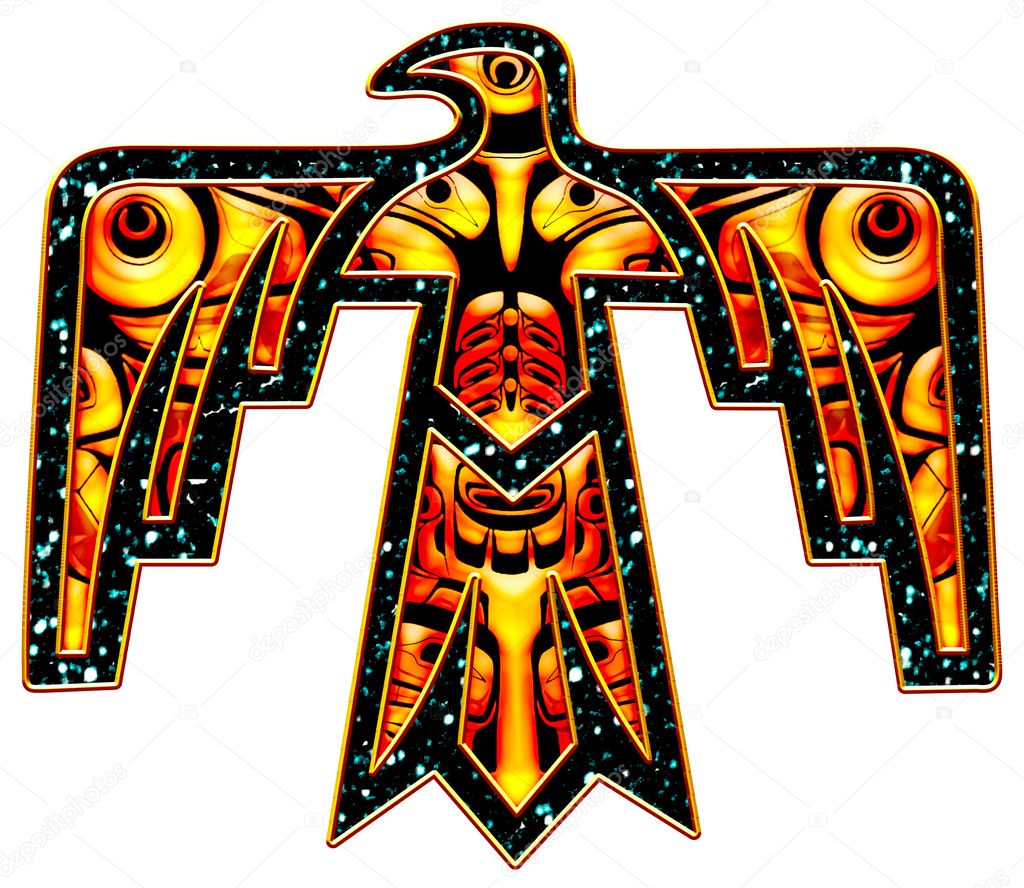

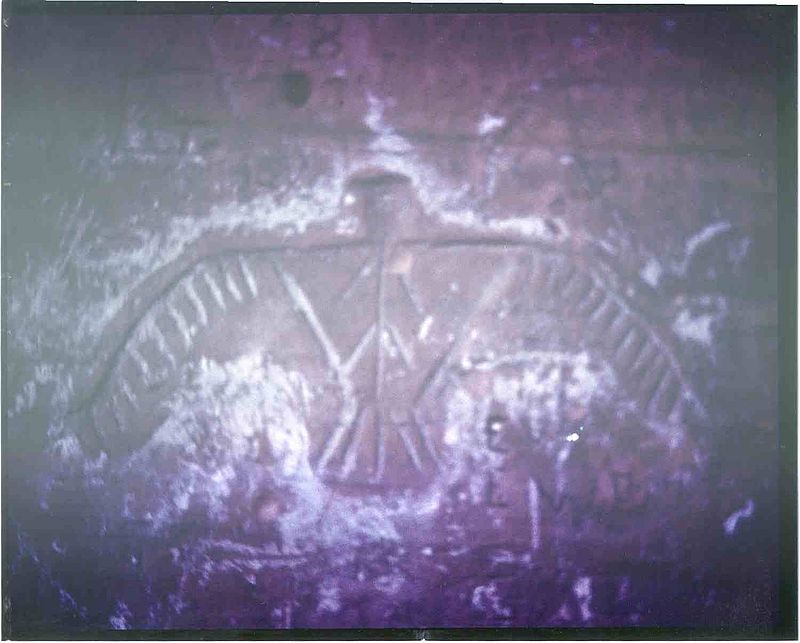
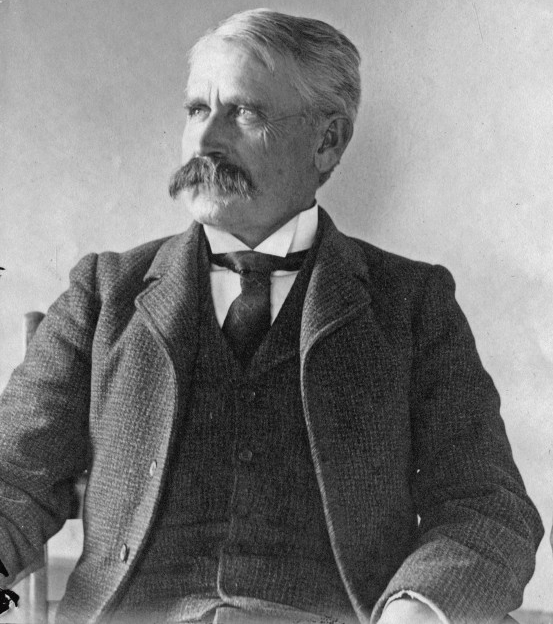
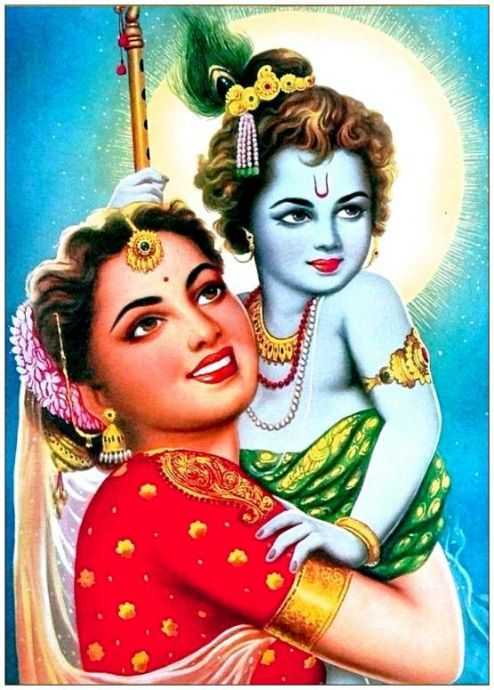



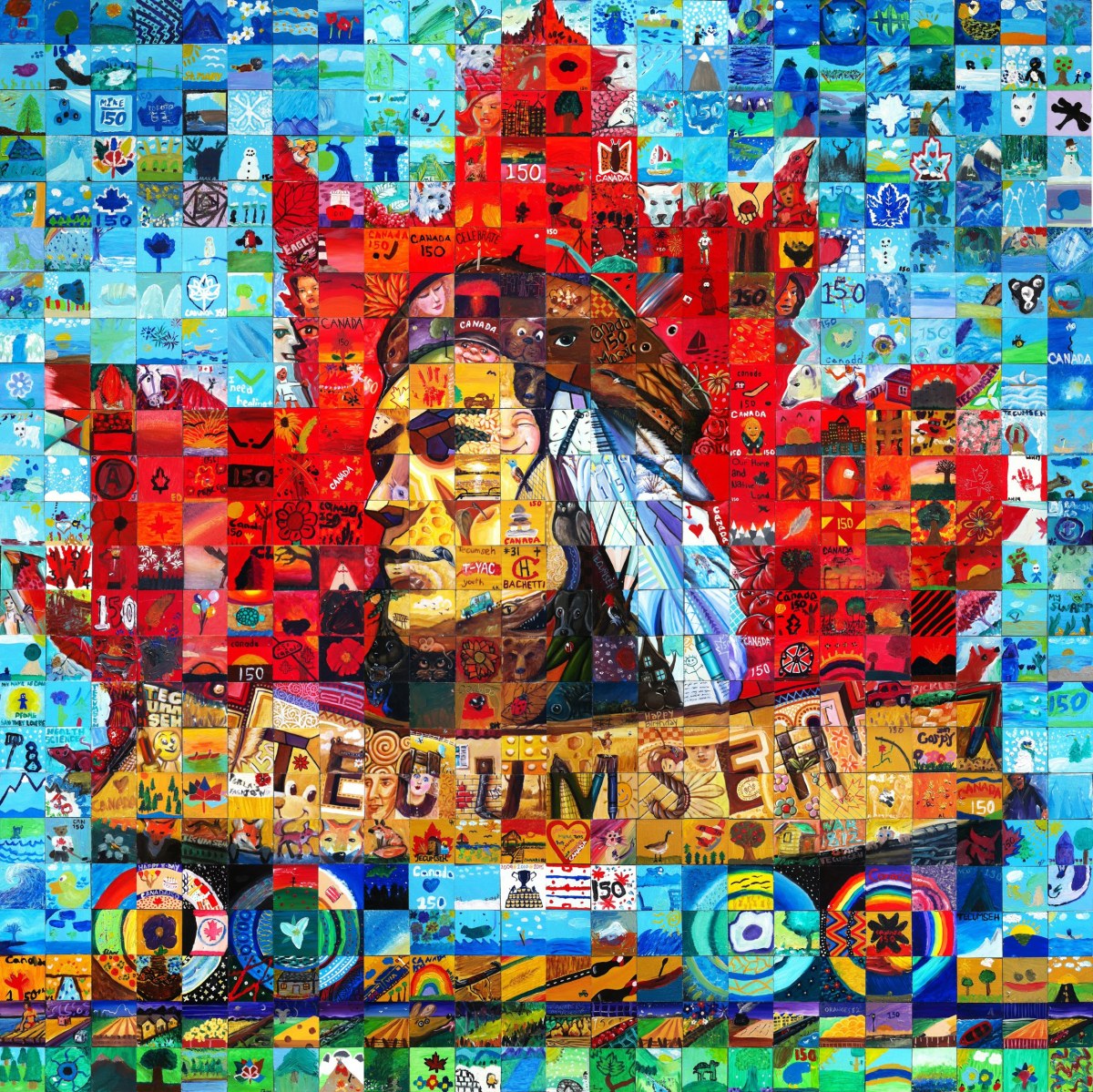
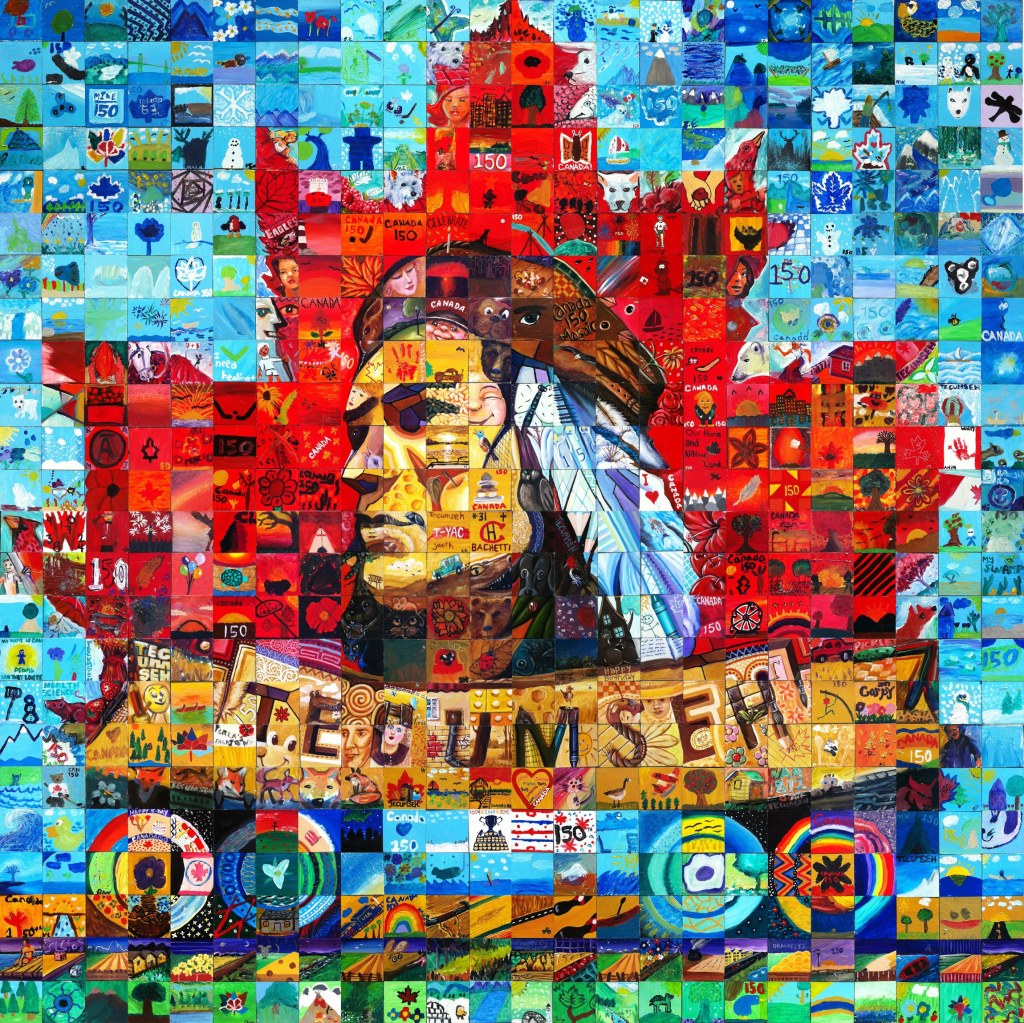



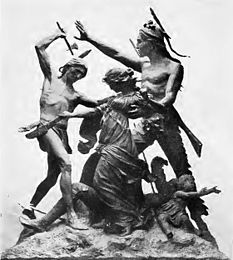

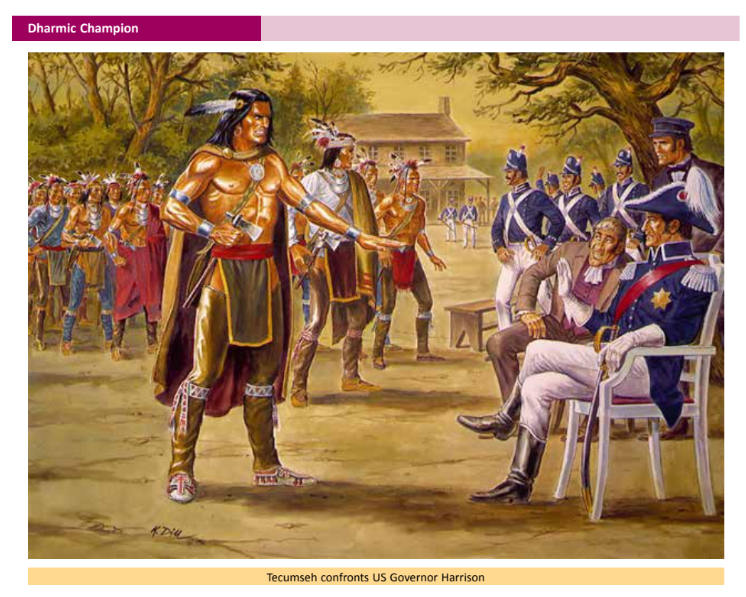

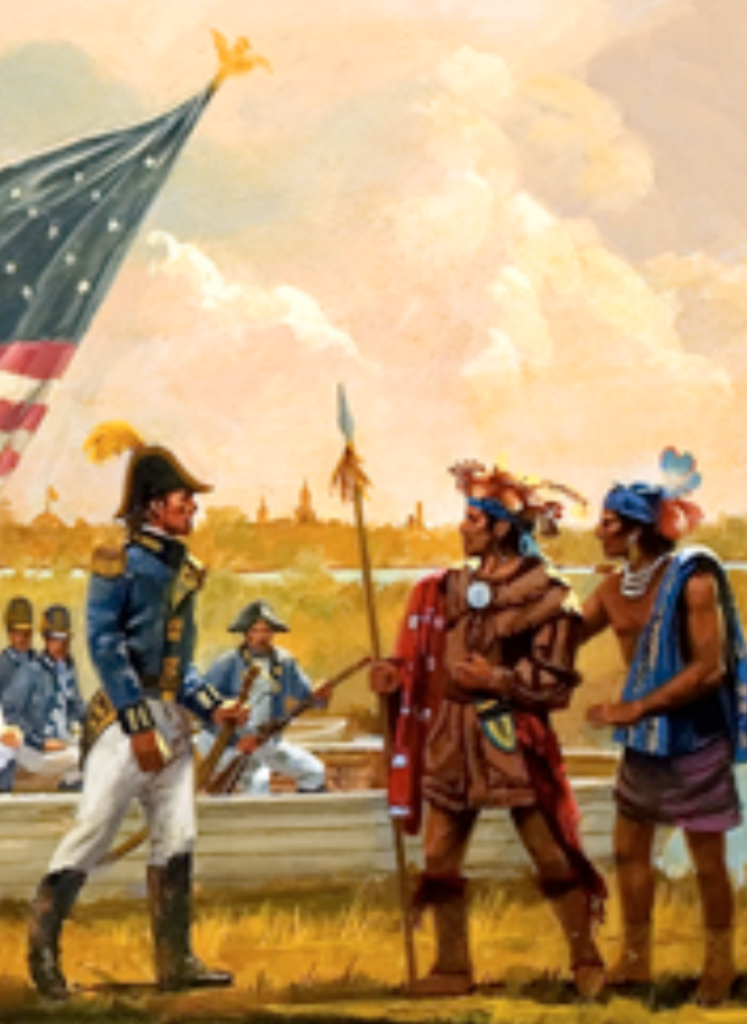


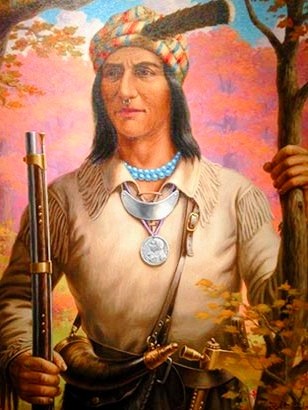

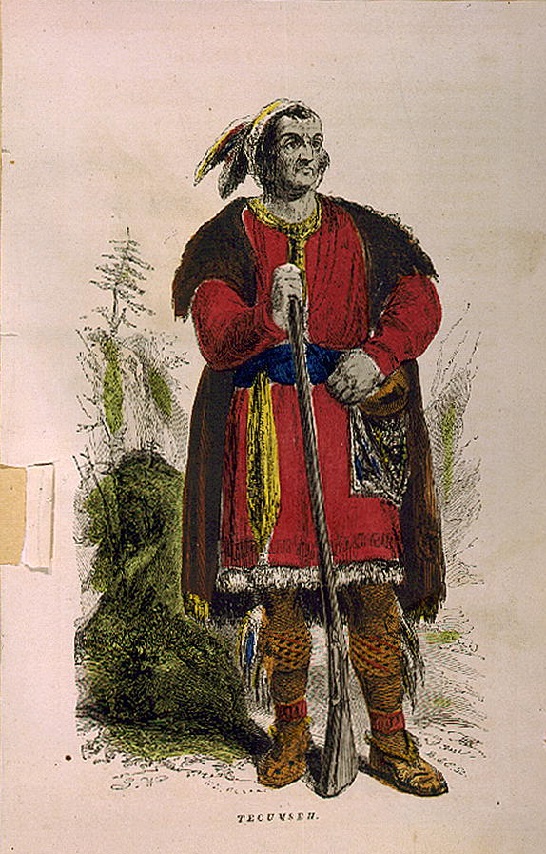
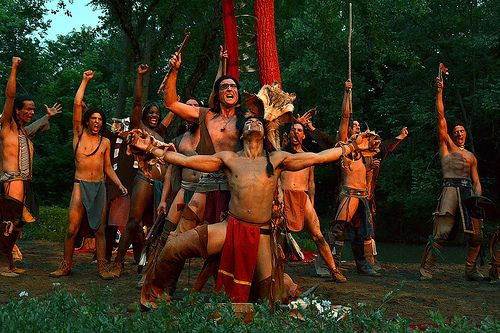

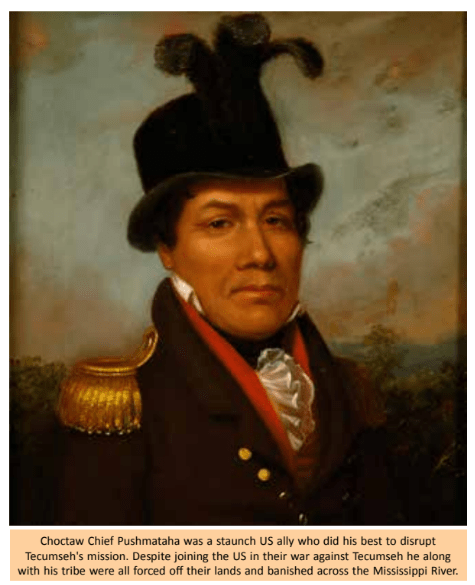
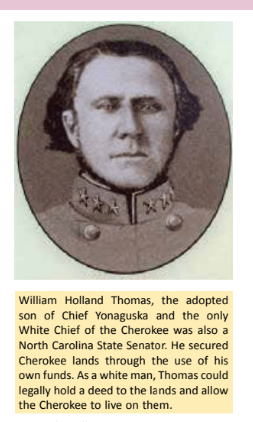

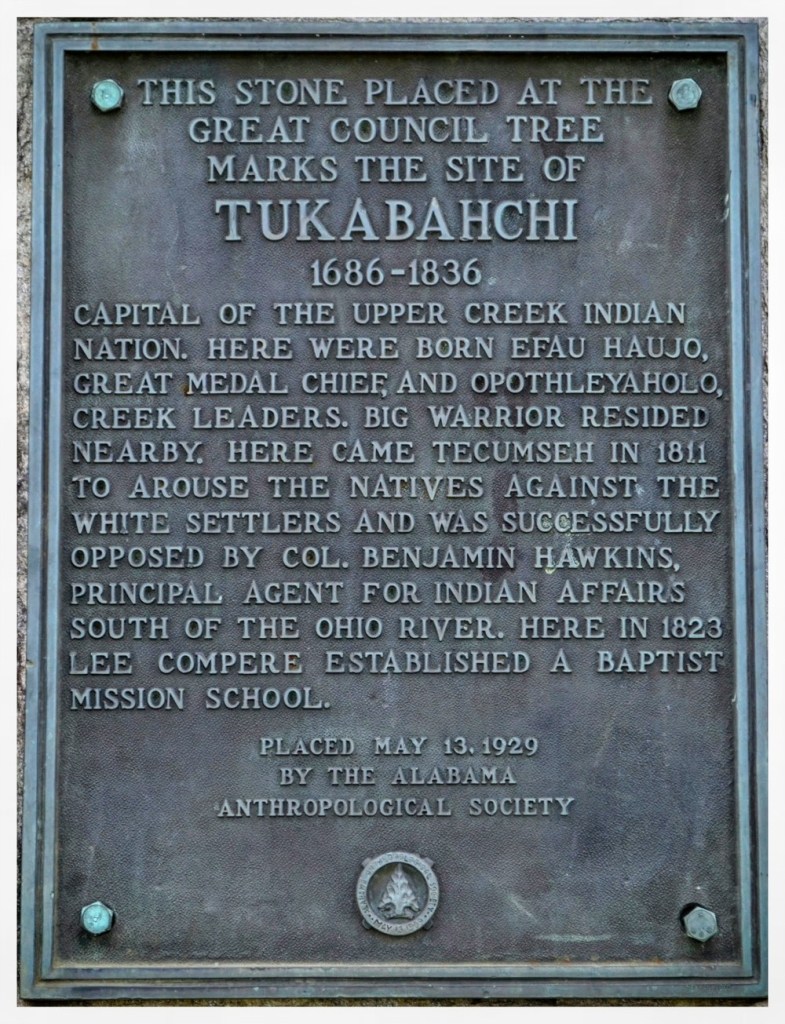
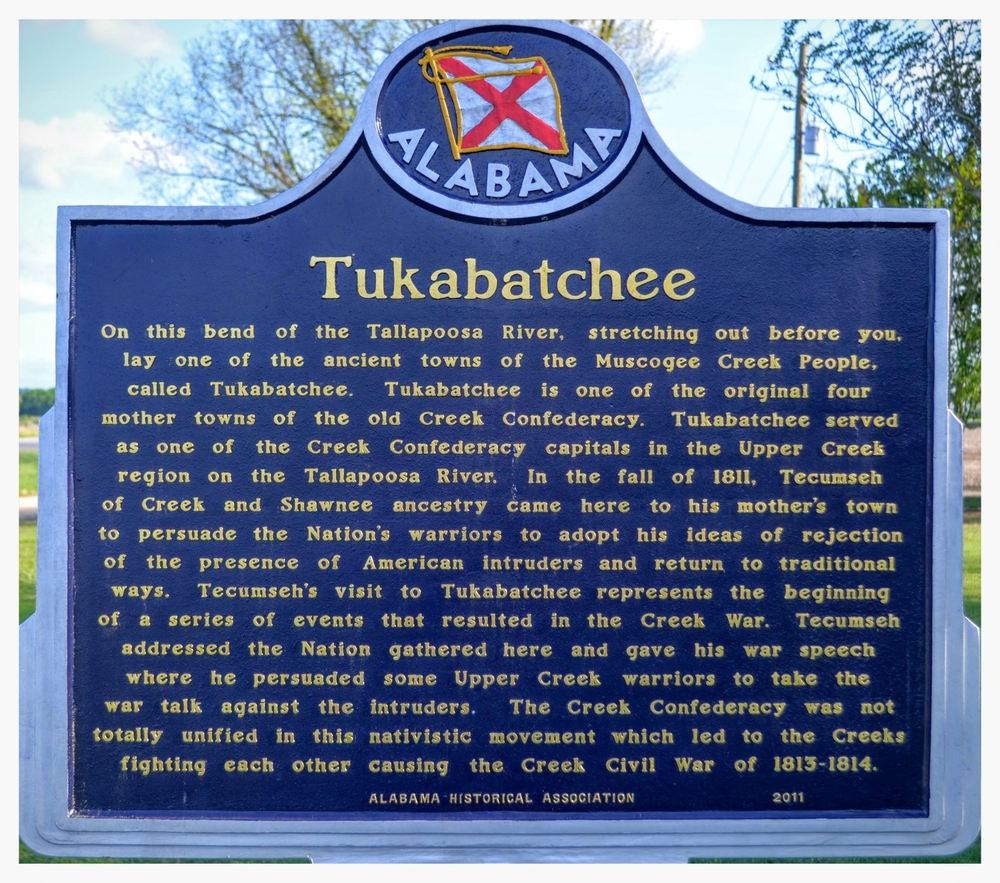
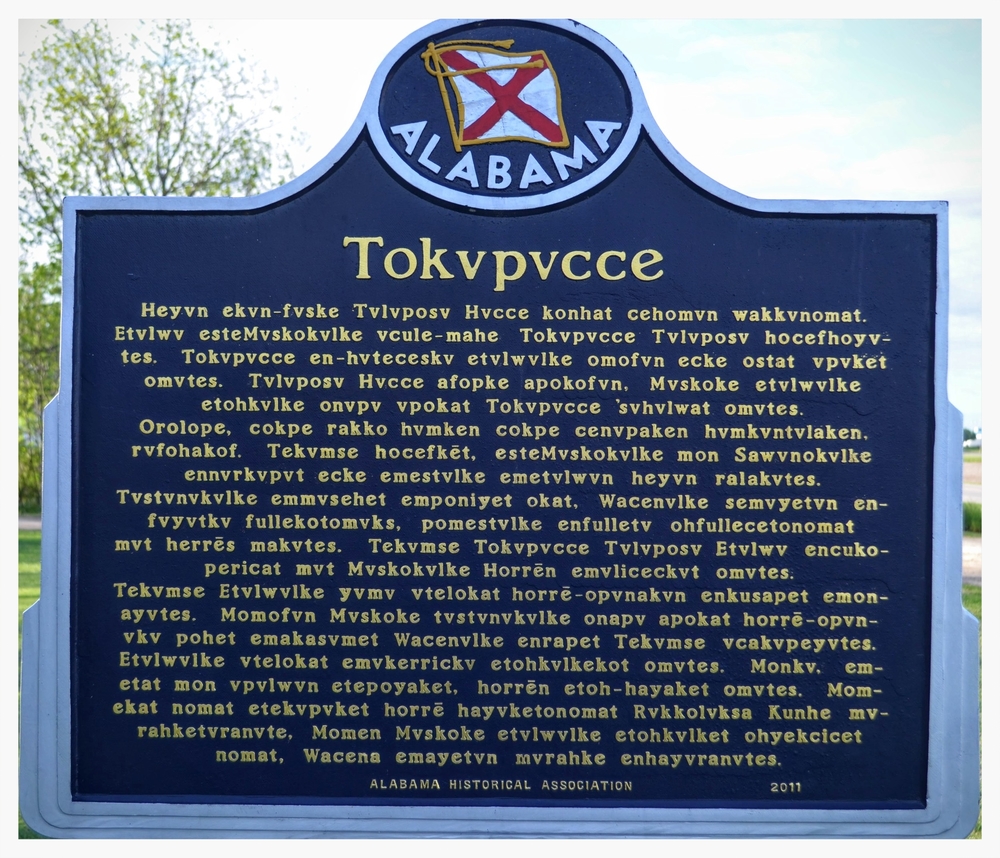


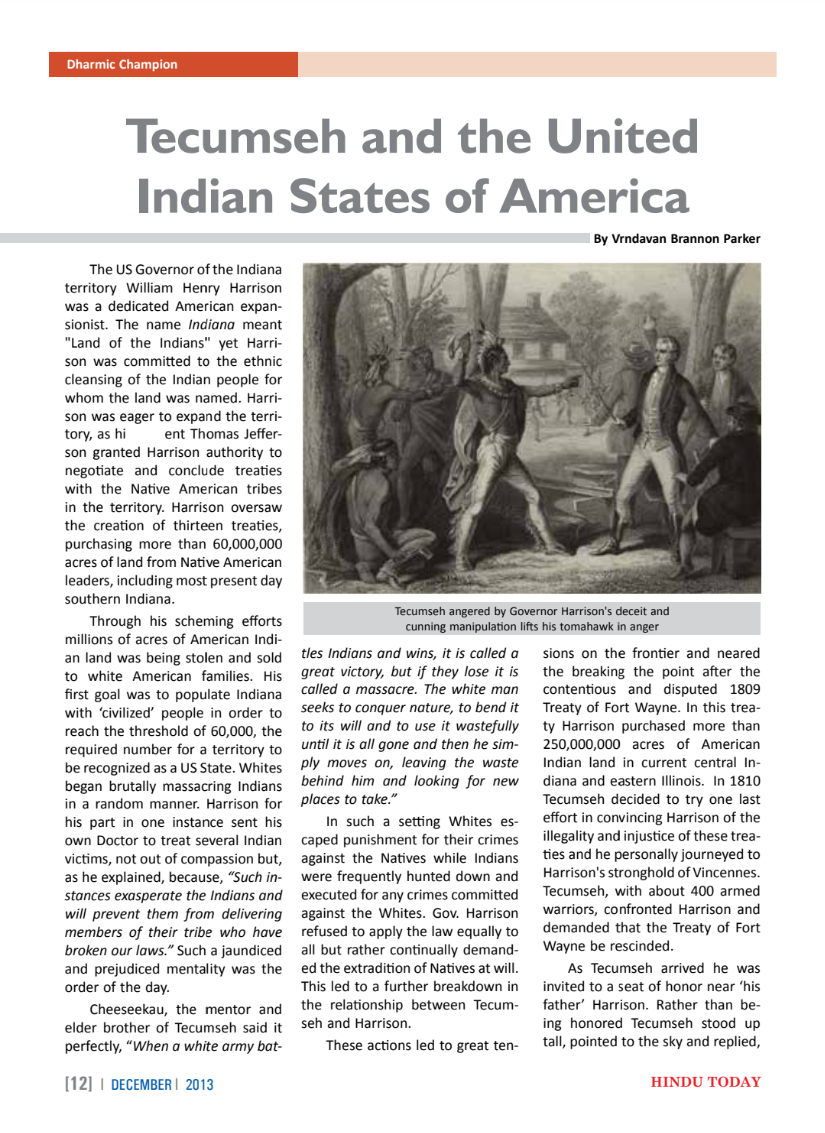


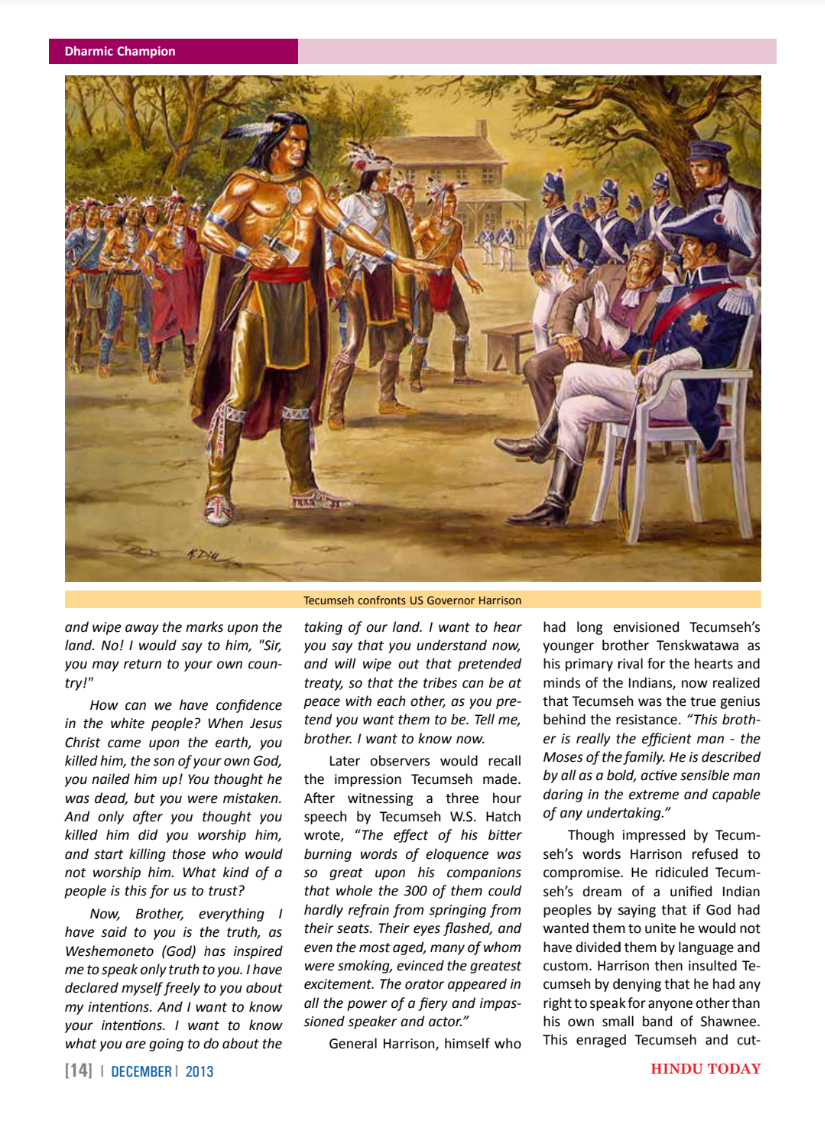

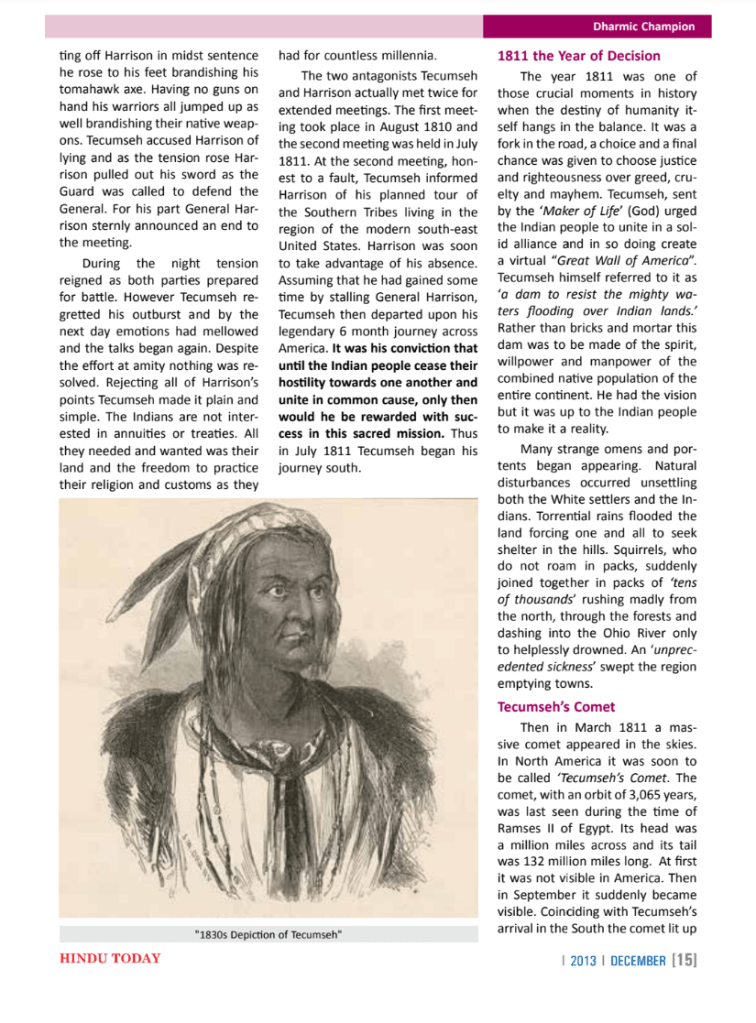
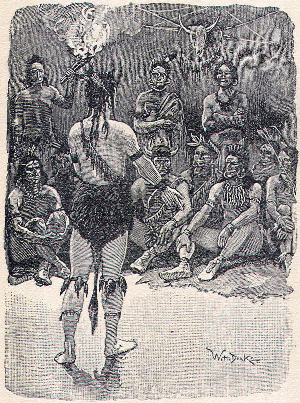
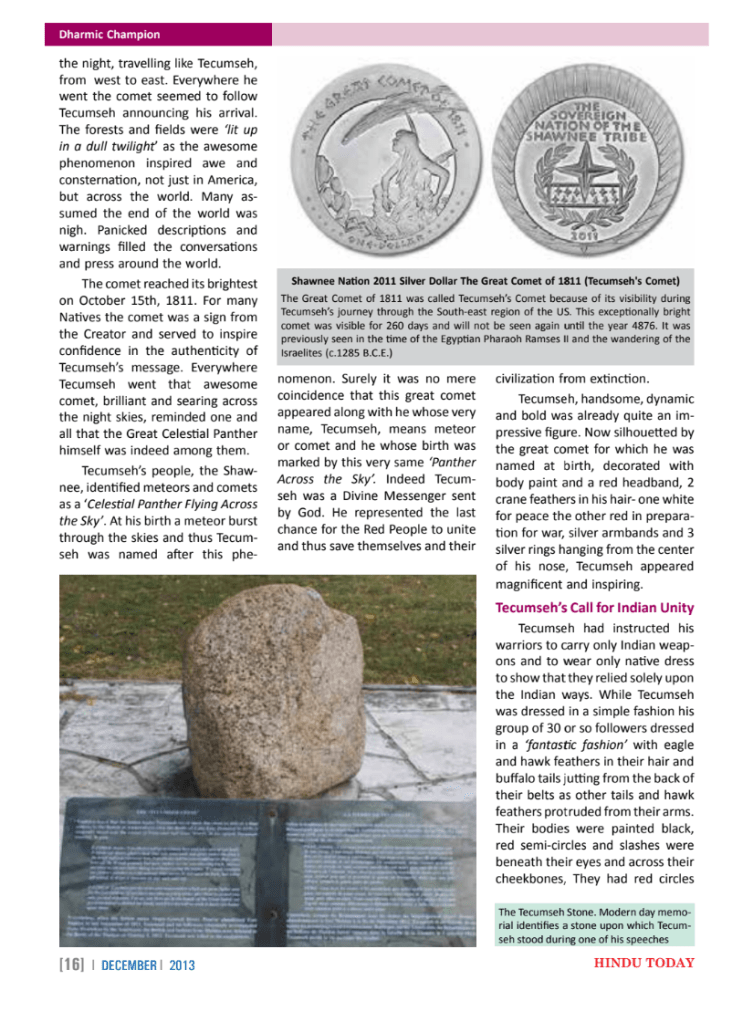

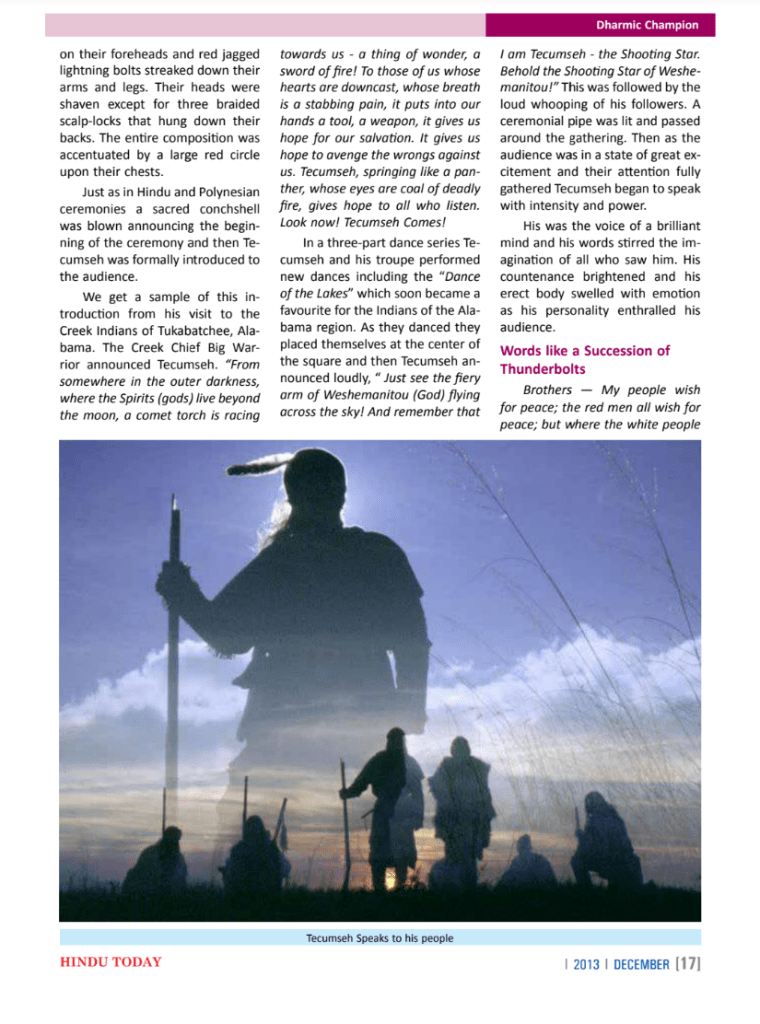
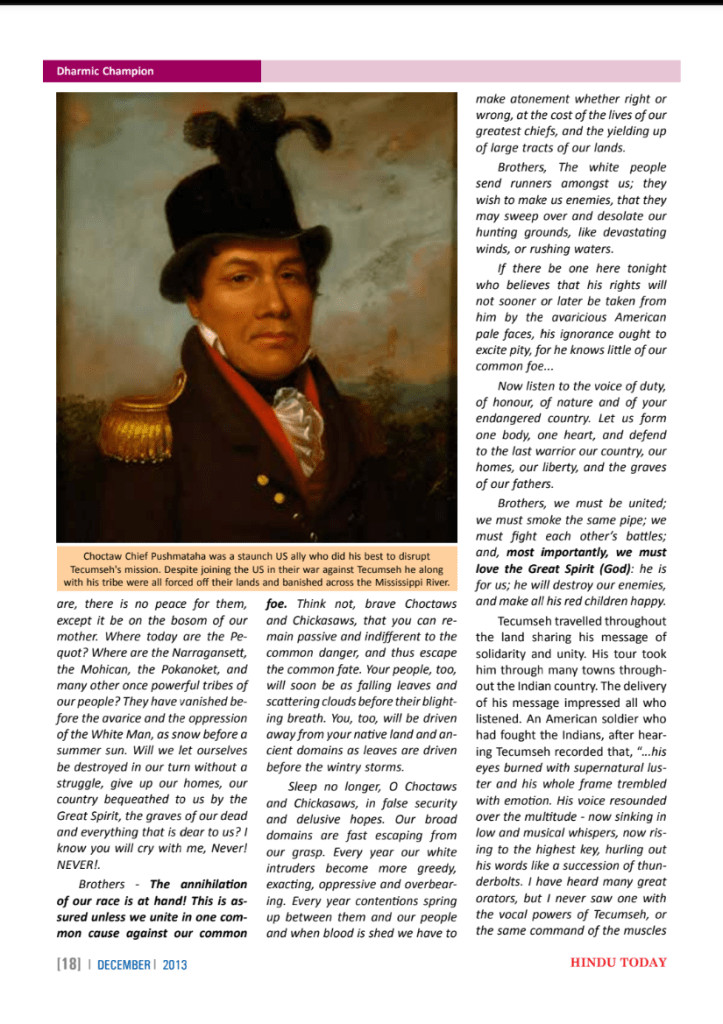
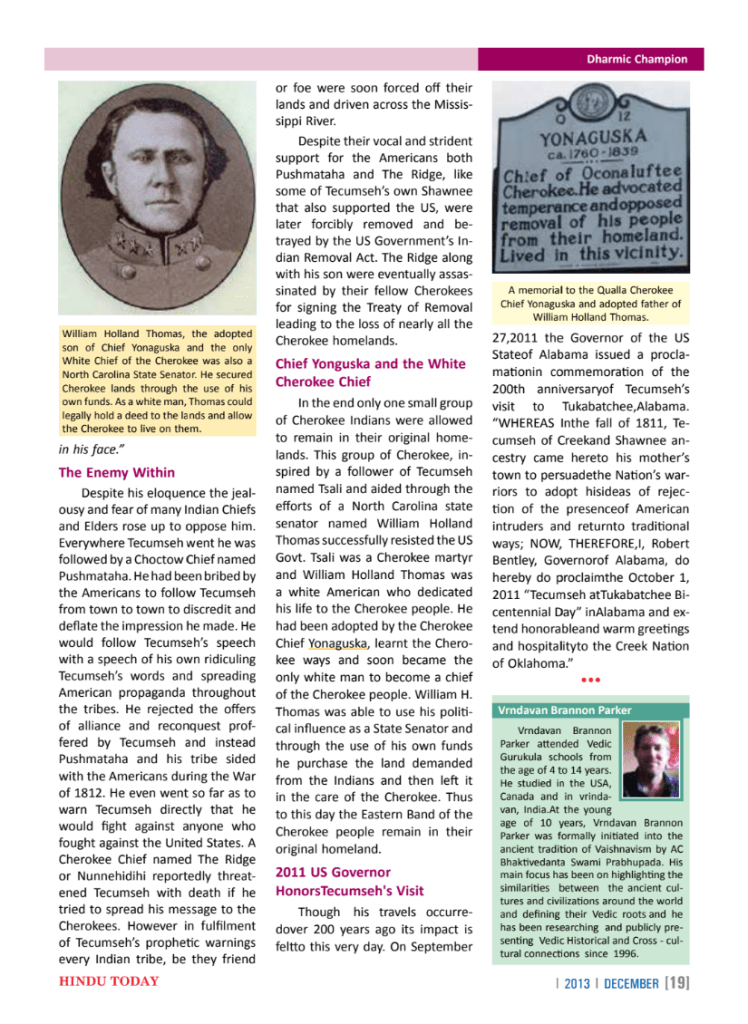
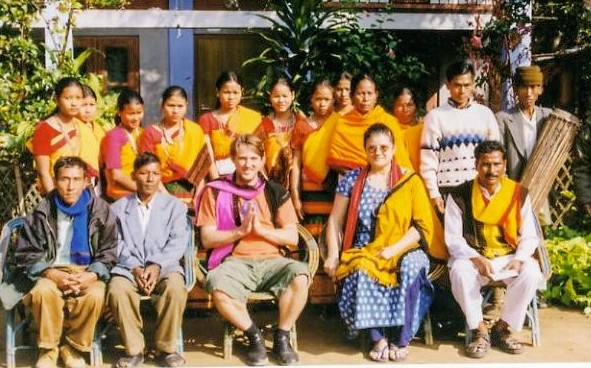


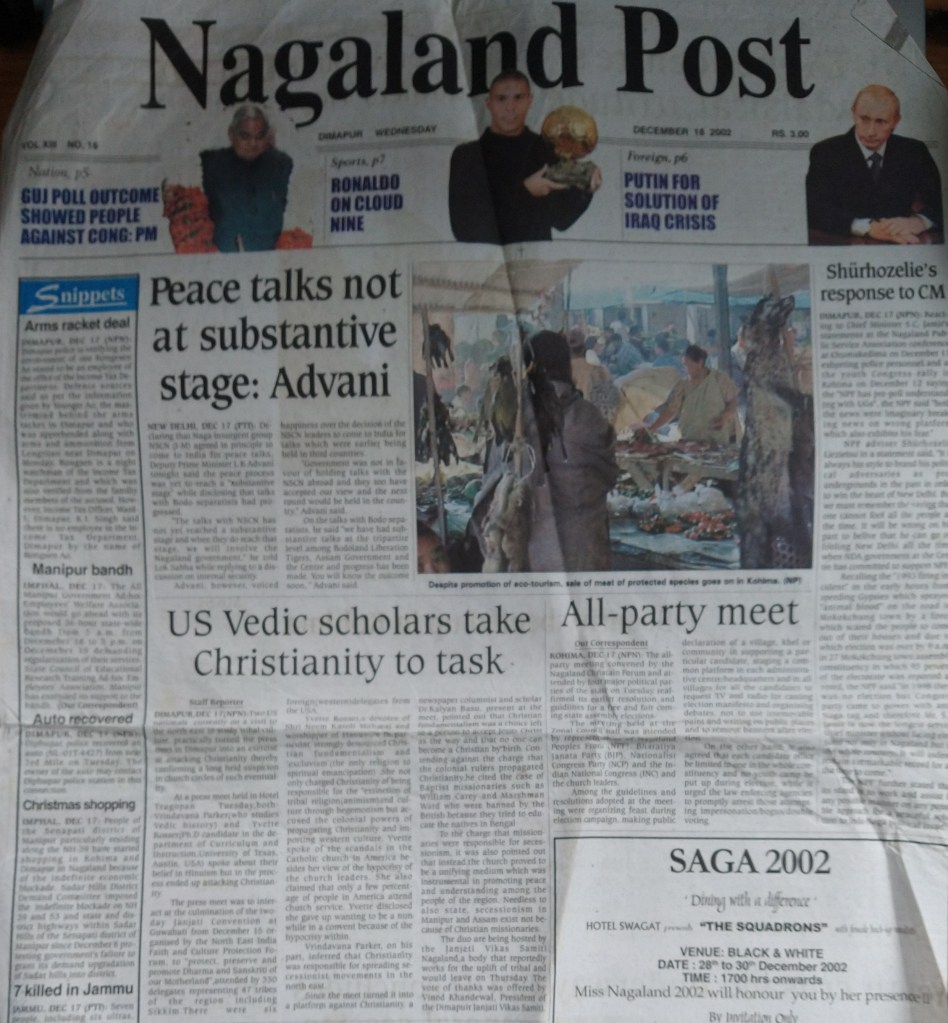
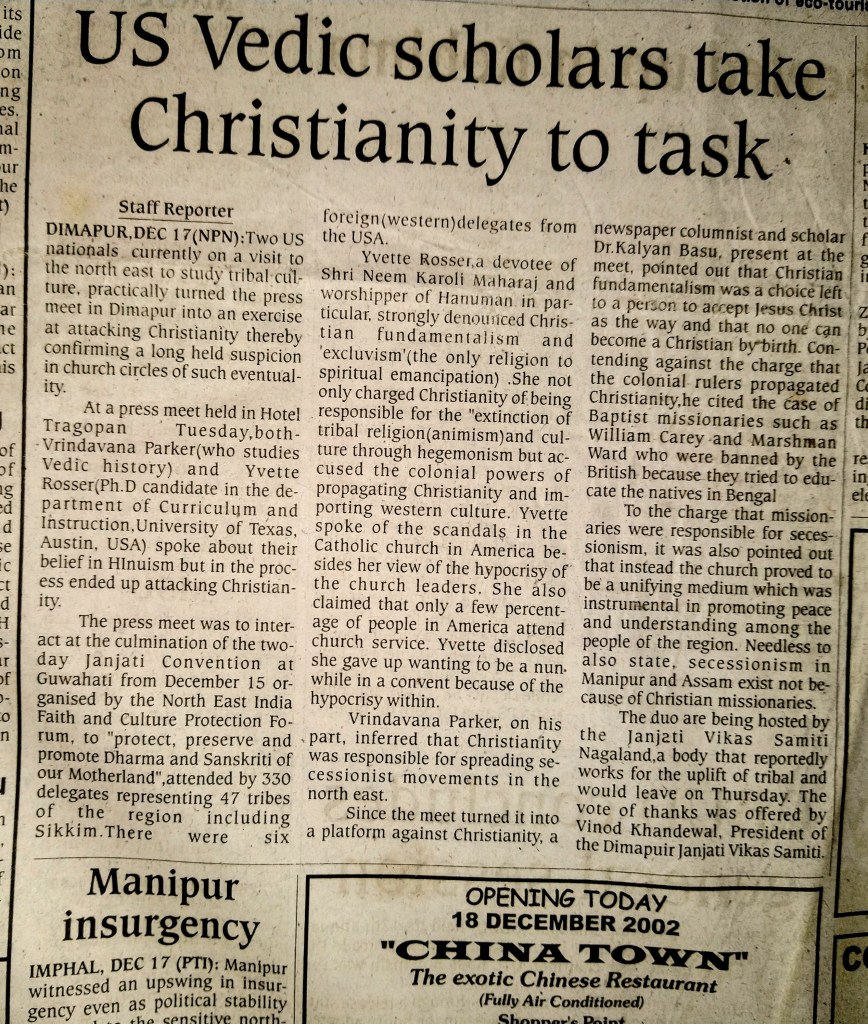

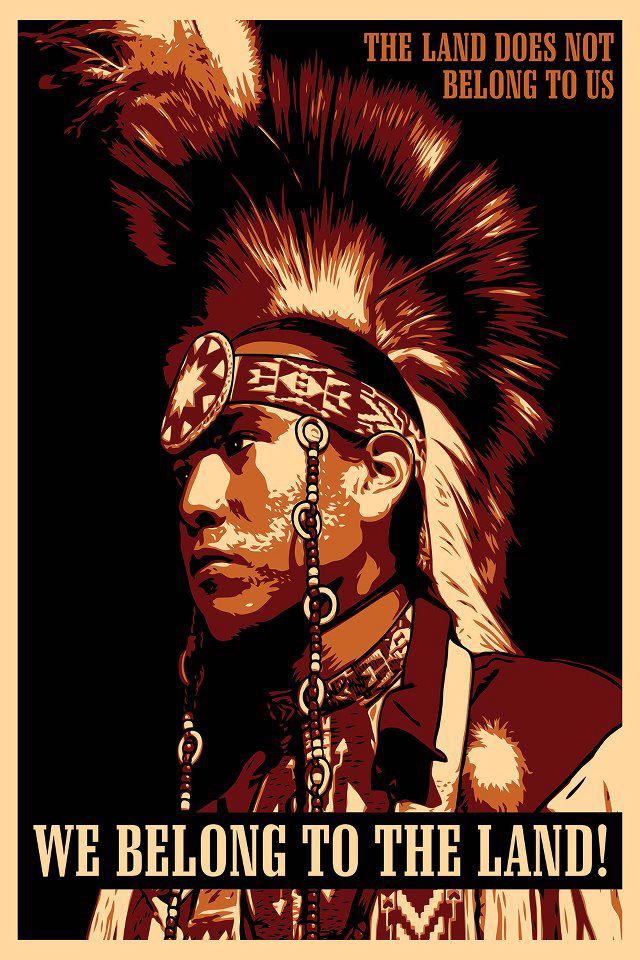


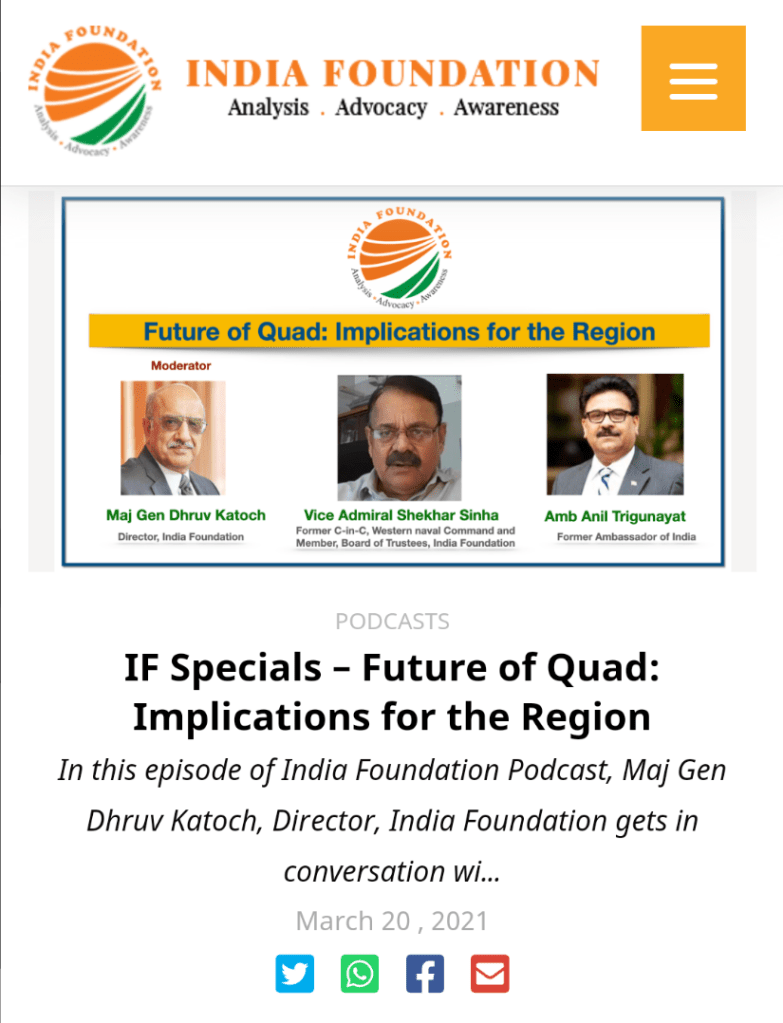
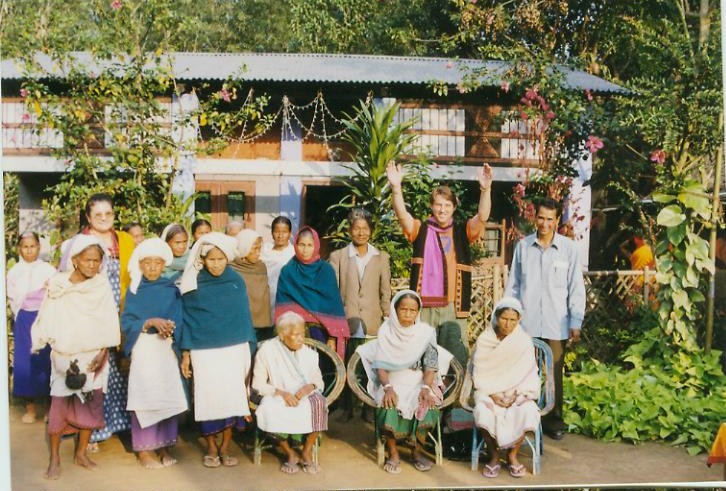

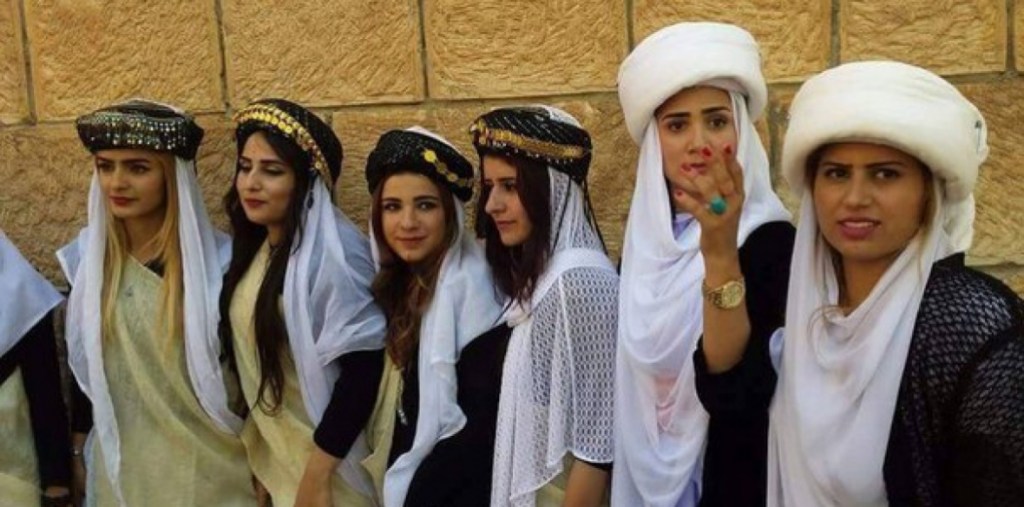





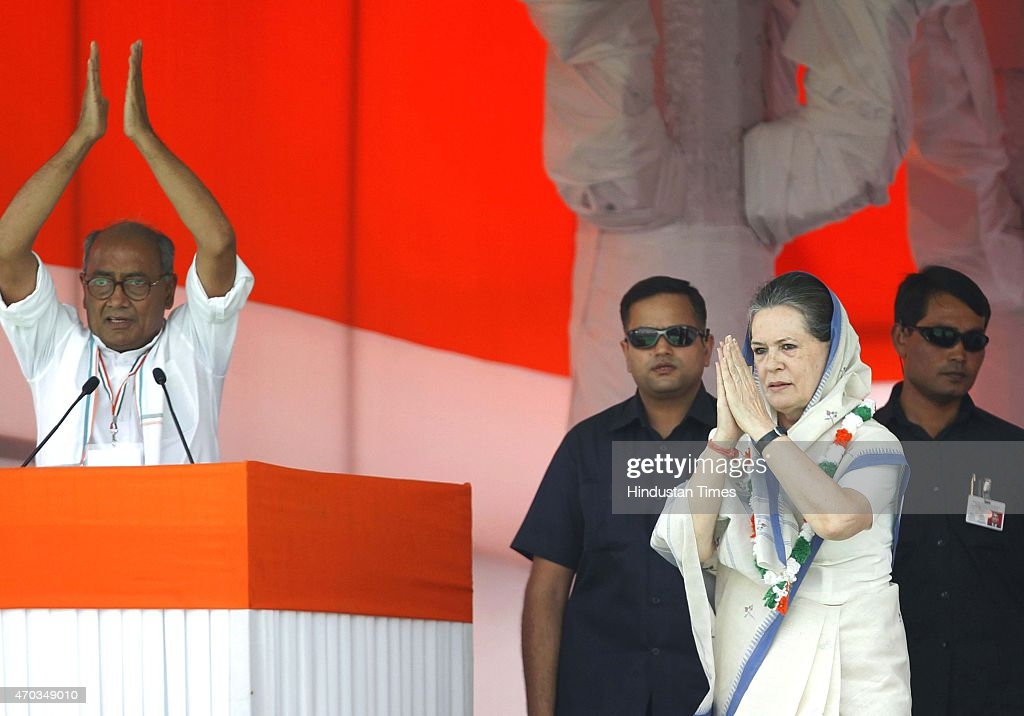
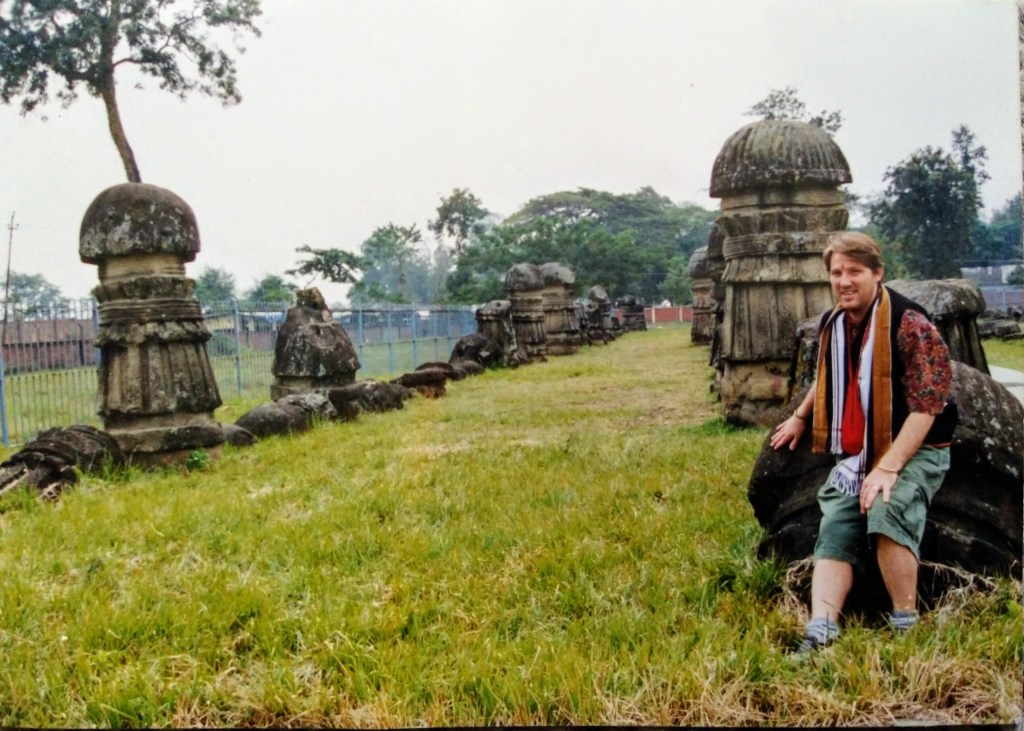


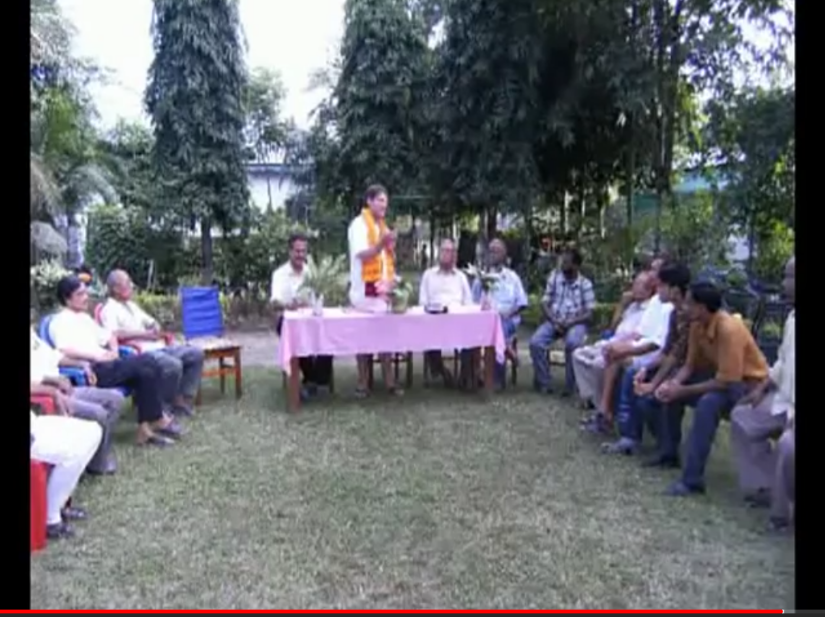


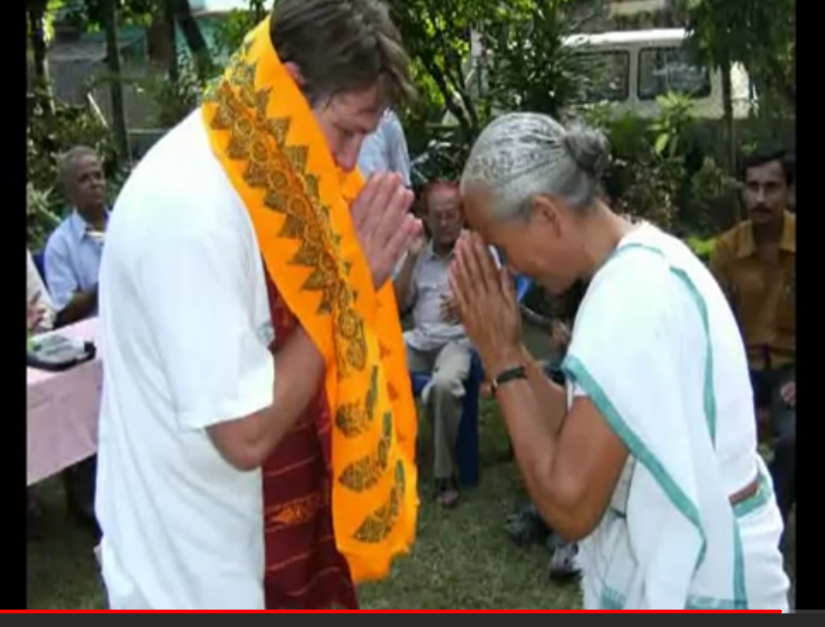


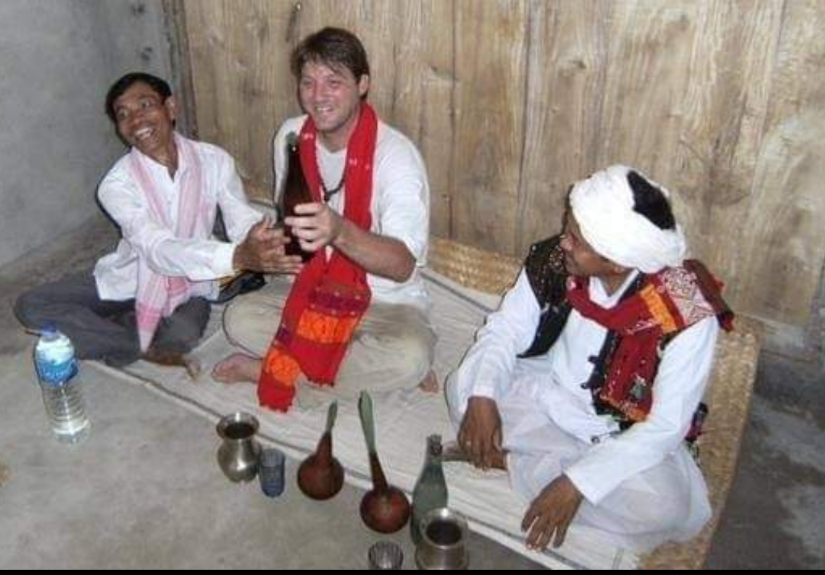


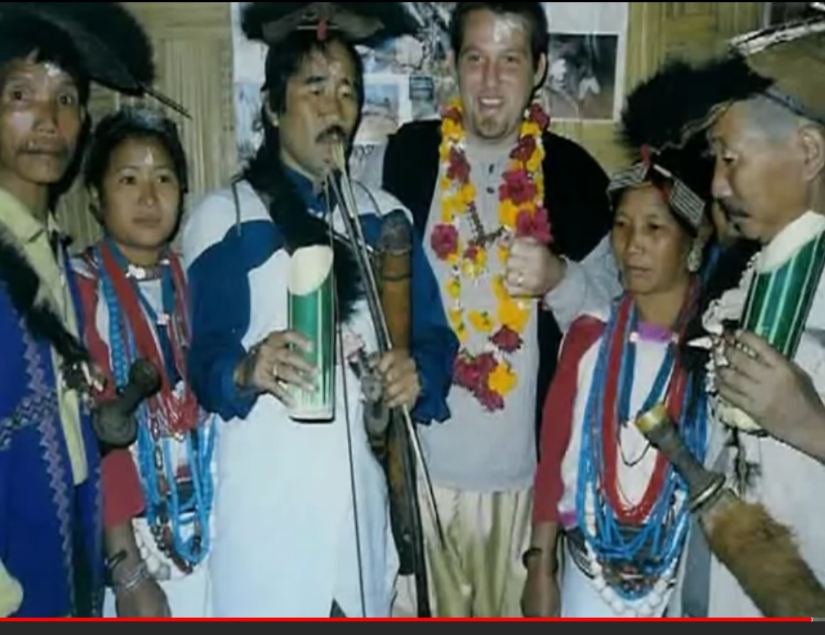


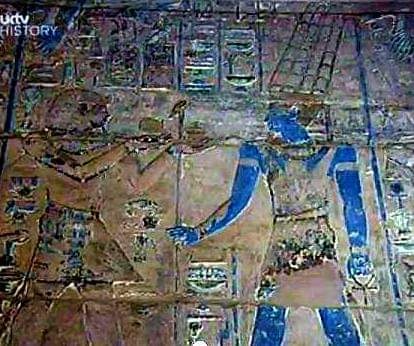



 History & Culture