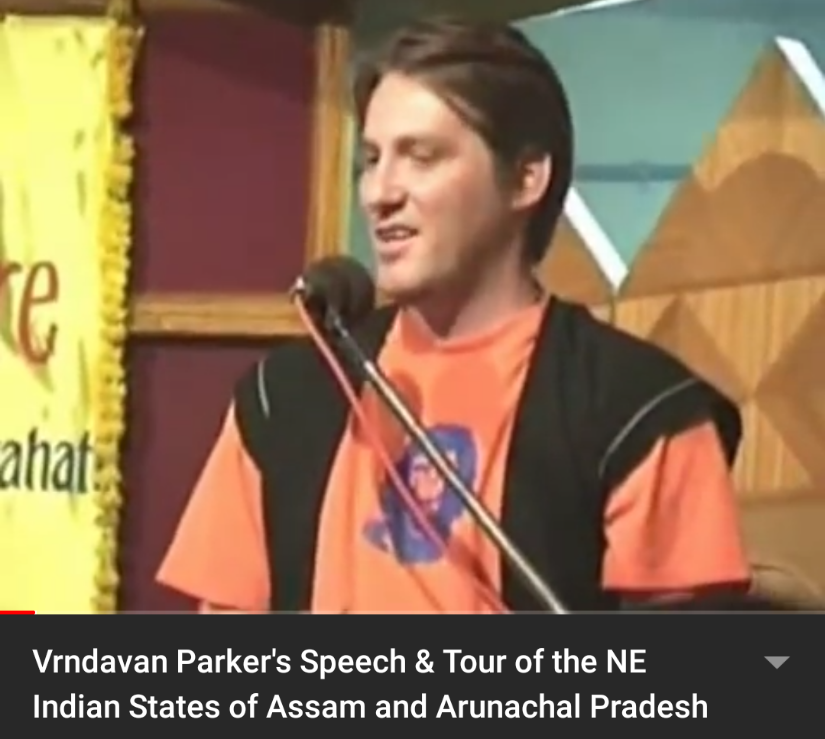
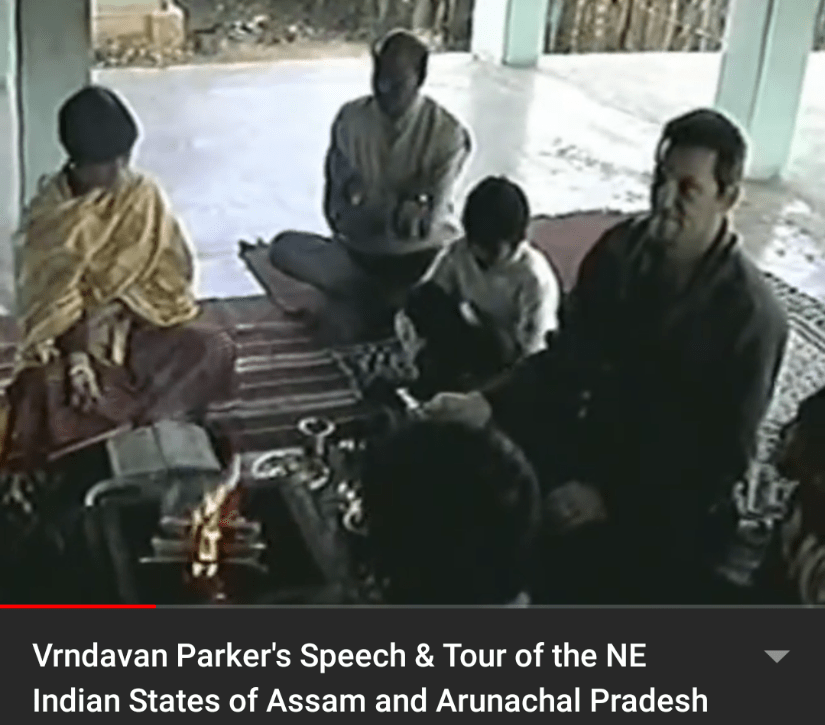
Brannon Parker 2nd lecture and tour of the States of NE India. He highlights that the Indigenous Faiths of India are Valuable and Authentic. He also differentiates the teachings of Jesus Christ from the Aggressive Proselytizing tactics of today’s ‘Christians’. Today many Christians and others of faith have failed to recognize their own God within the Indigenous World’s sacred traditions. Thus turmoil ensues. Parker also points out that unlike other major religions Hinduism does not attempt to supplant and devalue the Tribal Faith Traditions.
Recognizing that Indigenous Faith and Culture are synonymous and the two cannot be separated, India’s indigenous activists recognize the sacred at the roots of all life. It is this concept that has maintained the environmental and social equilibrium of India for thousands of years. When people forget the underlying spiritual foundation of life and become disconnected from their roots, social and cultural atrophy develops.
Thus today we find that the Pyramids of Egypt are there yet the religion and culture of the pyramid builders has disappeared from the face of the earth. The Grand relics of Greece remain yet the religion which inspired these structures now stands extinct. The magnificent structures of Mexico, Peru, Africa, China and elsewhere now only remain as Museum spectacles.
It is primarily India alone that has preserved both the grand structures and the traditions of the Ancients. Yet today in India the effort to preserve and enhance the ways of the ancestors has been met with stiff resistance. Hostility reigns as Traditionalists are labeled as fundamentalists and backward reprobates and obstacles to progress.
Over the years Vrndavan Parker has traveled India in order to inspire and inform the natives of the value of their own cultures and traditions. Recognizing that the same tragedy which engulfed the Natives of the Americas, Australia, Africa etc. he, along with other activists has made a stand to support those confronted by the ongoing Cultural Genocide of Native India.
Vibrant Culture is based on Faith and a direct recognition of the Spiritual and Devotional component. Thus by reinforcing the faith and traditions of Indigenous India, it is not Indian society alone that benefits, but rather the entire world is benefited.
Nor should one ignore recent Russian studies of Tibet and the Kailas range in particular, the results of which, if true, could radically alter our thinking on the growth of civilizations. One of the ideas the Russians have put forward is that Mt. Kailas could be a vast, human-built pyramid, the centre of an entire complex of smaller pyramids, a hundred in total. This complex, moreover, might be the centre of a world–wide system connecting other monuments or sites where paranormal phenomena have been observed. It is difficult to explain all the available information in a short article for UN Special
Questions… Enigma… Mysteries… By Evelina Rioukina, UNECE
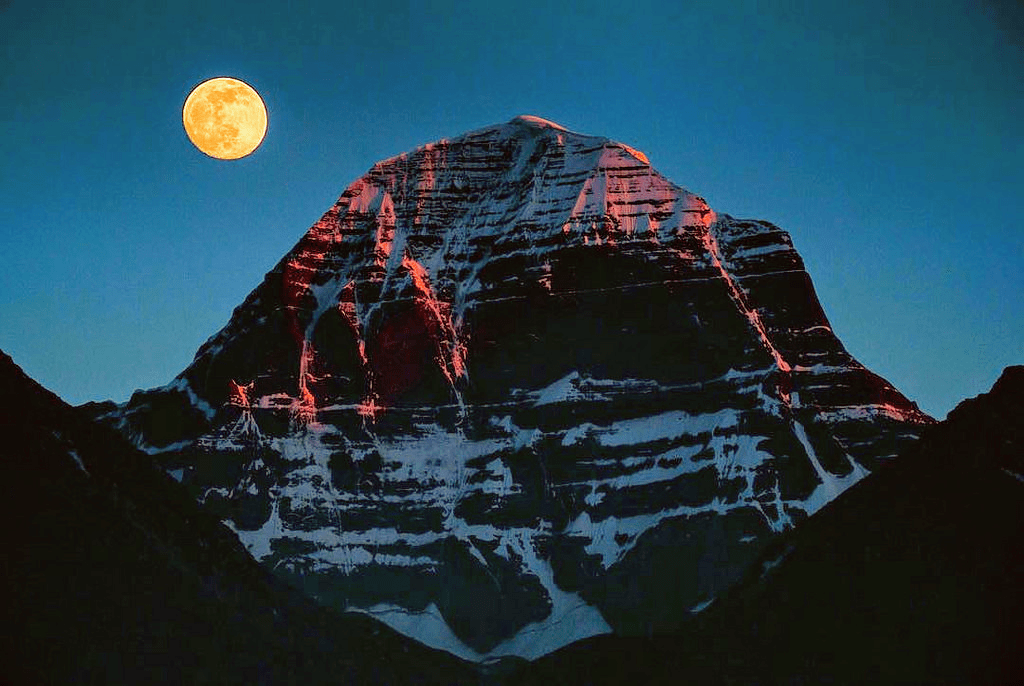
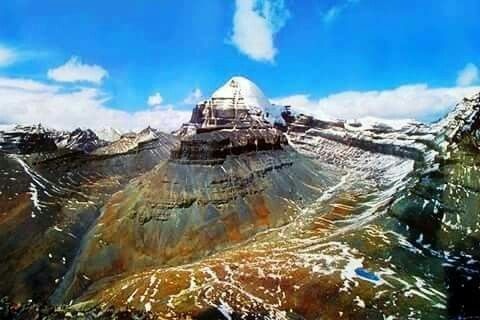
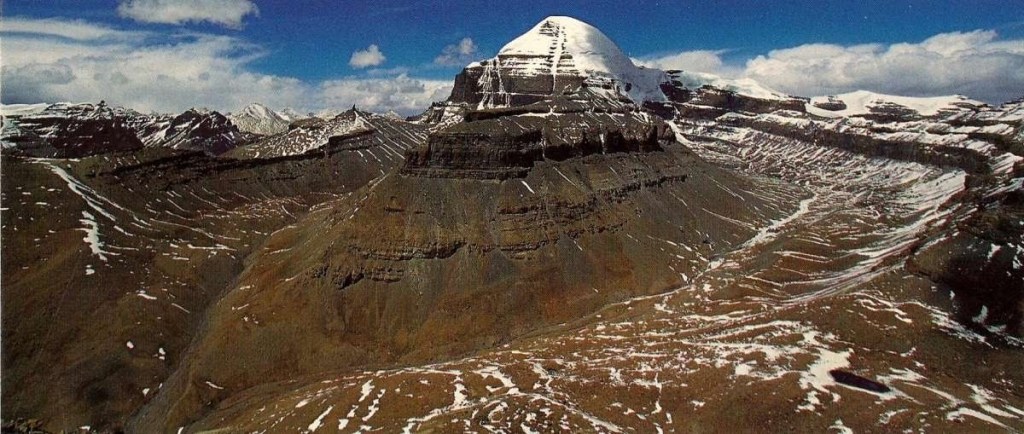
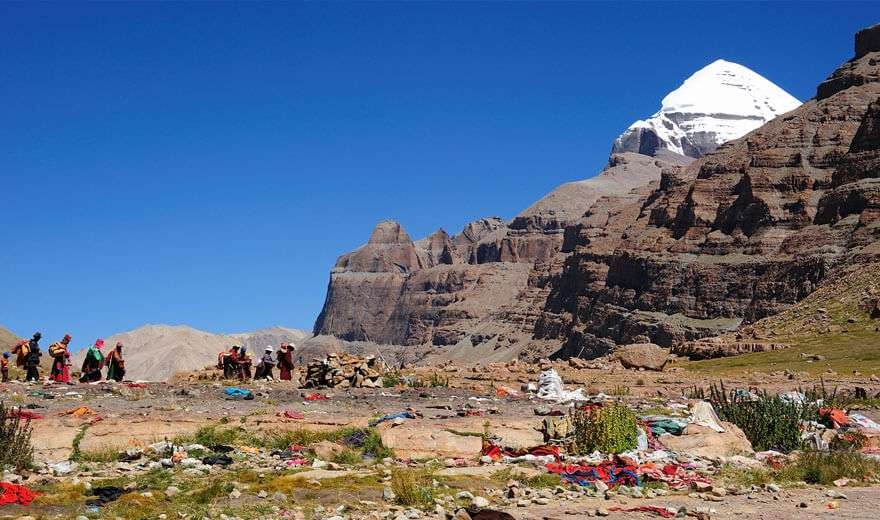
The Axis Mundi, the centre of the universe, the navel of the world, the world pillar, Kang Tisé or Kang Rinpoche (the ‘Precious Jewel of Snow’ in Tibetan), Meru (or Sumeru), Swastika Mountain, Mt. Astapada, Mt. Kangrinboge (the Chinese name) – all these names, real or legendary, belong to one of the holiest and most mysterious mounptains in the world – Mount Kailash. Both geography and mythology play roles in the sacred significance of Mount Kailas. This holy mountain rises to an altitude of 6714 meters.
It cannot compete with peaks in the nearby Himalayan range, which includes Mount Everest, and its grandeur lies not in height but in its distinct shape – four sheer faces marking the cardinal points of the compass – and its solitary location, free of neighboring mountains that might dwarf or obscure it. Mt. Kailas is regarded as the earthly manifestation of the Hindus’ mythic Mount Meru, or Sumeru, the spiritual center of the universe, the axis mundi in Buddhist and Jain as well as Hindu cosmology. The area around this great mountain is the source of four life-giving rivers; the Indus, Brahmaputra, Surlej and Karnali, which is a major tributary of India’s sacred Ganges, begin here.
To further enhance the symbolic mysticism of the mountain as a sacred place, two lakes are situated at the base of the mountain. The higher lake Manasarovar (one of the highest freshwater lakes in the world), is the sacred lake, and is round like the sun. The lower lake Rakhast Tal (one of the highest salt-water lakes) is the devil’s lake and has the shape of the crescent moon. The two lakes represent solar and lunar forces, good and negative energies respectively.
To Tibetan Buddhists, Kailas is the abode of the tantric meditational deity Demchog. Hindus see Kailas as the throne of the great god Shiva, one of their most significant deities. Jains revere Kailas as the site at which their first prophet received enlightenment. Buddhist, Hindu and Jain pilgrims from the world over go to this holy mountain to circumambulate. Climbing Mount Kailas is forbidden (the only person to have ever been atop the sacred mountain is Milarepa, a 11th century Tibetan Buddhist yogi).
Long before Buddhism took root in Tibet in the 7th century Kailas was venerated by the adherents of the Bön (or Bonpos or Bönpos), the indigenous, religion of the region who maintained that the mystic region around Mt. Kailas and the Nine-Story Swastika Mountain was the seat of all power. When viewed from the south face, a swastika can indeed be seen.
According to Bön accounts, while the circumambulation is made (anticlockwise, whereas followers of the other religion walk in the clockwise direction) 18 powerful and enlightened teachers will appear in this eon including Tnpa Shenrab, the most powerful of them, the founder of the Bön religion. He is said to have been born in the mythical land of Olmo Lung Ring, whose location remains something of a mystery. The land is traditionally described as dominated by Mount Yungdrung Gu-tzeg (edifice of nine swastikas), which many identify as Mount Kailash.
Legends of a mythic land were spread throughout the centuries and became of interest to philosophers, adventurers, theologists and even… political leaders! It received many names: Shambhala, Shangri-La, etc., and many locations have been suggested: the Tibet plateau, the Gobi desert, the Altai, but the Mount Kailas range is most frequently named. The poem by Frank Scassellatii below best describes the curious mixture of past and present, mysticism and reality:
“There Lies a World Hidden, Mysterious, unknown, and forbidden.Where dwell entities with technologies beyond our comprehension, And knowledge kept hidden from us, in this other dimension.Will the truth ever be revealed? Earthly forces of power and greed forever sealed, Forbidden knowledge for warfare to wield. When humankind understands,To use the knowledge acquired from these strange lands.For the benefit of humankind, Then entrance into their world we will find.”
The interest has been universal. Tsar Nikolai Romanov had some connection with Tibet through the monk Badmaev, who was himself closely associated with a highly placed Tibetan, the lama Agvan Dordzhiyev, tutor and confidant of the 13th Dalai Lama. Dordzhiyev equated Russia with the coming Kingdom of Shambhala anticipated in the Kalachakra texts of Tibetan Buddhism. The lama opened the first Buddhist temple in Europe, in St. Petersburg, significantly dedicated to Kalachakra teaching. One of the Russian artists who worked on the St.Petersburg temple was Nicholas Roerich, who had been introduced by Dordzhiyev to the legend of Shambhala and to eastern thought. George Gurdjieff, another mystic who had some impact on Western thought, knew Prince Ukhtomsky, Badmaev, and Dordzhiyev. Gurdjieff was accused by the British of being a Russian spy in Central Asia, a pupil of the mysterious Tibetans. Even Marx had contacts with Tibetan lamas as did Lenin who met some of them in Switzerland.
Mountain Kailash
What were these people interested in and what attracted them to Tibet? The beauty of the mountains or the mysticism? The desire to find the remains of lost civilizations or the desire to learn how to acquire extreme power so as to govern the world? Not only contacts with lamas, but even expeditions were organised in this area.
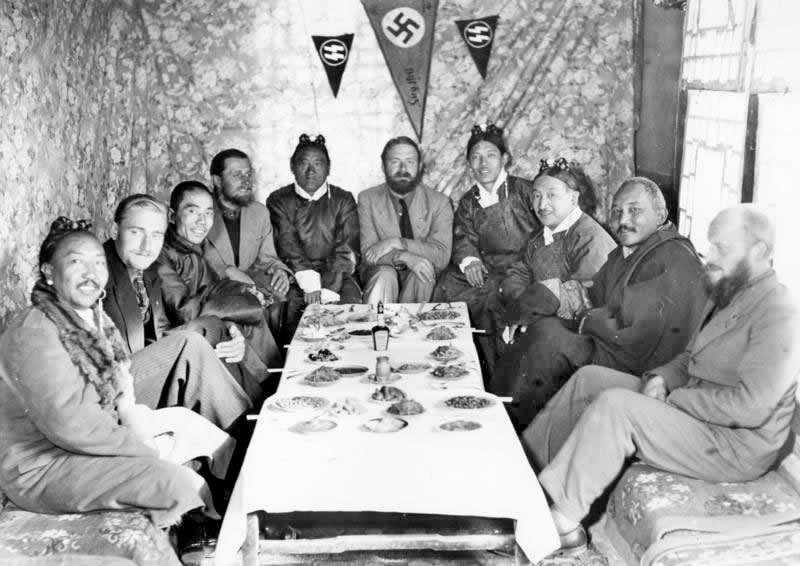
What, for example, brought about the odd juxtaposition of Tibetan lamas and German SS officers on the eve of World War II? The search for lost remnants of an imagined Aryan race hidden somewhere on the Tibetan plateau? Or some other reason? It is known that Nazi leaders such as Heinrich Himmler believed that River might harbour the last of the original Aryan tribes, the legendary forefathers of what was considered the German race whose Aryan leaders were supposed to possess supernatural powers that the Nazis thought they could use to conquer the world. Ideas about an Aryan or master race began to appear in the popular media in the late nineteenth century.
In the 1890s, E. B. Lytton, a Rosicrucian, wrote a best-selling novel around the idea of a cosmic energy (particularly strong in the female sex), which he called «Vril.» Later he wrote of a Vril society, consisting of a race of super-beings that would emerge from their underground hidingplaces to rule the world. The Vril Society claimed to have links to Tibetan masters, apparently drawing on the ideas of Madame Blavatsky, the theosophist, who supported the existence of super-beings in a mystic land which she described in such well-known works as the Secret Doctrine. She claimed to be in telepathic contact with spiritual masters in Tibet and confirmed that she was receiving this information from them.
Nikolai Roerich went to the region of Tibet where he spent several years. Depending on the source, the reasons for his mission vary, from purely botanic studies in the region of the Gobi desert on behalf of the US Government to political and spiritual. He may have been inspired by Kalachakra teaching and legends of Shambhala while working at the painting of St.Petersburg temple, described above. His painting “The Path to Kailas” can be seen in the New York museum dedicated to his work. He devoted many years to the search for this mystic land.
Many of these people were ready to believe in the existence of the super-natural in whatever form – higher intelligence, power, or energy. This interest remains strong to this day in many countries, to find this axis mundi, the most powerful place, the highest power, or the hidden intelligence in whatever form it exists, if indeed it does.
Nor should one ignore recent Russian studies of Tibet and the Kailas range in particular, the results of which, if true, could radically alter our thinking on the growth of civilizations. One of the ideas the Russians have put forward is that Mt. Kailas could be a vast, human-built pyramid, the centre of an entire complex of smaller pyramids, a hundred in total. This complex, moreover, might be the centre of a world–wide system connecting other monuments or sites where paranormal phenomena have been observed.
It is difficult to explain all the available information in a short article for UN Special. I have copied in the photo below the pyramidal complex as proposed by the Russians. The idea of the pyramid in this region is not new. It goes back to the timeless Sanskrit epic of the Ramayana. Since then, numerous travellers, especially in the beginning of the 20th century, have expressed the view that Mt.Kailas is too perfect to be a totally natural phenomenon, or at any rate give the appearance of human intervention.
For example: In shape it (Mount Kailas) resembles a vast cathedral… the sides of the mountain are perpendicular and fall sheer for hundreds of feet, the strata horizontal, the layers of stone varying slightly in colour, and the dividing lines showing up clear and distinct…… which give to the entire mountain the appearance of having been built by giant hands, of huge blocks of reddish stone. (G.C. Rawling, The Great Plateau, London, 1905). However, it is only fair to add that the Russian claims to have discovered in the Mt.Kailas area the highest ever human-built pyramids were denied three years later by Chinese scientists in the official Chinese Press.
Mount Kailash
Of human construction or not, Mt. Kailas is one of the most mysterious, secret and at the same time one of the most holy and sacred mountains of Asia, if not of the world) the circumambulation of which has for many centuries or possibly many millennia remained a vital pilgrimage, symbolising the life’s stages of death, purification and rebirth. Buddhists and Jains refer to the circumambulation as khora, Hindus as parikrama. A single circumambulation equals one turn of the Wheel of Life and will wipe away the sins of one’s life, twelve circumambulations will purify one’s karma for all past and future lives, enlightenment is attained after 108. Even one khora presents an extremely difficult task since the mountain is difficult of access and dangerous.
Dangers or not, some of us may dream of discovering for ourselves what there is to be seen on this mountain. Pending this adventure, I decided to speak to some of the few people who have circumambulated the mountain and recorded their personal experiences, to ask for their records and to interview them. Their replies are the subject of one of the next issues of UNSpecial! January-August 2004
(With deep thanks to Mr. Wolf Scott, former Deputy Director of UNRISD, for helping me to systematise and to structure very complicated material resulted from many months of research and studies of numerous sources and private archives
The voice crying in the wilderness, is it heard by anyone? If heard does it resonate or have any effect? When it comes to the truth it certainly does.
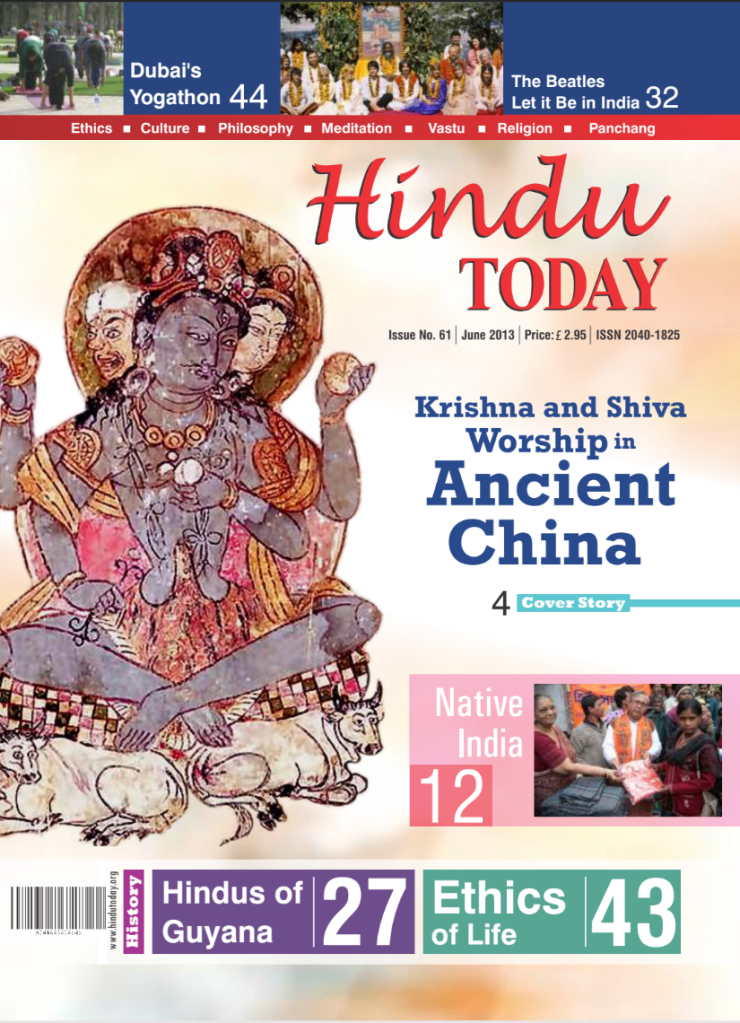
In June 2013, the UK based Hindu Today magazine published the article “Krishna and Shiva Worship in Ancient China”. (I was officially US editor and was tasked with approving final layout, design and all articles from non-UK based writers.)
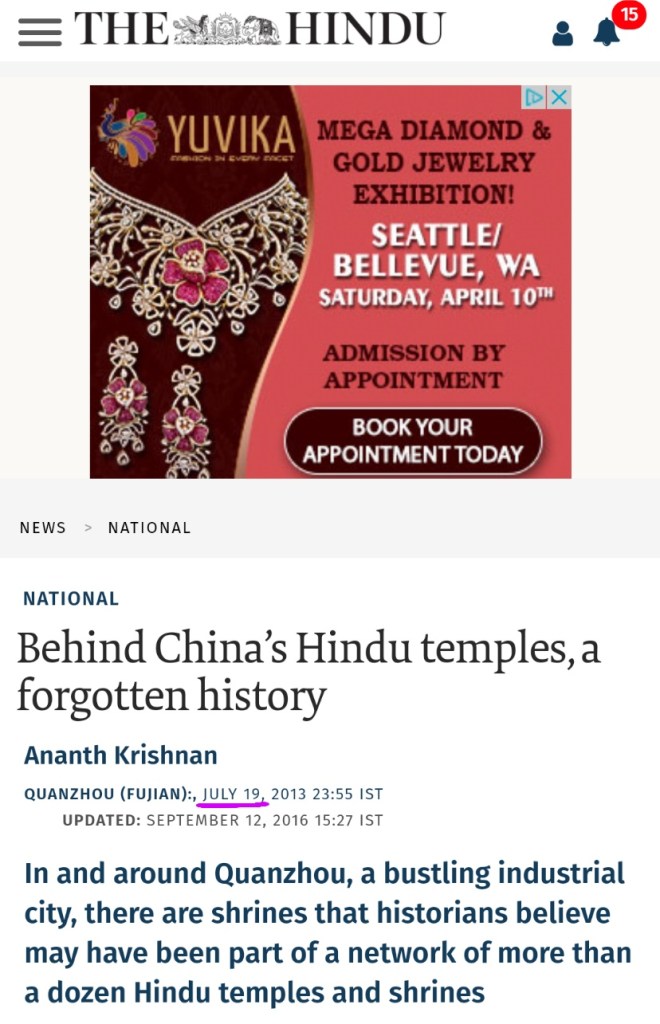
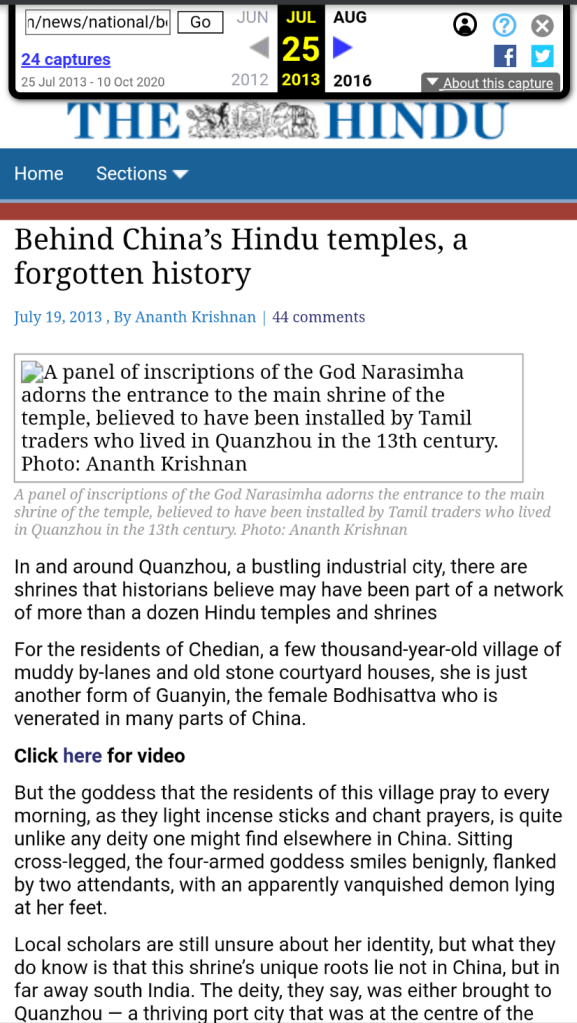
One month after the article was published…In July 2013, The Hindu Newspaper, one of India’s oldest and prominent news outlets, (mainstream secular paper despite Hindu name) published an article called “Behind China’s Hindu temples, a forgotten history”
Despite direct access to the ancient artifacts and the interest and cooperation of local experts, the Hindu News editorial staff chose to obscure the details of the discoveries.
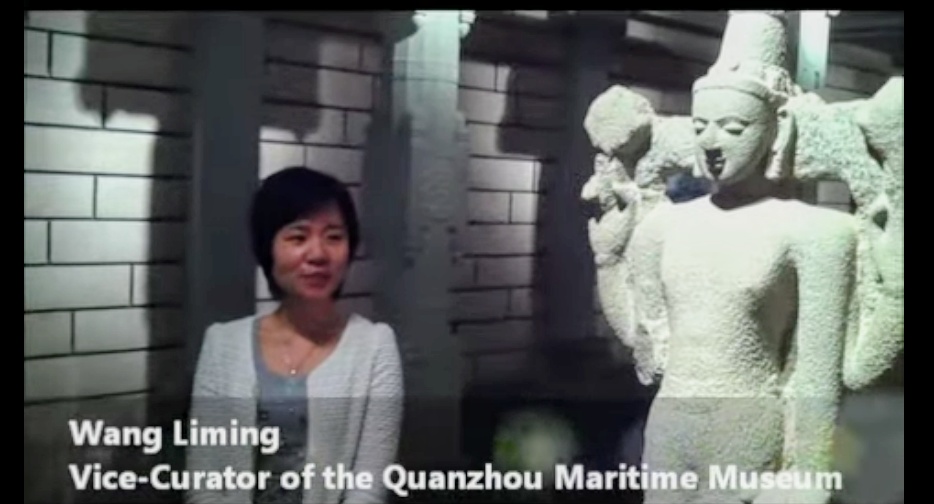
The Hindu also produced a short informative video as well. Behind China’s Hindu temples, a forgotten history. It features the Narasimha panel at the Kaiyuan Temple, (without actually showing it.) Interestingly, the caretaker, Huang Yishan, describes Narasimha as a symbol of ‘Man’s Wisdom and the Lion’s Courage.’
Vid Screen cap
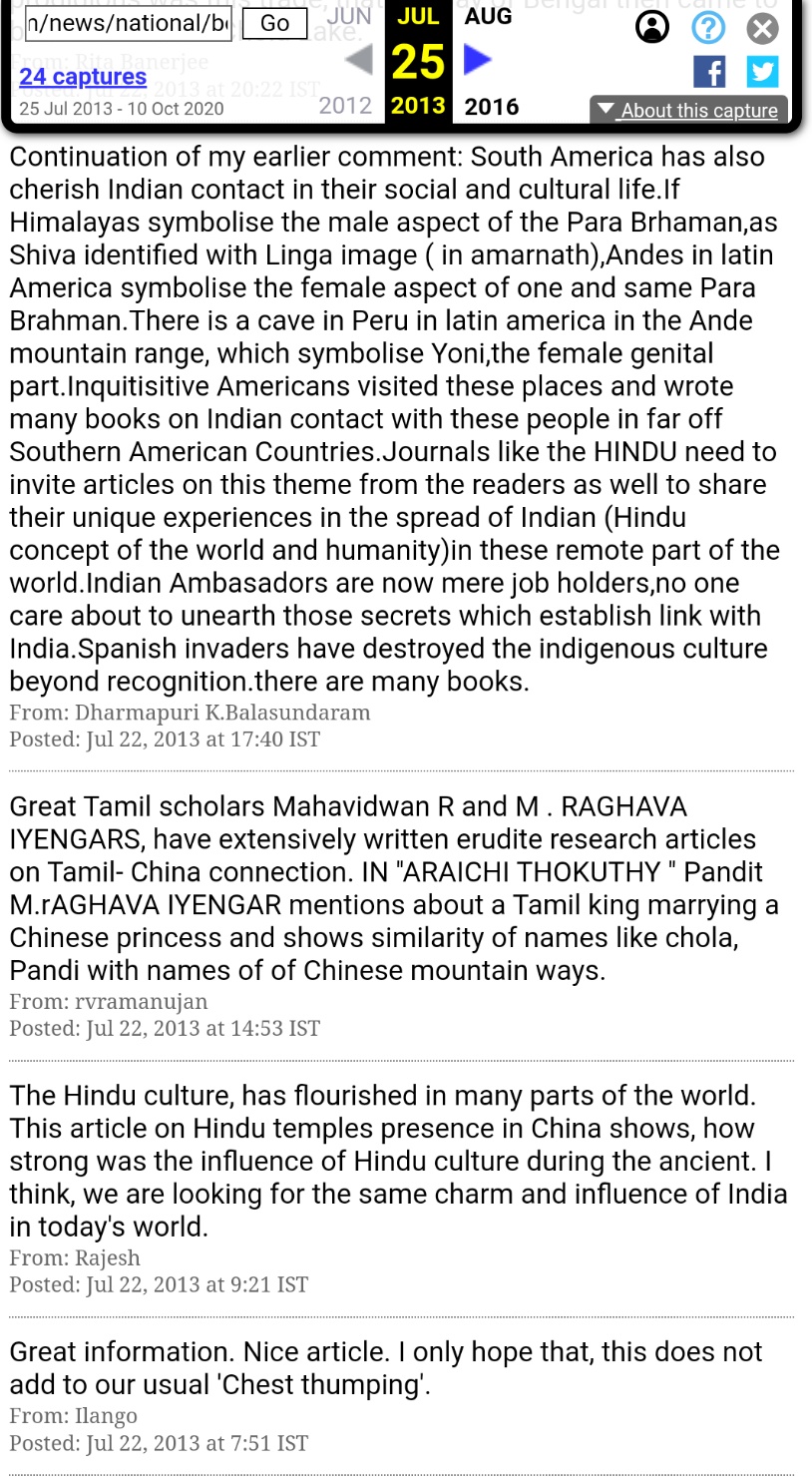
The article originally featured the author”s photograph of the Narasimha carvings. This was removed however in an updated 2016 version. Even more telling is the fact they do not actually show the Narasimha panel in the video, despite interviewing a man about the panel, as hes literally standing right in front of it!
The Hindu editorial staff decided to publish the article, make a video about it yet never actually show the artifact, and then remove the picture of the Narasimha sculpture highlighted in the article. They also obscured the panels featuring childhood Krishna’s Vrindavan lila as “mythological stories related to Vishnu.” In fact these panels were totally ignored. As if ancient Chinese Krishna carvings are not of intense interest to a country of 700 million Krishna worshippers! They removed all the very informative comments as well.
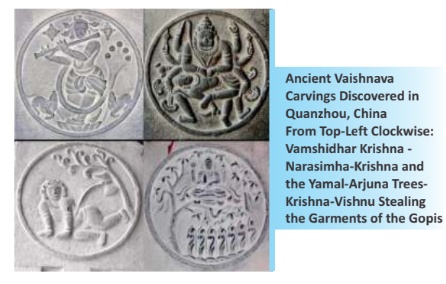
Panels featuring Narasimha and Child Krishna that The Hindu Newspaper refused to share
So why remove the only photo highlighting the very focus of the article? Why totally ignore the rarest and most unique artifacts, the Child Krishna panels? Why remove thought provoking inspired comments (sample added below) that prove the public’s interest?
That is a huge topic but it’s done for the same reason that most ancient statues, icons or paintings of Blue Divinities are generally obscured and ignored. The agenda? Keep the true history of Humanity’s shared heritage hidden from the people of the world.
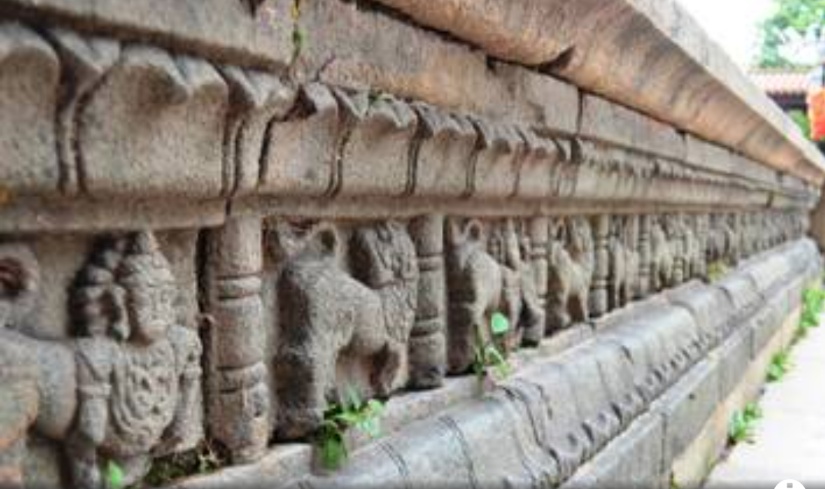
The updated version of the article features this image yet no updated caption is provided. However the left side features a centaur-like Vanara. In Sanskrit both Vanara and Kinnara translate as a question, “Is it (hu)man?” Kinnaras are often depicted in Vedic/Buddhist art. Did the Chinese sculptures confuse the words Vanara and Kinnara? Is there another example of a half lion half Vanara creature? Original 2013 Version of the Hindu article
“The courage to enter discussions to test one’s own viewpoint with the sole objective of honing the truth, which is the emblem of first-class discourse, seems no longer the standard. This was not always the case. There is an Indian philosophy called Nyāya, the school of logic, where a standard for quality discourse was promoted. That standard was called vāda, where those with a particular conviction are encouraged to put forth their best arguments, not to seek victory over other ideas, but to do so with detachment and aimed only at discovering the truth.”
Unfortunately, the debate I see going on today in practically all spheres—and certainly in this life-and-death matter of vaccination—is not a search for truth, but a focus on justifying one’s own strongly held beliefs, which are often based on one’s attachments.
Discussion has therefore degraded to the two lower standards of public discourse that the school of Nyāya sought to discourage: jalpa, seeking victory even by resorting to fallacies and distortions; and vitaṇḍā, or the attempt to simply destroy one’s opposition without even bothering to offer a reasonable alternative. Perhaps we have become even worse, since these days we too often refuse to engage in discourse with those who oppose us and instead justify censoring others’ views.
Whom can we trust? How can we make educated decisions? Source: Dhanurdhara Swami
I created the PowerPoint Presentation below back in June 2009. It was presented at the Los Angeles Masonic Lodge for the 2009 Kuli Mela Gurukula Reunion.
Auto Play is set for 10 sec or Click Page Numbers to View at your Leisure
After I finished my talk on the Winged Disc, I went up to the lounge. 1st thing I saw was the Winged Disc above the fireplace. Quite a validating moment indeed!
This same Divinity is the very same Ra-Harakhty who is also named Heru. We know the names from the many inscriptions left by the ancient Egyptians. When we see names like Heru, Horus, Harakhty, Aten, Amun, we can only be sure of the consonants and all merely guess at the pronunciation of the vowels. Therefore HR and Heru may just as well be Hari or Hara. Modern scholars merely speculate that the Egyptian Supreme God identified by the letters HR was pronounced Heru or Hor.
Thus surely the ancient, vibrant and ongoing Vedic-Hindu traditional names of Hari or Hara can be reasonably applied. Since HR and Hari are both Blue, accompanied by Eagles and Serpents and share the same exact attributes, clearly they are the same One Supreme Godhead.
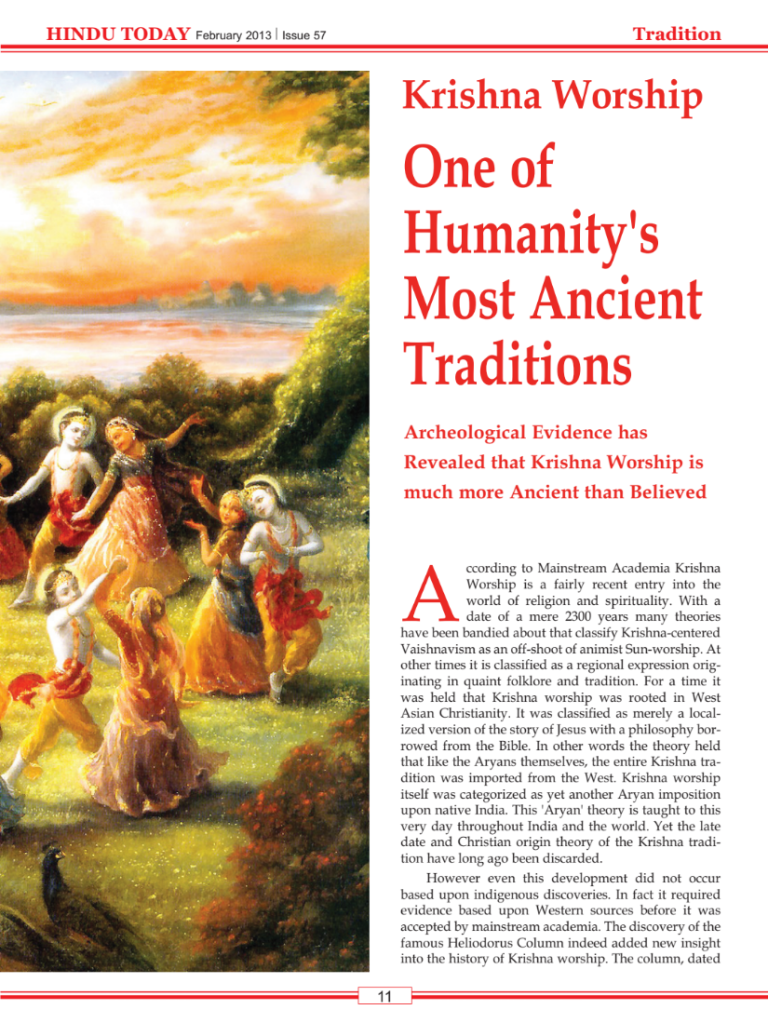
Archeological Evidence has Revealed that Krishna Worship is much more Ancient than Believed
According to mainstream Academia, Krishna Worship is a fairly recent entry into the world of religion and spirituality. With a date of a mere 2300 years many theories have been bandied about that classify Krishna-centered Vaishnavism as an off-shoot of animist Sun-worship. At other times it is classified as a regional expression originating in quaint folklore and tradition. For a time it was held that Krishna worship was rooted in West Asian Christianity. It was classified as merely a localized version of the story of Jesus with a philosophy borrowed from the Bible.
In other words the theory held that like the Aryans themselves, the entire Krishna tradition was imported from the West. Krishna worship itself was categorized as yet another Aryan imposition upon native India. This ‘Aryan’ theory is taught to this very day throughout India and the world. Yet the late date and Christian origin theory of the Krishna tradition have long ago been discarded.
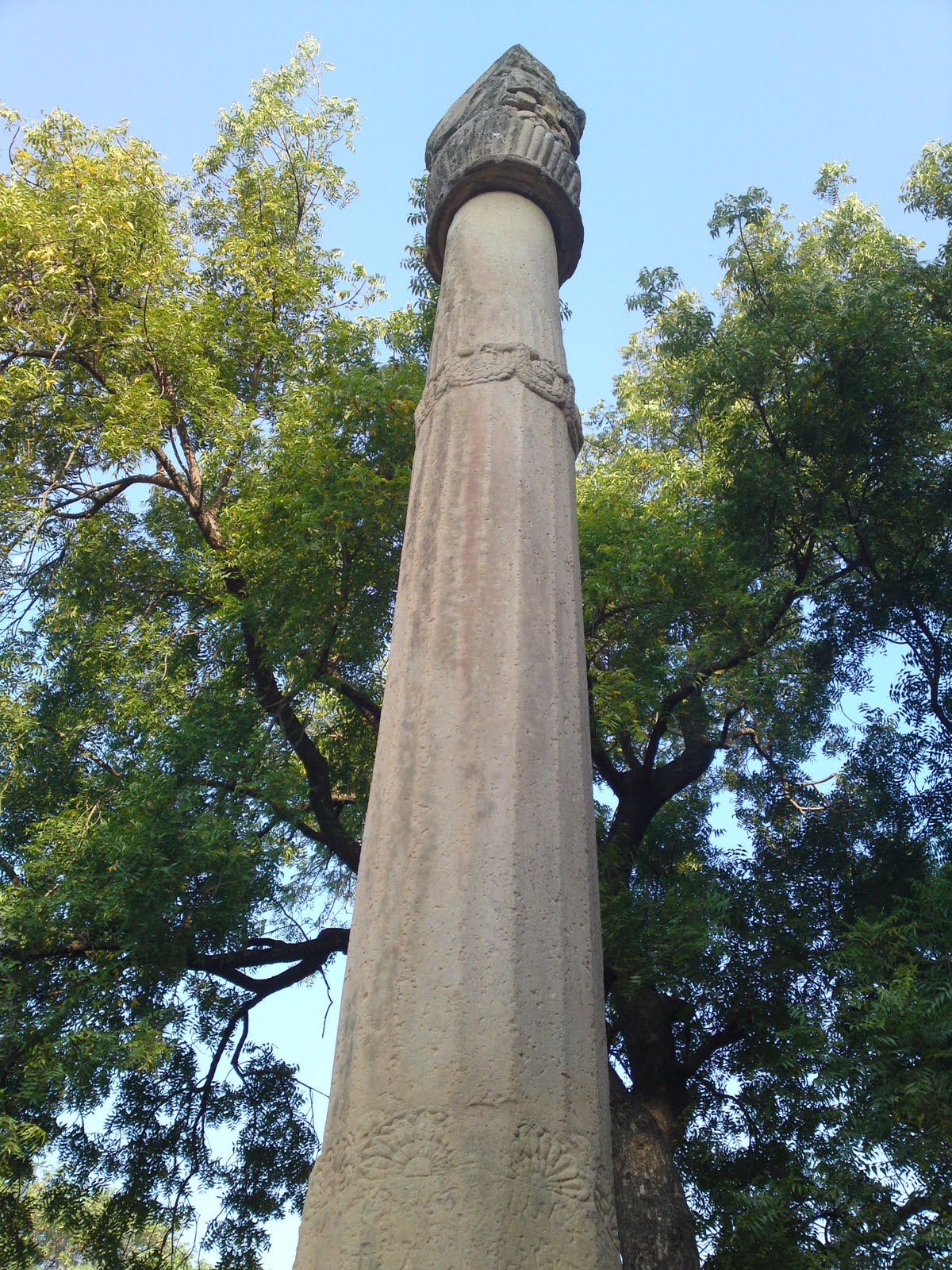
However even this development did not occur based upon indigenous discoveries. In fact it required evidence based upon Western sources before it was accepted by mainstream academia. The discovery of the famous Heliodorus Column indeed added new insight into the history of Krishna worship. The column, dated to a period nearly 300 years before the advent of Jesus Christ, confirmed that Krishna was worshiped many centuries earlier than previously thought. On this column, Heliodorus, a Greek Ambassador identifies himself as a ‘Devotee of Vasudeva’ (Krishna).
Only once this discovery of a Greek adherent of Vaishnavism was made did it became accepted that Krishna worship was undoubtedly a pre-Christian development. Any similarities in philosophy or legend were attributed to other sources. The fact is because both traditions are rooted in devotion to the same God-the focus of both religions, there are indeed many commonalities between the two faiths.
In fact they are verily different expressions of the same faith. And Heliodorus himself clearly recognized his God, Helios, as Hari (Krishna). This is evident by the fact that he kept his Greek name rooted in Helios despite having become an initiate of the Vaishnava faith.
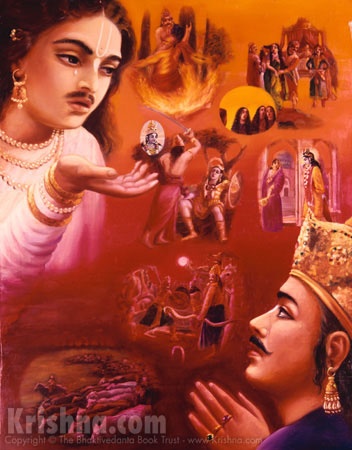
Arjuna and Yudhishthira Recalling Krishna’s Activities After His Departure from Earth
Based upon the discovery of the Heliodorus Column new dates were posited for the origins and era in which Krishna worship developed. However one date and location of this development has never been recognized by mainstream academia. That date is anything prior to 1500 BC and the place is India.
According to the non-traditional outlook Vedic religion is foreign to India and Krishna is part of the alleged ‘Aryan Imposition’ upon the native Dravidian culture of India. Thus worship of Krishna within India can never be accepted as being more than 3500 years old. This coincides with the invented date of the “Aryan Invasion or Migration” into India. In other words since Vaishnavism is part of the Caucasian Aryan culture there could be no Vishnu or Krishna worship in India until after the Aryan arrival. That is the theory still taught in schools and universities throughout the world.
Another theory, quite popular even amongst many Hindu traditionalists holds that Krishna worship is based upon the Puranas. They hold that, unlike the Vedas, the Puranas are recent inventions and are merely the artificial impositions of various Kings and Scholars bent upon the socio-political control of their societies .
The various stories regarding Lord Krishna found within the Bhagavat Purana are classified as “Pious Myths” and as very late fabrications. However the work of the scholar Horacio Arganis has clearly identified many key elements found within the text that date the Bhagavat Purana (Srimad Bhagavatam) to the Pre-Christian era. Full thesis can be found HERE
Regardless of the traditional perspective mainstream scholars hold that the text was completed around 1000 AD, when it is mentioned by al Biruni and quoted by Abhinavagupta; the earliest suggestions for its composition are dated to after 500 AD. Again we find that a date is assigned and accepted only when it is in connection to a foreign observer.
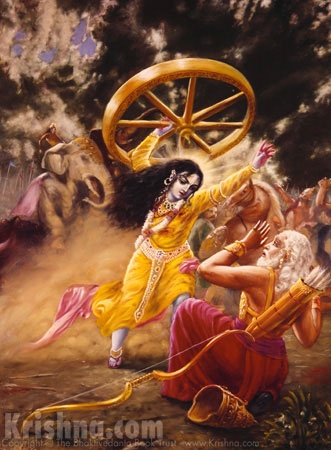
Lord Krishna Attacks Bhishma with a Wheel
However solid archeological evidence has indeed been discovered which proves that the worship of Lord Krishna pre-dates both the alleged Aryan arrival into India and the very late dates given for the composition of the Bhagavat Purana. Though this evidence has long been ignored it does not change the historical reality that Krishna was known and worshiped within India for many thousands of years.
Cave paintings dated to 800 BC in Mirzapur, Uttar Pradesh, North India, show raiding horse-charioteers, one of whom is about to hurl a wheel, and who could potentially be identified as Krishna.” D. D. Kosambi (1962), Myth and Reality: Studies in the Formation of Indian Culture, New Delhi, CHAPTER I: SOCIAL AND ECONOMIC ASPECTS OF THE BHAGAVAD-GITA, paragraph 1.16
This date above of 800 BC still places Krishna worship to a time after the 1500 BC date of the alleged Aryan arrival yet it does predate the very late date (1000 AD) of the Krishna of the Bhagavat Purana.
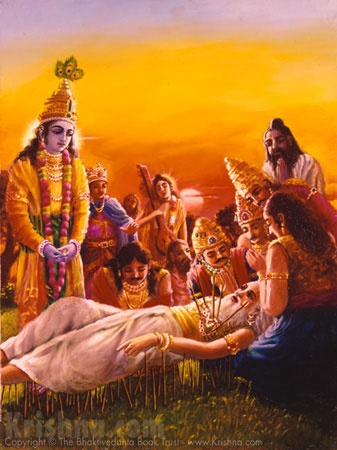
Lord Krishna and the Death of Bhishma
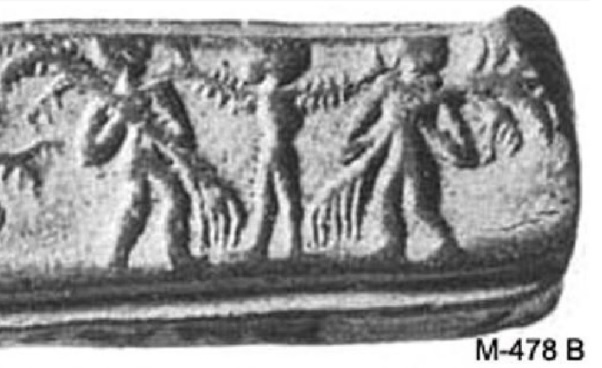
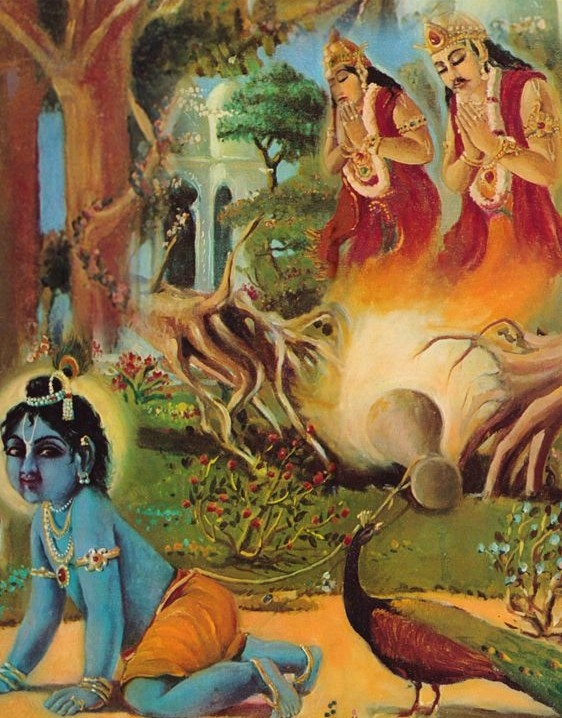
Another discovery made in 1931 provides a very ancient date the precedes the alleged Aryan arrival into India and significantly represents an episode from Krishna’s Vrindavan Lila.
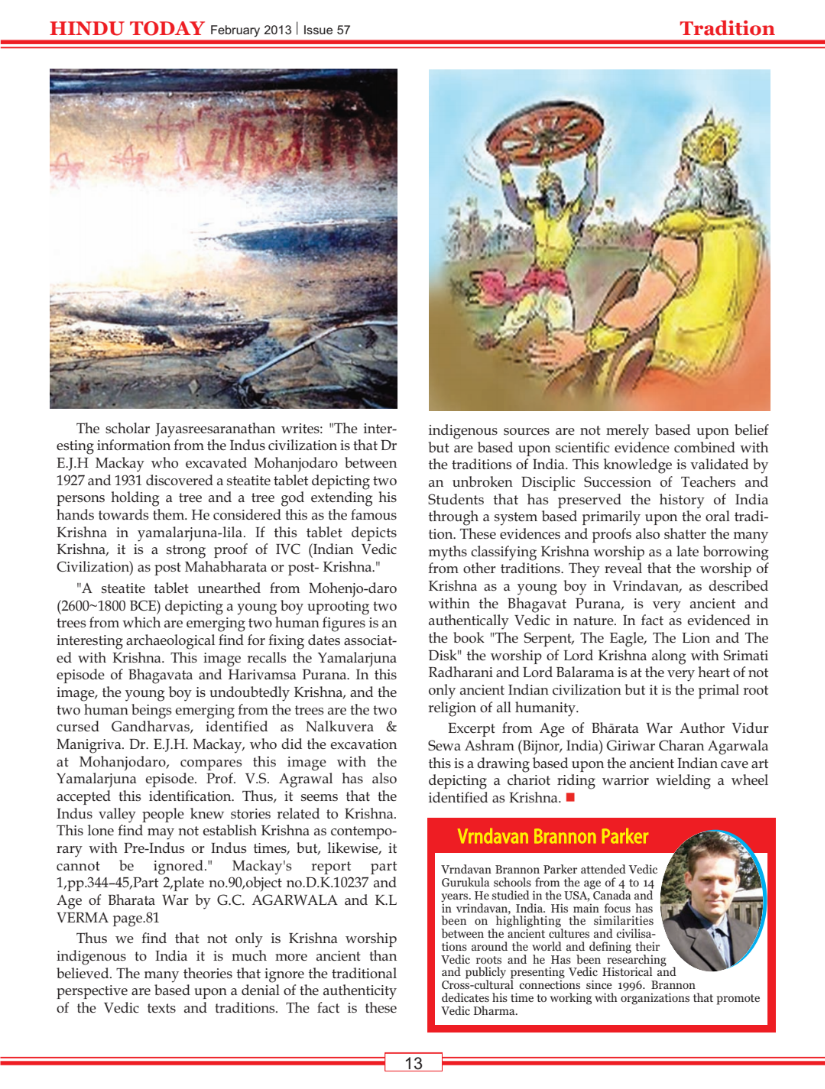
The scholar Jayasreesaranathan writes: “The interesting information from the Indus civilization is that Dr E.J.H Mackay who excavated Mohanjodaro between 1927 and 1931 discovered a steatite tablet depicting two persons holding a tree and a tree god extending his hands towards them. He considered this as the famous Krishna in yamalarjuna-lila. If this tablet depicts Krishna, it is a strong proof of IVC (Indian Vedic Civilization) as post Mahabharata or post- Krishna.”
“A steatite tablet unearthed from Mohenjo-daro (2600~1800 BCE) depicting a young boy uprooting two trees from which are emerging two human figures is an interesting archaeological find for fixing dates associated with Krishna. This image recalls the Yamalarjuna episode of Bhagavata and Harivamsa Purana. In this image, the young boy is undoubtedly Krishna, and the two human beings emerging from the trees are the two cursed Gandharvas, identified as Nalkuvera & Manigriva. Dr. E.J.H. Mackay, who did the excavation at Mohanjodaro, compares this image with the Yamalarjuna episode. Prof. V.S. Agrawal has also accepted this identification.
Excerpt from Age of Bhārata War by G.C. AGARWALA and K.L VERMA page.81, Vidur Sewa Ashram (Bijnor, India) this is a drawing based upon the ancient Indian cave art depicting a chariot riding warrior wielding a wheel identified as Krishna.
Thus, it seems that the Indus valley people knew stories related to Krishna. This lone find may not establish Krishna as contemporary with Pre-Indus or Indus times, but, likewise, it cannot be ignored.” Mackay’s report part 1,pp.344–45,Part 2,plate no.90,object no.D.K.10237
Thus we find that not only is Krishna worship indigenous to India it is much more ancient than believed. The many theories that ignore the traditional perspective are based upon a denial of the authenticity of the Vedic texts and traditions. The fact is these indigenous sources are not merely based upon belief but are based upon scientific evidence combined with the traditions of India.
This knowledge is validated by an unbroken Disciplic Succession of Teachers and Students that has preserved the history of India through a system based primarily upon the oral tradition.
These evidences and proofs also shatter the many myths classifying Krishna worship as a late borrowing from other traditions. They reveal that the worship of Krishna as a young boy in Vrindavan, as described within the Bhagavat Purana, is very ancient and authentically Vedic in nature. In fact as evidenced in the book “The Serpent, The Eagle, The Lion and The Disk” the worship of Lord Krishna along with Srimati Radharani and Lord Balarama is at the very heart of not only ancient Indian civilization but it is the primal root religion of all humanity.
Ancient Rock Painting from Mirzpur, India Depicts Warriors in Battle (Kurukshetra?)
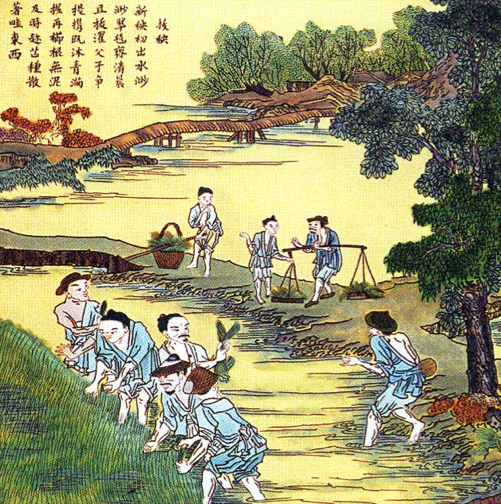
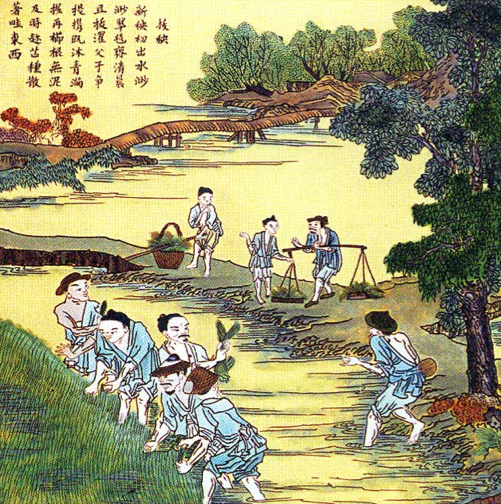
Vedic Culture in China predates the arrival of the Vedic Champa Kingdom’s gift of Rice to China. The same primordial Vedic imprints are there in both ancient China and Vietnam. Yet this Vietnamese rice didn’t reach China until 1000 years ago. This suggests that Vedic Culture was once Indigenous to both civilizations. ‘Champa Rice’ was originally introduced into Champa from Vietnam. It was later sent to China as a tribute gift from the Vedic Champa state during the reign of Emperor Zhenzong of Song (r997–1022). Champa rice is a quick-maturing, drought resistant rice that can allow two harvests, of sixty days each in only one growing season.
So what is the significance? Champa State was an ancient Vietnamese Hindu (Vedic) Kingdom whose capital was Indrapura (near the modern city of Da Nang) its last capital was called Panduranga (Modern Phan Rang). This Hindu Kingdom sent Champa Rice as a Tribute to the Chinese Emperor in the very late time period of 997-1022 AD.
The impact of this Champa Rice was substantial and completely Changed China’s agriculture and led to a population boom. In fact it was during the Song Dynasty Era that the Chinese Population increased to 100 Million after the introduction of Champa Rice to the Region. Despite the ongoing trade interaction between China and India it was not until only 1000 years ago that this Champa Rice reached China. Yet we find repeated and substantial examples of Vedic Culture at the core of Chinese society and culture that date back to the earliest phases of China’s recorded history.
As noted by the Ganshu China, Swastika funeral urn dated 2200-1800 BC. Seen Here.
CHARACTER TIAN FOR “FIELD”, A CROSS WITHIN A SQUARE, INSIDE A SWASTIKA, REPEATED 4 TIMES
MS in Chinese on red earthenware, Ganshu, China, ca.2200-1800 BC, 1 funeral urn, h. 32 cm, diam. 26 to10 cm, wide, near spherical corpus with vertical ringlugs at the middle, tapering to a base which is a little wider than the mouth, decorations in dark brown and light violet. Provenance: Cemetery, Ganshu, China (2200-1800 -); 2. Private collection, Ascona, Switzerland (1965-)
Commentary: From the Yangshao Neolitic period, representing the oldest Chinese pictograms/marks/characters next to the Banpo neolithic village pottery ca. 4000 BC, and about 700 years before the oracle bones (MSS 2103/1-7), which is the earliest Chinese continuos writing so far. SOURCE
While the Vedic cultural artifacts date back to the beginning of recorded history common items like rice took until 1000 years ago to make it from Vietnam to China. This is highly indicative of the indigenous presence of authentically Chinese Vedic culture that was not reliant on outside influences but upon the primal links to reality and to God at the center of all History.
Specifically the SE Asian regions of Indonesia, Vietnam, Thailand, Laos, Cambodia and Phillipines, the evidence reveals that the natives considered themselves to be just as much a part of Vedic civilization as the people of India.
Thus we see the greatest river in south east asia is called Me Kong or Ma Ganga. This is the primal name of the river, and it is still at the epicenter of SE asian civilization. It is not a new name given after they ‘converted’ to Hinduism.
None of these people, Including Indians called themselves Hindus. It is a foreign applied term based upon the Greek and Persian linguistic variations of the Sanskrit named River Sindhu. Today the term Hindu is the academic and legal definition applied to practitioners of religions rooted in the Vedic literature, rituals and sacred traditions.
This Vedic religion was surely once global for it is undoubtedly universal. Verily, True High Civilization is a direct gift from God. It is not the sole inheritance of any one group or society. It is eternal, undying and is directly correlated to societies connectivity to the source of all life.
As time passed, there was loss and cultural dilution. This combined with the outright hostility of later socio-political forces led to the virtual extinction of the many Vedic civilizations of the region.
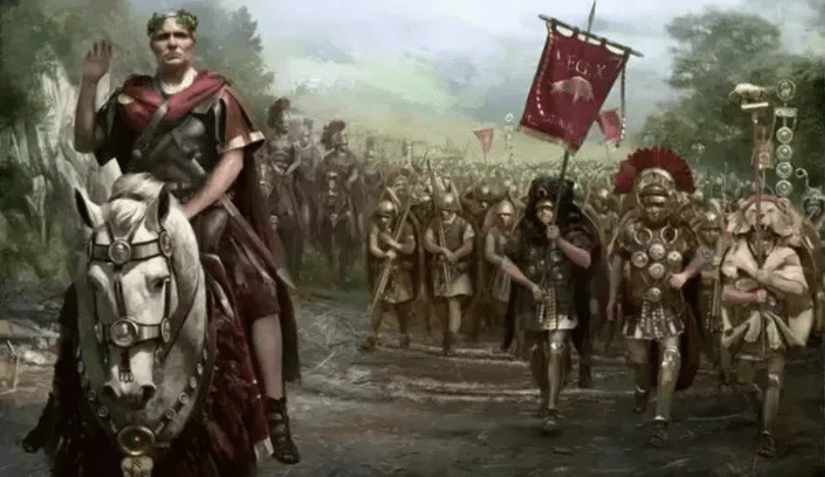
Veni, Vidi, Vici! ‘I Came, I Saw, I Conquered!’ Julius Caesar 47 BC
A brief look at these three Latin words reveals an obvious yet obscured phenomenon. Though Latin, this famous phrase of Julius Caesar’s is in fact almost Pure Sanskrit…
VIDI translated as ‘I Saw’. This is the Sanskrit word(s) VEDA/ VIDHI / VIDHYA. Meaning Knowledge, Truth, Understanding. And yes Vidi Veda are indeed related to the word Video.
Veni = Vani = Want
Vidi = Vedi = Verify
Vici = Vijai = Victory
VICI translated as ‘I Conquered’ is clearly the Sanskrit word VIJAYA / VIJAI meaning Victorious, Conquer, Triumphant.
VENI translated as “I Came’ finds a direct correlation with the Sanskrit word VANI meaning Want, Desire, Wish, Obtainment, all words that indicate a pursuit of a goal reaching something or somewhere.
Veni Vedi – Caesar Arrives and Comprehends Vici – Caesar Accepts Vercingetorix Surrender
As to why such primal Latin words are basically Sanskrit the answer is simple yet deep, for it is a vast subject.
The VERDict of the eVIDence is that VEDIC Sanskrit is VERIly found at the foundation of eVERY language spoken by humanity.
(Note: According to the rules of linguitics, the letters R &D are interchangeble I”ve therefore used Capitalized letters to emphasize the many English words like verdict, verily, verify that are derived from the Sanskrit word Veda.)
Test the VERAcity of this by ViSually noting this VERDICt whenever such words are used. They always refer to the truth and facts of a topic or situation.
And as we see, it is not English alone that has Sanskrit at its core. For Sanskrit is the oriiginal Mother Language, the hypothesized Nostratic proto-language spoken at the very dawn of human history.
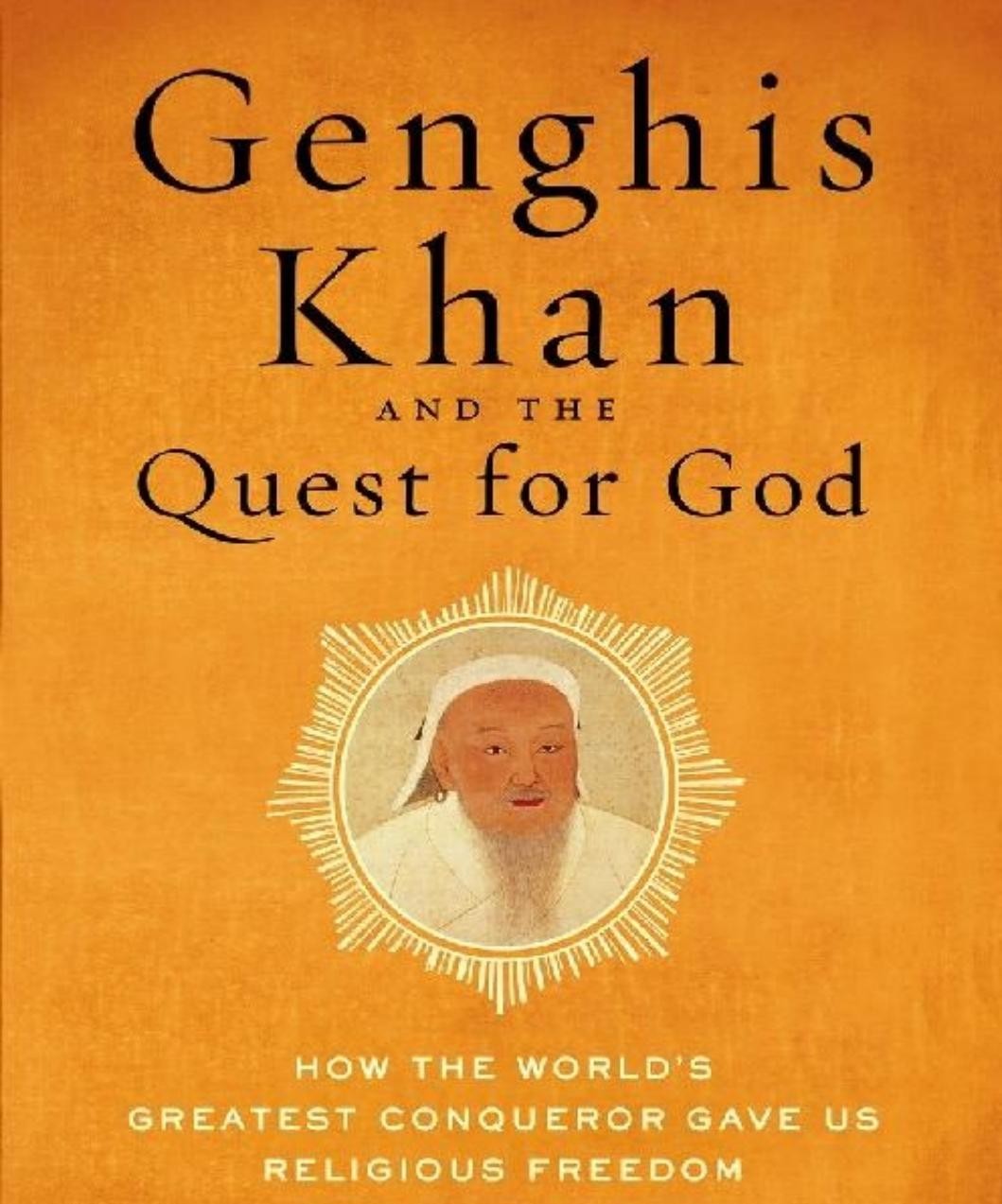
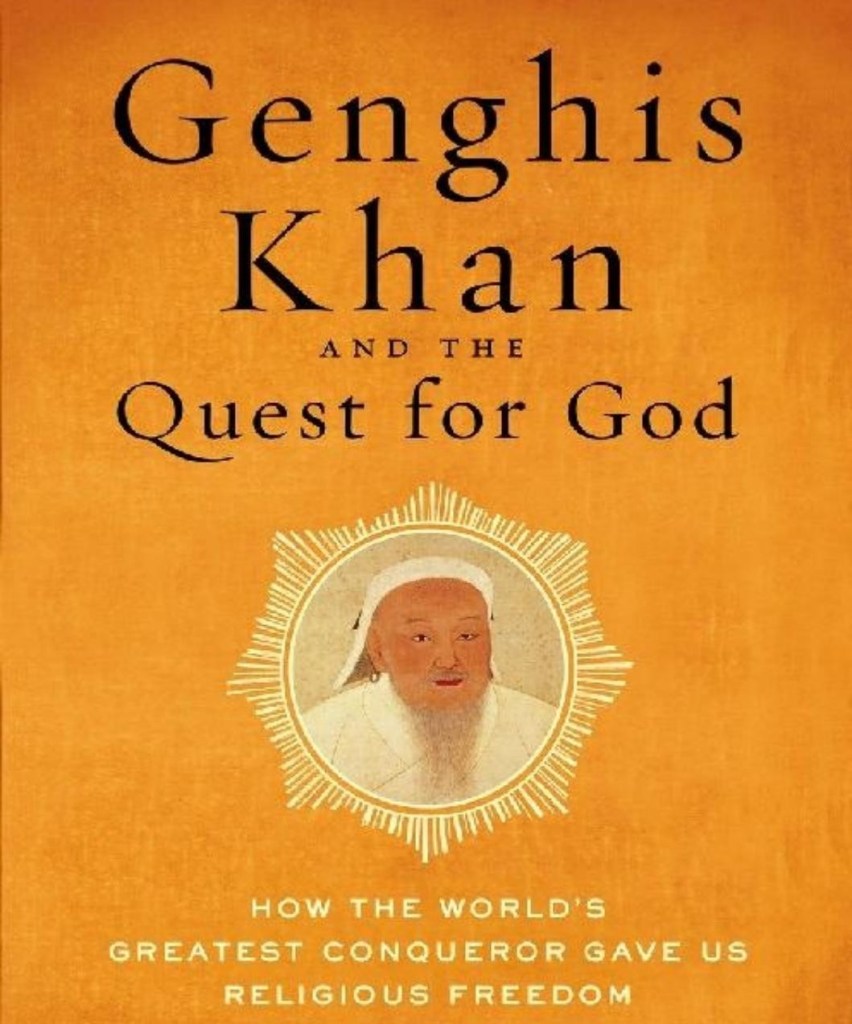
To clarify, the translation of Tengri into the words Sky and Heaven is innacurate. Tengri actually means God but academics and religious exclusive types intentionally translate Tengri into an animistic impersonal concept such as sky or heaven. It’s also part of the cover up that attempts to disconnect world traditions from their Vedic roots. The ambivalent Blue sky and a very personal Blue embodied divinity have no real commonalities beyond the color.
Fortunately, when applying the linguistic historical traditional and cultural contexts it is beyond doubt that Koke Mongke Tengri means Blue Eternal God. See quote from my book below clarifying this point
Yet scholars continue to falsely identify Tengrism as animistic sky-awed nature worship rather than the intensely personal and devotional faith tradition it truly is. In fact Tanri, (Tengri) is often used by Turkik Muslims as a name for Allah just as the name Allah is still used in prayer by Maltese Christians even today.























 History & Culture